
Aphids
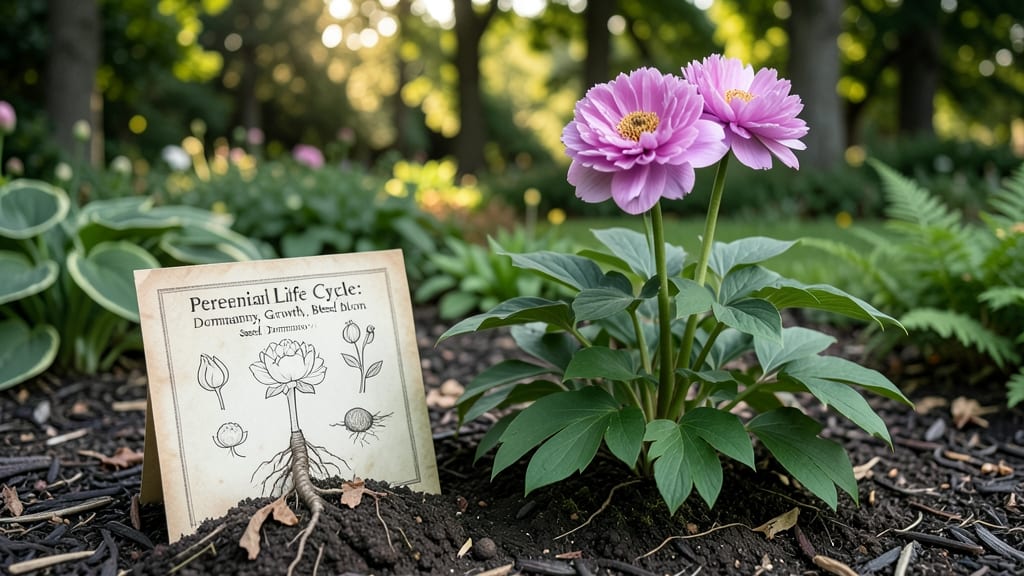
The perennial life cycle revolves around four key stages—dormancy, growth, flowering, and rebloom—allowing these plants to thrive year after year through energy stored in roots and rhizomes, unlike annuals that complete their entire lifecycle in just one season.
The beauty of perennials lies in their ability to renew themselves season after season, thanks to their underground energy reserves. 🌱 During dormancy, plants conserve resources in roots or bulbs, preparing for spring's active growth phase where leaves and stems emerge.
This stored energy fuels flowering and reblooming, ensuring perennials return stronger each year—ideal for gardeners who want low-maintenance yet long-lasting plants.
Understanding this cycle helps you time tasks like pruning or fertilizing for maximum impact. For example, mulching in late fall protects roots during dormancy, while spring feeding supports new growth. This natural rhythm makes perennials far more resilient than annuals, which must be replanted every year.
💡 In This Article
- Key Phases of a Perennial’s Annual Growth Cycle
- How to Support Perennials Through Each Life Stage
Key phases of a perennial’s annual growth cycle
Perennials master seasonal survival through a four-phase cycle that begins with dormancy, where plants conserve energy in underground structures like roots or rhizomes. During winter's chill, metabolic activity slows to just 5-10% of summer rates, with starches stored in roots converting to sugars that sustain vital functions.
This adaptation lets hardy species like peonies survive -20°F temperatures by entering a metabolic hibernation state, similar to how bears reduce activity during winter.
The transition to vegetative growth in spring is triggered by increasing daylight and soil temperatures above 50°F. Stored energy fuels rapid leaf and stem development, with some perennials like asparagus producing new shoots from crown buds just below the soil surface.
This phase can last 6-8 weeks, during which plants prioritize building biomass—often doubling their root mass—before diverting energy to flowering. The key difference from annuals is how perennials allocate 30-50% of their energy reserves to root expansion rather than reproduction.
Flowering represents the reproductive phase, where perennials allocate 20-40% of their annual energy budget to producing blooms. The timing varies dramatically: early bloomers like crocuses emerge in late winter when soil is still cold, while late-season coneflowers wait until mid-summer when temperatures stabilize.
This phase is metabolically expensive—some perennials like lavender require 1,200-1,500 hours of sunlight annually to produce enough energy for both flowers and seed development, explaining why they struggle in shaded gardens.
After flowering comes seed production and rebloom preparation, where perennials face a critical energy trade-off. Plants must decide whether to invest in seed-making (which consumes 50% more energy than flowering alone) or redirect resources to next year's growth.
Some species like bee balm produce two flowering cycles per year, while others like hostas focus on foliage development. This phase often coincides with late summer heat waves, when perennials must balance water conservation with energy production—a delicate act that explains why many perennials wilt during droughts.
The cycle then resets with dormancy preparation, where plants begin storing carbohydrates in roots by late August. This pre-winter phase is crucial: research shows perennials that don't complete this storage properly are 30% more vulnerable to winter dieback.
The process involves converting leaf sugars to starches through photosynthesis, even as daylight shortens—a remarkable biological feat that ensures perennials emerge stronger each spring. 🌿
What makes this cycle so efficient is the underground energy bank perennials maintain. Unlike annuals that must complete their entire lifecycle in one season, perennials like daylilies can live 20-30 years by gradually building their root systems.
This stored energy acts like a biological savings account, allowing plants to weather environmental stresses while annuals would perish. The trade-off? Perennials grow more slowly in their first year as they establish these reserves—patience pays off in long-term garden resilience. ✨