
Tools
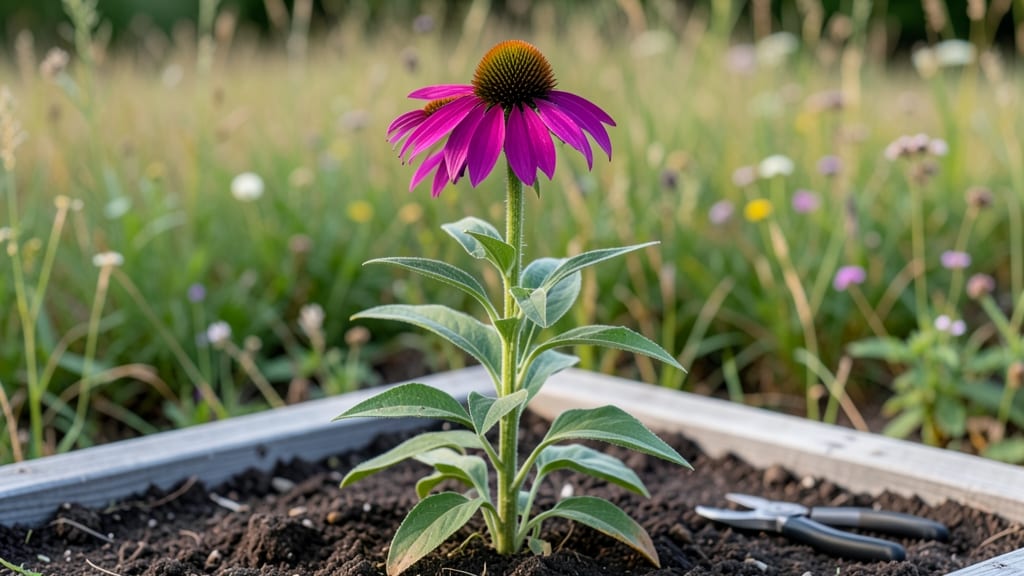
A perennial garden in zone 5 thrives with cold-resistant plants like coneflowers, black-eyed Susans, and sedum, which survive winters below 20°F. Focus on hardy species, mulch heavily, and plant in well-draining soil to ensure year-round blooms and resilience against harsh climates.
Creating a thriving perennial garden in zone 5 means choosing plants that can handle brutal winters while still delivering vibrant blooms come spring. 🌿 The key is selecting species with deep root systems that insulate against freezing temperatures, like Russian sage or catmint, which often return stronger year after year.
I’ve found that adding a 3-inch layer of organic mulch in late fall acts like a blanket, protecting roots from temperature swings that can stress or kill tender plants.
What sets zone 5 apart is its long growing season—plants need to establish roots before the first frost, usually around October 15 in most areas. Starting with established perennials rather than seeds gives them that critical head start, while grouping plants with similar water needs together simplifies maintenance.
For example, pairing lavender with sedum creates a drought-tolerant zone that thrives with minimal irrigation once established.
💡 In This Article
- Understanding Zone 5 Perennial Cold Hardiness
- Best Low-Maintenance Perennials for Zone 5 Gardens
Understanding zone 5 perennial cold hardiness
Zone 5's extreme winters (-20°F to -10°F) force perennials to develop specialized survival strategies. The key mechanism is dormancy, where plants slow metabolic processes to conserve energy. This involves converting sugars into antifreeze-like compounds that prevent cell damage from ice crystal formation.
For example, coneflowers produce high levels of proline, an amino acid that protects cellular structures during freezing temperatures, allowing them to survive down to -30°F with proper care.
The real battle happens at the root zone where temperatures can fluctuate dramatically between day and night. A 3-4 inch layer of organic mulch (like straw or shredded leaves) creates an insulating barrier that maintains soil temperatures within a 5-10°F range above air temperatures.
This insulation is crucial because frozen soil prevents root uptake of moisture, which can dehydrate plants even in winter. The mulch also breaks down slowly, releasing nutrients that jumpstart spring growth. 🌱
Leaf protection plays an equally vital role. Deciduous perennials naturally shed foliage, but evergreens like Russian sage develop thick, waxy coatings that reduce water loss. Some plants even produce antioxidant compounds that repair frost damage.
The science shows that plants exposed to gradual temperature drops (like those in zone 5) develop stronger cold tolerance than those shocked by sudden freezes. This is why late fall planting gives perennials time to acclimate before winter.
What most gardeners overlook is the microclimate effect—south-facing walls or slopes can create zones that are 5-10°F warmer than open areas. This explains why some perennials thrive in one spot but fail just 10 feet away.
For instance, black-eyed Susans often survive winters in sheltered locations where temperatures might only drop to -15°F, while the same plant in an exposed bed may suffer damage at -20°F. Strategic placement can extend the hardiness range of many perennials by 2-3 zones.
Water management is equally critical during dormancy. While you might think winter watering is unnecessary, plants still lose moisture through transpiration. A well-draining soil mix (60% mineral, 30% organic matter, 10% air pockets) prevents waterlogged conditions that lead to root rot.
The ideal soil pH for zone 5 perennials ranges between 6.0-7.0, which enhances nutrient availability during the growing season while maintaining good drainage during winter thaws.
Here's what actually happens when you get the conditions right: Perennials like sedum develop succulent-like water storage in their leaves, while deep-rooted species like peony can access moisture from 3-4 feet below ground—far beyond where frost penetrates.
This natural adaptation means your garden can maintain some greenery even during harsh winters, with many perennials emerging in early spring with minimal stress. 💫