
Flowers
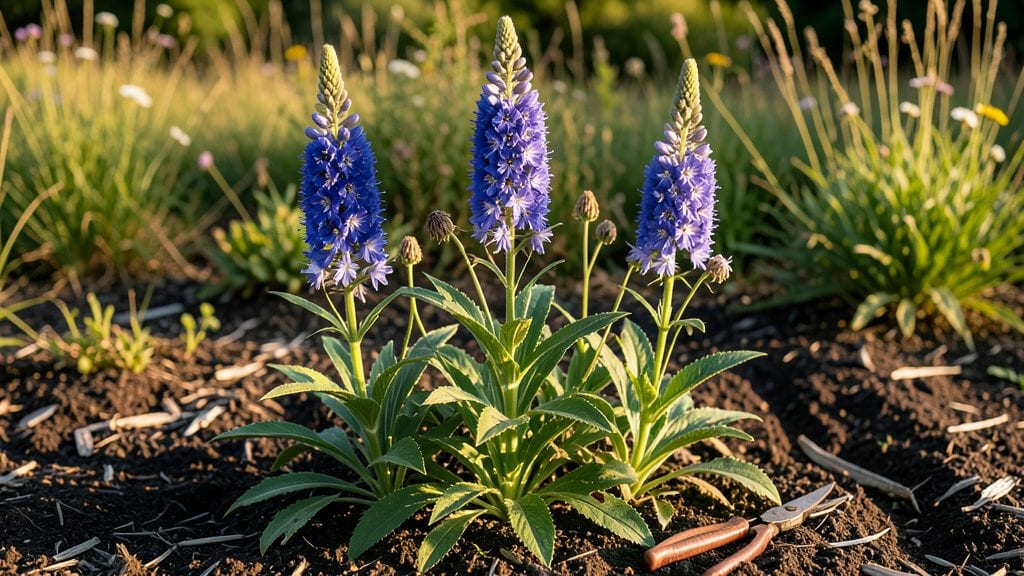
Delphinium perennials thrive best in USDA hardiness zones 3 through 8, where cooler temperatures and well-drained soil maximize their growth potential.
Delphiniums are famously cold-tolerant, but their success depends on both winter hardiness and summer heat management. 🌿 In zones 3-5, these flowers often bloom earlier due to cooler springs, while zones 7-8 require shade protection during peak summer heat to prevent bolting.
The key difference between hardy varieties like Delphinium elatum and tender types lies in their root systems—deeper roots help them access moisture during droughts, which is why container growing works well in warmer climates.
For gardeners in marginal zones (like zone 9), choosing dwarf varieties or planting near north-facing walls creates microclimates that mimic cooler conditions. Mulching with straw or evergreen boughs in late fall adds an extra 10°F of frost protection, which can mean the difference between survival and winter dieback.
The best approach combines variety selection with site-specific adjustments—never assume one solution works universally.
💡 In This Article
- Understanding Delphinium Cold Tolerance by Variety
- Best Delphinium Planting Zones by Region
Understanding Delphinium cold tolerance by variety
Delphiniums exhibit remarkable cold tolerance through a combination of deep root systems and specialized growth cycles. The species Delphinium elatum, for example, can withstand temperatures down to -30°F in winter thanks to its thick, fibrous roots that store energy for regrowth.
These roots penetrate 2-3 feet deep, accessing moisture and nutrients even in frozen soil—a survival strategy similar to peonies or coneflowers. 🌟 The key here is how these roots act as natural insulation, protecting the crown from extreme cold while maintaining metabolic activity just enough to survive.
In contrast, Delphinium grandiflorum varieties typically handle -20°F temperatures, making them better suited for zones 5-7. Their growth habit is more compact, with stems reaching 3-5 feet but requiring sturdier support.
Hybrid cultivars often blend these traits, offering intermediate hardiness (zones 4-8) but with slightly shorter stature (2-4 feet) and more vibrant colors.
What most gardeners don't realize is that these hybrids often prioritize bloom size over cold resistance, which is why they may need winter protection in marginal zones.
Temperature extremes trigger dormancy in delphiniums through a process called vernalization—exposure to prolonged cold (32-40°F for 4-6 weeks) signals the plant to shift from vegetative growth to reproductive mode.
This is why early spring blooms are more reliable in cooler zones (3-5) where winter chill hours are naturally higher. In warmer zones (7-8), gardeners must replicate this chill period by planting in shaded spots or using shade cloth during summer to prevent premature bolting (flowering too early).
Winter survival strategies hinge on three factors: insulation, moisture management, and microclimates. Mulching with 4-6 inches of straw or wood chips adds 5-10°F of frost protection by trapping heat and preventing soil temperature swings.
Evergreen boughs create windbreaks that reduce desiccation, while container-growing in zones 9+ allows for winter relocation to sheltered spots. The science here involves balancing soil moisture—too wet causes root rot, while too dry stresses the plant.
Aim for 40-60% soil moisture during dormancy to keep roots viable without encouraging fungal growth.
Consider these key differences when selecting varieties:
- Root depth: Delphinium elatum roots reach 3 feet, while hybrids average 1.5-2 feet
- Stem strength: D. grandiflorum stems are 30-50% sturdier than hybrids, reducing wind damage
- Chill requirements: Hybrids need 600-800 chill hours vs. 400-600 for D. elatum
For gardeners in transition zones (6-7), the best approach is to plant Delphinium elatum varieties in full sun with afternoon shade and use 3-4 inches of mulch. In zone 8, opt for dwarf hybrids like 'Pacific Giant' and group plants near north-facing walls to create cooler microclimates.
The goal is to mimic the plant's natural habitat—moist, well-drained soils with seasonal temperature fluctuations. 💫