
Plants
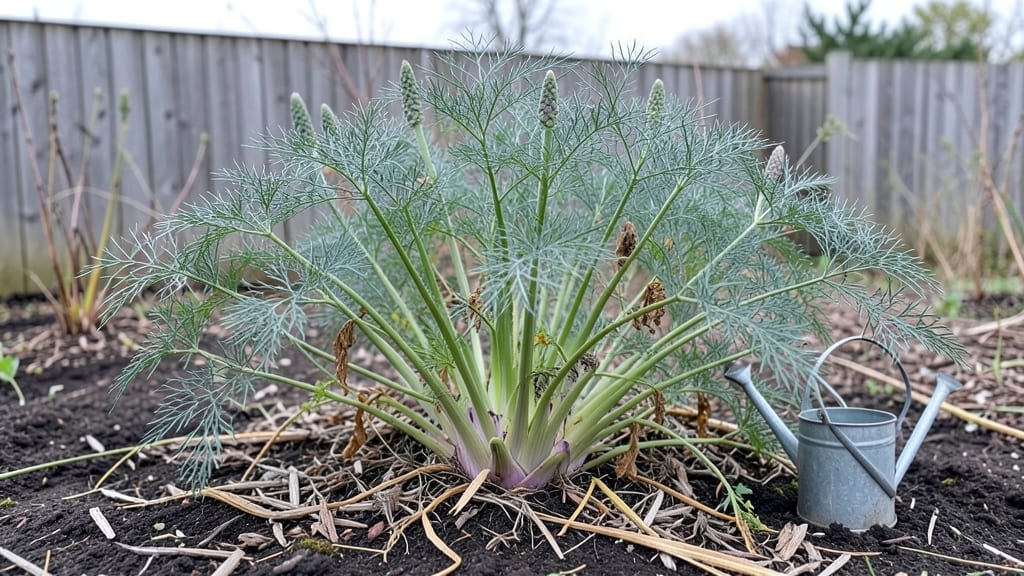
Growing perennial fruits and veggies means fewer spring chores and more harvests for years to come—no replanting required.
Tired of replanting every spring? Imagine stepping into your garden and picking fresh strawberries, asparagus, or rhubarb without ever digging in new seeds. These cold-hardy plants don’t just survive winter; they come back stronger, delivering decades of effortless yields with the right care.
Whether you’re in USDA Zones 3-7, these low-maintenance crops thrive in full sun and well-drained soil, making them perfect for busy gardeners. From asparagus spears in early summer to strawberries ripening in fall, the rewards start early—and keep coming.
In this guide, you’ll learn which perennials suit your climate, how to plant them for long-term success, and simple tricks to avoid common pitfalls. Ready to trade annual hassles for perennial payoffs?
Top 10 cold-hardy perennial fruits and vegetables for year-round harvests
If you're dreaming of a garden that rewards you with fresh produce year after year without the annual replanting headache, perennial fruits and vegetables are your best bet. These cold-hardy plants thrive in USDA Zones 3-7, surviving harsh winters and delivering harvests for decades.
Whether you're a seasoned gardener or just starting, these resilient plants will transform your garden into a low-maintenance harvest machine.
One of my favorite aspects of perennial fruits and veggies is their ability to rebound every spring with minimal effort. Unlike annuals, they establish deep root systems that make them drought-resistant and pest-resistant over time.
Plus, they often improve with age, producing even more abundant yields as they mature. Let’s dive into the top 10 cold-hardy perennials that will keep your kitchen stocked and your garden thriving.
| Plant | USDA Zones | Sunlight Needs | Water Needs | Mature Size | Harvest Window | Notes |
|---|---|---|---|---|---|---|
| Asparagus | 3-10 | Full sun | Moderate | 3-5 ft tall, 1-2 ft wide | Spring (3-6 years after planting) | Slow to establish but high-yielding for decades |
| Rhubarb | 3-9 | Full sun to partial shade | Moderate | 2-3 ft tall, 2-3 ft wide | Spring to early summer | Loves cold climates and thrives in poor soil |
| Strawberries (June-bearing) | 3-10 | Full sun | Moderate to high | 6-12 in tall, spreads via runners | Late spring to early summer | Ever-bearing varieties extend harvest season |
| Jerusalem Artichoke | 3-9 | Full sun to partial shade | Moderate | 5-8 ft tall, 3-4 ft wide | Fall to early winter | Drought-tolerant and edible tubers |
| Hardy Kiwi (Actinidia) | 4-9 | Full sun | Moderate | 15-30 ft tall (trellis needed) | Late summer to fall | Needs male and female plants for fruit |
| Groundnut (Apios) | 4-9 | Partial shade | Moderate | 3-6 ft tall, spreads via vines | Fall (edible tubers) | Native American nutrient-dense food source |
| Sea Kale | 5-9 | Full sun to partial shade | Moderate | 2-3 ft tall, 2-3 ft wide | Spring to fall (cut-and-come-again) | Tolerates coastal climates and frost |
| Oca | 5-10 | Full sun | Moderate | 1-2 ft tall, spreads via tubers | Fall (colorful edible tubers) | Brightly colored and sweet-tart flavor |
| Sunchoke (Jerusalem Artichoke) | 3-9 | Full sun to partial shade | Moderate | 5-8 ft tall | Fall to early winter | High in inulin fiber and drought-resistant |
| Hardy Herbs (Sage, Thyme, Oregano) | 4-9 | Full sun | Low | 1-3 ft tall, varies by variety | Year-round (leaves) | Pest-resistant and perfect for borders |
Starting with asparagus, this perennial vegetable is a garden staple for its long lifespan and high yield. It takes 2-3 years to establish but can produce for 20+ years. Plant crowns in well-drained soil and give them plenty of space—they hate being disturbed once established.
For a quick harvest, try rhubarb, which thrives in cool climates and can be harvested as early as spring.
Strawberries are another fantastic choice, especially June-bearing varieties that produce a heavy crop in early summer. To extend your harvest, plant ever-bearing varieties like Alpine strawberries, which fruit in late spring and fall. These perennials also spread naturally, so give them room or contain them with edging.
For something truly unique, consider Jerusalem artichokes or oca, both of which produce edible tubers that thrive in cold
How to plant and maintain perennial fruits and veggies for long-term success
Perennial fruits and veggies offer the ultimate gardening reward: years of harvests with minimal replanting. Unlike annuals, these plants establish strong root systems that survive winters and produce abundantly for 5-10 years—or even longer!
The key to their success lies in proper planting techniques and seasonal maintenance tailored to their unique needs.
Before you dig, remember that soil quality and site selection make all the difference. Perennials like asparagus and rhubarb thrive in well-draining soil with organic matter, while strawberries prefer slightly acidic conditions. Cold climates? No problem—mulching and seasonal care adjustments will keep your perennials thriving year after year.
Your Perennial Planting & Care Roadmap
-
Step 1: Prepare the Soil
Test your soil's pH (aim for 6.0-7.0 for most perennials) and amend with compost or aged manure. Perennials need deep, fertile soil to establish strong roots.
-
Step 2: Choose the Right Location
Select a spot with full sun (6+ hours daily) for most perennials. Strawberries tolerate partial shade, while asparagus needs 6-8 hours to thrive.
-
Step 3: Plant at the Correct Depth & Spacing
Follow spacing guidelines: asparagus crowns 12-18" apart, rhubarb 2-3' apart, and strawberries 12-18" apart. Plant crowns slightly above soil to prevent rot.
-
Step 4: Mulch Heavily for Winter Protection
Apply 3-4 inches of mulch (straw, wood chips) after planting. In cold climates, add extra mulch in late fall to insulate roots and prevent heaving during freeze-thaw cycles.
-
Step 5: Fertilize Strategically
Use a balanced fertilizer (10-10-10) in early spring and mid-summer. Avoid high-nitrogen fertilizers—phosphorus and potassium support root and fruit development.
-
Step 6: Prune for Health & Productivity
Asparagus: Cut spears to 3-4 inches above ground in fall. Rhubarb: Remove dead leaves in early spring. Strawberries: Trim runners in late summer to redirect energy to fruit production.
-
Step 7: Extend the Season in Cold Climates
Use row covers in early spring or cold frames to protect tender perennials like artichokes or sunchokes. Harvest asparagus before soil warms in spring for the earliest crop.
One of the biggest mistakes gardeners make is overwatering perennials. While they need consistent moisture, soggy soil leads to root rot. Water deeply 1-2 times per week (more in extreme heat) and always water at soil level (not overhead) to prevent fungal diseases like powdery mildew.
Pest control is another critical aspect. Slugs love young asparagus shoots, while Japanese beetles can devastate strawberry beds. Use organic sprays (neem oil, insecticidal soap) or physical barriers like copper tape for slugs. Crop rotation isn’t needed for perennials, but removing debris in fall reduces overwintering pests.
With these steps, your perennial fruits and veggies will reward you with decades of harvests—all while saving you time and effort. Start small with 1-2 varieties, like strawberries and asparagus, to master the techniques before expanding. Happy planting! 🌱