
Tools
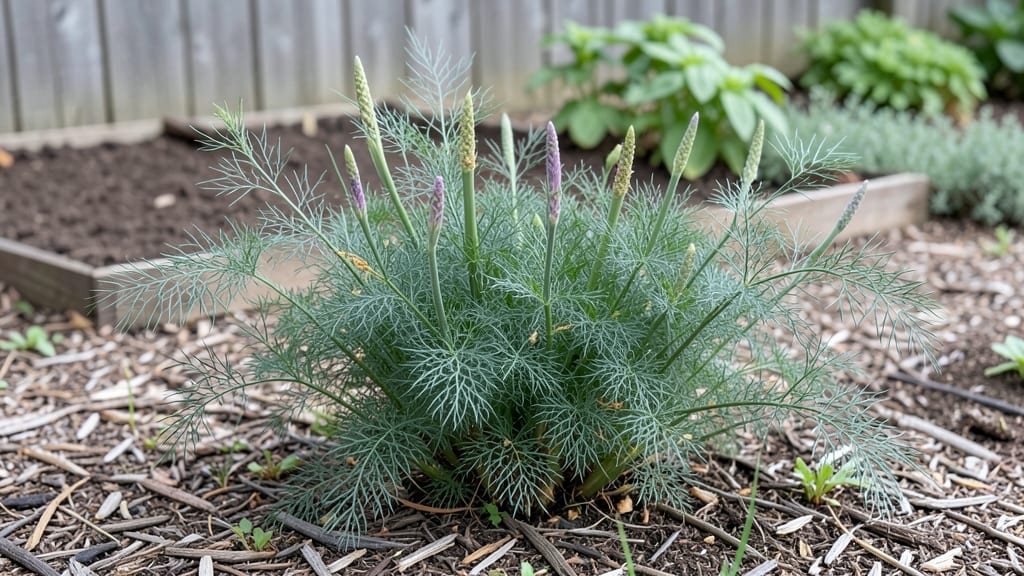
A perennial food garden that feeds you for years with almost no replanting? That’s the game-changer I stumbled upon after years of annual planting burnout. The first time I harvested rhubarb in March—while my neighbors were still stuck with store-bought greens—I knew I’d never go back.
This isn’t just gardening; it’s building a self-sustaining food system that thrives with minimal effort once established.
The secret lies in three smart layers: choosing the right perennials for your climate, arranging them so they support each other (think asparagus next to strawberries), and preparing soil that stays rich without constant amendments.
My first plot now yields more in summer than my old annual garden ever did, and winter harvests keep coming from kale, winter squash, and hardy herbs. The upfront work pays off in dividends—literally.
You’ll end up with a garden that looks like a wildflower meadow but tastes like a farmers’ market. Imagine plucking fresh raspberries in July, snapping asparagus spears in May, and harvesting garlic scapes in June—all from the same patch year after year.
The best part? Once the plants are settled, maintenance drops to weekly weeding sessions instead of monthly planting cycles. Let’s get your design sketched out.
This works whether you’ve got a sunny backyard, a shady corner, or just a few containers—the principles scale. We’ll cover the foolproof perennials for your zone, how to map them for maximum yield, and the one soil trick that keeps everything thriving. Ready to ditch the annual grind?
📚 In This Guide
- What you need
- Instructions
- Tips and common mistakes
- Wrapping up and next steps
What you need
- ● Land: A sunny spot (6+ hours of sunlight daily) with well-draining soil. Size: Minimum 4’x4’ per bed (scale up for bigger harvests!).
- ● Perennial Plants: Start with 5–10 diverse species (e.g., asparagus, rhubarb, fruit bushes, herbs like rosemary). Quantity: 1–3 plants per type (depends on space).
- ● Compost/Soil Amendments: 2–3 cubic yards of high-quality compost or aged manure to enrich soil.
- ● Mulch: 3–4 inches of organic mulch (straw, wood chips, or leaves) to retain moisture and suppress weeds.
- ● Tools: Spade or broadfork (for soil aeration)
- ● Garden trowel (for planting)
- ● Pruners (sharp, bypass-style for clean cuts)
- ● Wheelbarrow (for hauling soil/mulch)
- ● Measuring tape (for spacing plants 3–6’ apart)
- ● Watering System: Drip irrigation or soaker hoses (¼–½ inch daily in dry climates).
- ● Drip Irrigation Timer: Automates watering for hassle-free maintenance.
- ● Arborist Chipper: For on-site wood chip mulch (if you have trees/felled branches).
- ● Plant Supports: Trellises or stakes for vining perennials (e.g., hardy kiwi, grapes).
- ● Soil Test Kit: Check pH (ideal: 6.0–7.0) and nutrient levels before planting.
- ● Companion Planting Guide: Pair plants that thrive together (e.g., comfrey + fruit trees).
How to design a low-maintenance perennial food garden
Here’s the straightforward approach I’ve used to create gardens that thrive with minimal effort once established.
Select the Right Perennial Plants for Your Climate
Start by choosing plants suited to your hardiness zone and sunlight conditions. I focus on hardy staples like asparagus, rhubarb, and strawberries for shade-tolerant spots, while sun-loving perennials like horseradish, Jerusalem artichokes, and sorrel thrive in full sun. These plants spread naturally over time, reducing the need for replanting.
Check each plant’s mature size and growth habit—some, like comfrey, grow aggressively and need containment, while others, like chives, stay compact. Group plants with similar water and sunlight needs together to simplify maintenance. I always sketch a rough layout first to visualize spacing before digging.
Prepare the Soil for Long-Term Health
Break up the soil to a depth of 12-18 inches using a broadfork or shovel to loosen compaction without disturbing the natural structure. Amend the soil with 3-4 inches of compost mixed into the top 6 inches—this ensures nutrients are available where roots will grow most actively. Avoid heavy fertilizers; perennials thrive on slow-release organic matter.
Test your soil’s pH if possible—most perennial food plants prefer a slightly acidic to neutral range (6.0-7.0). If your soil is heavy clay or sandy, incorporate 2 inches of aged manure or leaf mold to improve texture. I like to work in a 1-inch layer of wood chips on the surface after planting to protect soil moisture and suppress weeds.
Plant with Intention for Natural Spread
Dig holes twice as wide as the root ball but only as deep as the container’s base—planting too deep can suffocate roots. Space aggressive spreaders like mint or comfrey 3-4 feet apart to contain their growth, while slower growers like asparagus crowns can go 18-24 inches apart. I always plant in early spring or fall when temperatures are mild.
Water deeply after planting to settle the soil around roots, then mulch immediately with 2-3 inches of straw or shredded leaves. This keeps roots cool in summer and warm in winter while preventing weed competition. Avoid synthetic mulches—they don’t break down and can harm soil life over time.
Establish Maintenance Routines for Year-Round Care
Perennials need deep watering once a week during the first growing season to encourage strong root development. After that, most establish themselves with 1 inch of rainfall or water per week. I check soil moisture by hand—if the top 2 inches feel dry, it’s time to water. Overwatering is the biggest mistake here; perennials hate soggy roots.
Prune dead or diseased foliage in early spring to stimulate new growth, but avoid heavy pruning in fall unless dealing with invasive species. I also top-dress with 1 inch of compost annually in early spring to replenish nutrients without overfeeding. Fertilizer isn’t necessary if you’ve amended the soil properly at planting.
Harvest Strategically to Encourage Regrowth
Learn each plant’s ideal harvest time—rhubarb stalks in spring, asparagus spears in early summer, and leafy greens like sorrel throughout the season. Cut no more than one-third of the plant at a time to avoid stressing it. I always harvest in the morning when flavors are most concentrated and moisture levels are high.
Leave some foliage intact after harvest to continue photosynthesis. For example, after cutting asparagus spears, let the ferns regrow to feed the roots. In fall, I clean up only the dead debris, leaving protective mulch in place. This minimal intervention keeps the garden productive with almost no effort after the first year.
Tips & tricks for perfect perennial food garden design
Creating a thriving perennial food garden doesn't have to be complicated—these strategies will help you avoid common pitfalls and maximize your garden's potential with minimal ongoing effort.
Plant Selection Strategy: When choosing perennials in Step 1, prioritize plants with complementary growth habits. For example, pair the shade-tolerant asparagus with the sun-loving horseradish to create natural microclimates within your garden. I've found that grouping plants by their water needs—like placing rhubarb near strawberries—reduces irrigation complexity. This layered approach mimics natural ecosystems where different species support each other's growth patterns.
Soil Preparation Insight: The 12-18 inch soil loosening in Step 2 isn't just about breaking up compaction—it's about creating a deep root zone where nutrients can accumulate over time. I recommend using a broadfork to avoid disturbing the soil structure while still improving drainage. For clay soils, incorporate the 2 inches of aged manure gradually over several seasons to prevent nutrient overload, which can actually harm microbial activity in the long run.
Planting Layout Technique: When establishing spacing in Step 3, consider the mature size of each plant rather than their current size. For instance, while asparagus crowns might look small initially, they'll spread to fill 18-24 inches of space within a few years. I create a simple sketch showing each plant's mature footprint before digging, which prevents overcrowding and makes future maintenance much easier. This visual planning also helps identify potential sun/shade conflicts before they become problems.
Maintenance Efficiency Hack: The annual 1-inch compost top-dressing in Step 4 works best when applied in early spring before active growth begins. I've found that spreading compost in a thin layer over the entire garden bed—rather than just around individual plants—creates a more uniform nutrient distribution. This approach also encourages beneficial soil organisms to spread throughout the planting area, improving overall soil health over time.
Pro Tips for Perennial Food Garden
- Creating a thriving perennial food garden doesn't have to be complicated—these strategies will help you avoid common pitfalls and maximize your garden's potential with minimal ongoing effort.
- Plant Selection Strategy: When choosing perennials in Step 1, prioritize plants with complementary growth habits.
- Soil Preparation Insight: The 12-18 inch soil loosening in Step 2 isn't just about breaking up compaction—it's about creating a deep root zone where nutrients can accumulate over time.
Frequently asked questions
Got questions about perennial food gardens?
You’re not alone! Here are answers to the most common ones to help you dive in with confidence.
What’s the easiest perennial food plant for beginners to start with?
Start with asparagus or rhubarb—both are hardy, low-maintenance, and produce for decades. Strawberries (everbearing varieties) and fruit bushes like currants are also great choices. They thrive in most climates and reward patience with minimal effort!
How long does it take for a perennial food garden to become productive?
Most perennials take 1–3 years to establish and yield harvests. For example, asparagus needs 2–3 years before full production, while fruit trees (like apples) can take 3–5 years. Plan ahead—patience pays off with years of harvests!
Can I grow a perennial food garden in cold climates?
Cold-hardy perennials like saskatoon berries, gooseberries, sea kale, and wintergreen thrive in zones 3–6. Layer mulch (straw, leaves) to insulate roots, and choose native or adapted species for resilience. Microclimates (e.g., south-facing slopes) can extend growing seasons too!
Are perennial food gardens more expensive to start than annuals?
Upfront costs may be higher (e.g., fruit trees or asparagus crowns), but they pay off long-term. Compare to annuals: No yearly replanting, less watering, and fewer pesticides. Start small with affordable perennials like herbs (oregano, thyme) or edible flowers (calendula) to test the concept!
How do I keep pests away without chemicals in a perennial garden?
Use preventive strategies: Plant companion plants (e.g., garlic near fruit trees), encourage beneficial insects (ladybugs, lacewings), and prune regularly for airflow. Neem oil or soapy water sprays work for targeted issues. Healthy soil = healthier plants that resist pests naturally!
Wrapping up and next steps
A perennial food garden isn’t just a dream—it’s a living, low-maintenance feast that rewards patience with year-round abundance. By focusing on hardy, self-sustaining plants and smart layouts, you’ll spend less time weeding and more time savoring fresh, homegrown meals. 🌱
Ready to dive in? Start small—pick one corner of your yard or a container setup—and let nature do the rest. Before you know it, your garden will be thriving with minimal effort, proving that the best things grow over time. Happy planting! 🌿