
Light Requirements
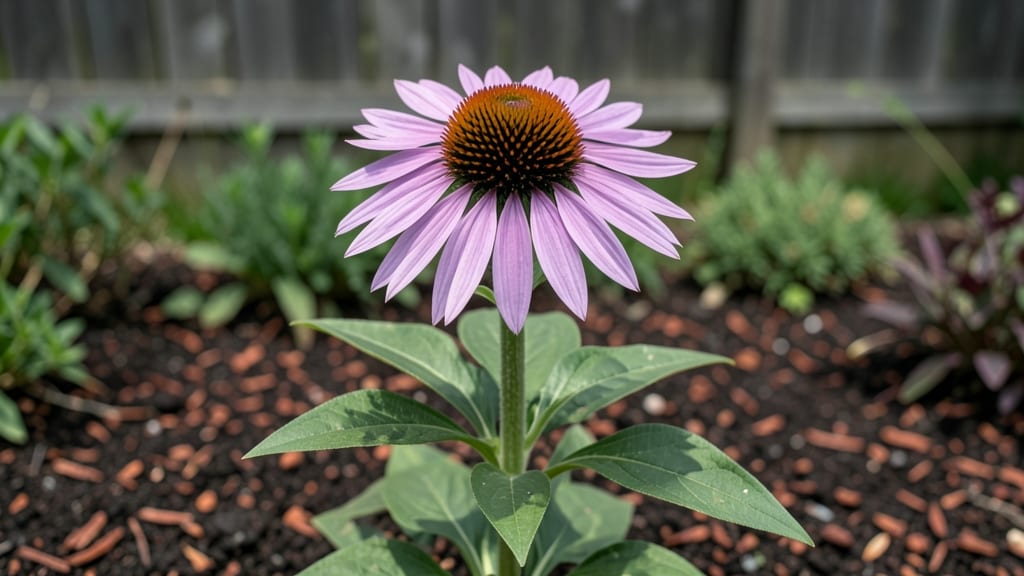
Perennial flowers that take full sun thrive in direct sunlight for at least 6-8 hours daily, offering vibrant blooms year after year with minimal care. Top choices include black-eyed Susans, coneflowers, daylilies, and lavender, which require well-drained soil and occasional pruning for optimal growth.
Full sun perennials aren't just about surviving heat—they're designed to bloom brighter and longer when exposed to strong sunlight. 🔥 The key is choosing varieties that match your climate's intensity; for example, Russian sage thrives in hot, dry regions while catmint handles cooler full-sun spots.
I've found that proper soil preparation (adding compost) makes a huge difference in how well these plants establish deep roots, which helps them access water during droughts. Many of these sun-lovers also attract pollinators, turning your garden into a buzzing ecosystem.
What sets these perennials apart is their ability to regrow each season with minimal intervention. Unlike annuals, they develop stronger root systems over time, making them more resilient to temperature swings. For instance, purple coneflowers often reward gardeners with second blooms if you deadhead spent flowers in early summer.
The trade-off? Some may need occasional staking if they grow tall, but their low-maintenance nature makes them perfect for busy gardeners.
💡 In This Article
- How Sunlight Affects Perennial Flower Growth
- Best Low-Maintenance Sun-Loving Perennials for Beginners
How sunlight affects perennial flower growth
Sunlight triggers a cascade of physiological responses in perennials that directly impact their growth and flowering. These plants have evolved to maximize photosynthesis efficiency under intense light conditions, converting solar energy into glucose at rates up to 30% faster than shade-adapted species.
The extra energy fuels larger, more vibrant blooms while strengthening cell walls to withstand heat stress. For example, black-eyed Susans produce 2-3 times more flowers in full sun compared to partial shade, thanks to increased chlorophyll production and stomatal regulation that prevents water loss.
The root systems of sun-loving perennials develop differently too. Under full sun exposure, roots grow deeper—often extending 2-3 feet into the soil—to access moisture and nutrients during dry spells.
This adaptation explains why varieties like lavender thrive in drought conditions: their roots can tap into groundwater sources that shallow-rooted plants miss. The trade-off? Some perennials, like asters, produce longer but thinner stems in full sun, requiring occasional staking to prevent flopping in windy conditions.
Heat tolerance becomes critical in full-sun environments. Many sun perennials contain natural heat-shock proteins that protect their cellular structures from temperatures exceeding 90°F. Russian sage, for instance, maintains its deep purple foliage even during heatwaves by using a waxy leaf coating that reduces water evaporation.
This adaptation explains why some shade-tolerant perennials like hostas struggle in full sun—their delicate leaves burn when exposed to prolonged UV radiation, while sun perennials have evolved protective pigments like anthocyanins to shield their tissues.
Partial shade presents unique challenges for sun perennials because it disrupts their natural growth patterns. Without sufficient light, plants like daylilies produce fewer blooms and develop leggy stems as they stretch toward available light—a phenomenon called etiolation.
The key difference lies in their leaf structure: sun perennials have smaller, thicker leaves with fewer stomata (pores) to conserve water, while shade plants have larger, thinner leaves optimized for lower light absorption.
This structural difference explains why moving a sun perennial from full sun to partial shade often results in weaker stems and reduced flowering.
Consider how different perennials adapt to sunlight intensity through their growth cycles. Coneflowers, for example, begin flowering later in the season when temperatures peak, taking advantage of cooler morning light while avoiding midday heat stress.
Their deep roots store water during summer droughts, allowing them to continue blooming when many other perennials wilt. This seasonal timing strategy demonstrates how sun perennials have evolved sophisticated mechanisms to thrive in challenging conditions.
The soil's role in sunlight adaptation cannot be overstated. Well-drained soil prevents root rot while allowing oxygen to reach deeper roots—a critical factor for sun perennials that develop extensive underground networks. Adding 1-2 inches of compost before planting improves soil structure, helping roots establish more quickly in full-sun conditions.
Without proper drainage, even heat-tolerant perennials like blanket flower can develop fungal issues, as their roots become waterlogged during afternoon downpours.
What most gardeners don't realize is how sunlight quality affects growth. While full sun provides the most energy, the angle of sunlight changes throughout the day—morning light is cooler and less intense than midday rays.
Perennials like black-eyed Susans often show the most vibrant colors in morning sun because their pigments aren't bleached by prolonged UV exposure.
This explains why some gardeners report better results when planting sun perennials on the east side of structures, where they receive gentle morning light before the heat of the day.