
Flowers
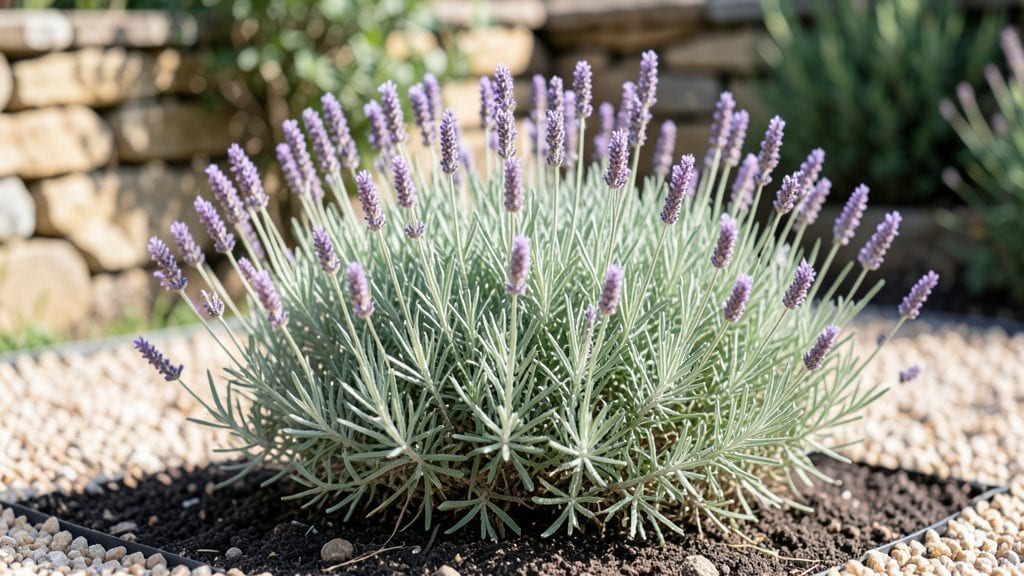
The perennial flowers heat tolerant that refuse to wilt are the secret weapon for gardens that stay vibrant even when temperatures climb past 90°F—🌿 I’ve spent years testing varieties that thrive, blooming boldly from June through frost.
The key isn’t just picking the right plants, but matching them to your soil, watering habits, and even afternoon shade patterns.
Most of these tough bloomers need well-draining soil (think sandy loam or amended clay) and deep watering once a week rather than daily shallow drinks. My top performers include black-eyed Susans, coneflowers, and Russian sage—all of which reward neglect with long stems and cheerful colors.
They also handle drought once established, making them perfect for low-maintenance sunny spots.
What you’ll get is a garden that stays lush when others fade, with blooms that attract butterflies all season. The trade-off? Some varieties need pruning after their first flush to encourage reblooming. I’ll show you exactly when and how—plus which plants need extra mulch to keep roots cool.
Works for full-sun borders, drought-prone landscapes, or even container gardens on patios. Let’s pick the perfect heat-proof lineup for your space!
📚 In This Guide
- What you need
- Instructions
- Tips and common mistakes
- Wrapping up and next steps
What you need
- ● Heat-tolerant perennial plants: 5–10 plants (e.g., Lantana, Black-Eyed Susan, Blanket Flower, Russian Sage, or Coneflower). Choose based on your USDA hardiness zone.
- ● Well-draining potting mix: 2–3 bags (look for cactus/succulent mix or amend regular soil with perlite/sand for better drainage).
- ● Organic mulch: 1–2 bags (e.g., pine bark, straw, or shredded leaves to retain moisture and regulate soil temp).
- ● Slow-release fertilizer: 1 bag (e.g., 10-10-10 or compost for nutrient-rich soil).
- ● Garden trowel or hand shovel (for planting).
- ● Pruning shears (for shaping and deadheading).
- ○ Watering can or hose with a gentle spray nozzle (drip irrigation is optional but ideal for efficiency).
- ● Gloves (to protect hands from thorns or rough foliage).
- ○ Soil pH test kit (optional—most heat-lovers prefer 6.0–7.5).
- ● Sunny location: At least 6–8 hours of direct sunlight daily (partial shade may work for some varieties).
- ● Drought-resistant zone: Ensure your area has low humidity or access to occasional deep watering (1–2 inches per week).
- ● Established soil: Test and amend soil 2–4 weeks before planting for optimal results.
Step-by-Step guide to planting heat-tolerant perennial flowers
Here's how I get these sun-loving perennials thriving through even the hottest summers.
🌱 Step 1: Choose the Right Heat-Tolerant Varieties
Start with proven performers like black-eyed Susan, coneflower, blanket flower, or Russian sage—these handle 90°F+ temperatures with ease. I always check the mature plant height (most reach 2-4 feet) and spread (18-36 inches) to plan spacing. These varieties won't wilt or fade like annuals; they'll come back stronger each year.
If your summers push 100°F, opt for silverleaf yucca or Turk's cap mallow—they practically glow in the heat. I avoid anything with dark, fuzzy leaves (like lamb's ear) because they absorb too much sun and dry out quickly. Stick to silvery, blue-green, or deep green foliage—those colors reflect heat better.
☀️ Step 2: Prepare the Planting Site for Maximum Heat Resistance
Pick a location with full sun (6+ hours daily) and good airflow—crowded plants suffer more in heat. I always loosen the soil to 12 inches deep using a broadfork to improve drainage, since heat-tolerant perennials hate soggy roots. Mix in 2-3 inches of compost from the ingredients list to boost organic matter without overheating the soil.
Here's the thing—mulch is non-negotiable. Spread 3 inches of shredded hardwood mulch (not black plastic or fine bark) around each plant, keeping it 2 inches away from stems. This keeps roots 5-10°F cooler and retains moisture. I water deeply right after mulching to help it settle and start insulating the soil.
💧 Step 3: Plant at the Right Depth and Water Strategically
Dig holes twice as wide as the root ball but only as deep as the container. Most perennials sit too deep in the ground, which suffocates roots. Gently tease apart any circling roots before placing the plant—this encourages outward growth. Fill the hole with soil, pressing lightly to remove air pockets, then water until moisture reaches 6 inches deep.
For the first 2 weeks, water deeply every 2-3 days at dawn to reduce evaporation. You'll know it's working when the soil feels damp 2 inches down but not soggy. After that, most heat-tolerant perennials need water only when the top 3 inches feel dry—their deep roots make them surprisingly drought-resistant once established.
✂️ Step 4: Maintain Through Summer with Minimal Effort
Deadhead spent blooms monthly to encourage more flowers, but don't cut back more than ⅓ of the plant at once—this stresses heat-tolerant varieties. I always use clean, sharp pruners to avoid tearing foliage. If you see leaves turning crispy at the edges, it's a sign of heat stress, not disease—just trim those leaves and water deeper next time.
Fertilize once in early summer with a balanced, slow-release formula (like 10-10-10) to avoid burning roots. I skip fall feeding entirely—these perennials store enough energy in their roots to rebound beautifully in spring. Watch for Japanese beetles or aphids on coneflowers and black-eyed Susans; a strong spray of water usually knocks them off before they cause damage.
🪴 Step 5: Winter Prep for Next Year's Heat Performance
When temps drop below 40°F at night, stop watering entirely. Heat-tolerant perennials need dry roots in winter to prevent rot. I leave the mulch in place—it insulates roots through cold snaps and warms up quickly in spring. If you're in a Zone 5 or colder, add an extra 2 inches of mulch around the base for extra protection.
In early spring, remove any dead foliage but leave last year's seed heads if you want birds to visit. I always rake away old mulch and replace it with fresh 2-3 inches before new growth appears. This gives your heat-tolerant stars a clean slate to shine again—year after year, with zero replanting.
Tips & tricks for perfect heat-tolerant perennial flowers
These simple strategies will help your sun-loving perennials thrive even when temperatures soar.
Variety Selection Matters: In Step 1, I can't stress enough how critical it is to choose plants that naturally thrive in your climate's heat extremes. For example, if you're in a region that regularly hits 100°F, silverleaf yucca and Turk's cap mallow will outperform blanket flower. I always check the mature plant height and spread to ensure proper spacing—crowding creates microclimates that trap heat and moisture, inviting fungal issues. The right variety planted in the right spot means less work for you later.
Soil Preparation is Key: When preparing your planting site in Step 2, focus on creating an environment that mimics natural desert conditions. Loosening the soil to 12 inches deep improves drainage, which is crucial since heat-tolerant perennials hate soggy roots. The 2-3 inches of compost I recommend adds organic matter without overheating the soil—think of it as creating a sponge that holds moisture while allowing excess to drain away. This balance is what lets these plants survive through scorching summers.
Mulching Strategy: The 3 inches of shredded hardwood mulch mentioned in Step 2 isn't just decoration—it's your plant's lifeline during heatwaves. Keep it 2 inches away from stems to prevent rot while still insulating roots. I've seen mulch reduce root zone temperatures by 5-10°F, which can mean the difference between thriving and wilting. Water deeply right after applying to help it settle and start working immediately.
Watering Wisdom: In Step 3, the initial 2-week watering schedule of deeply every 2-3 days at dawn is non-negotiable for establishment. But here's what nobody tells you: once established, these perennials become surprisingly drought-tolerant. I check moisture by feeling 2 inches down—if it's dry, that's your cue to water. The goal is to encourage deep root growth, not surface-level hydration. This strategy pays off when summer heat arrives.
Pro Tips for Perennial Flowers Heat Tolerant
- These simple strategies will help your sun-loving perennials thrive even when temperatures soar.
- Variety Selection Matters: In Step 1, I can't stress enough how critical it is to choose plants that naturally thrive in your climate's heat extremes.
- Soil Preparation is Key: When preparing your planting site in Step 2, focus on creating an environment that mimics natural desert conditions.
Frequently asked questions
Which perennial flowers handle the hottest climates best?
For extreme heat (90°F+), prioritize native or desert-adapted perennials like blanket flower (Gaillardia), black-eyed Susan (Rudbeckia), or Russian sage (Perovskia). These thrive with minimal water once established. If your zone is mildly hot (80–90°F), try coneflower (Echinacea), lavender, or sedum—they’re tough and drought-resistant too!
How much water do heat-tolerant perennials really need?
Newly planted perennials need 1–1.5 inches of water weekly for the first year. After that, most mature heat-lovers (like yarrow or salvia) only need water during prolonged dry spells (2+ weeks without rain). Mulch heavily (3–4 inches) to lock in moisture and protect roots. Pro tip: Water deeply in the morning to reduce evaporation!
When is the best time to plant heat-tolerant perennials?
Aim for early spring or late summer/early fall (6–8 weeks before your first frost). Planting in spring gives roots time to establish before summer heat hits, while fall planting lets perennials settle in before winter. Avoid planting in peak summer—heat stress can stunt growth. If you must plant in summer, do it after 4 PM and keep soil moist!
What if my heat-loving perennials look wilted or stressed?
Don’t panic! Wilting often means they need more water or shade (even heat-tolerant plants can overheat). Trim back overly leggy or browned foliage to encourage new growth. If pests (like aphids or spider mites) appear, spray with neem oil or introduce beneficial insects. Most perennials bounce back once temperatures drop slightly—just keep them hydrated!
Are there any heat-tolerant perennials that also attract pollinators?
Coneflower (Echinacea), bee balm (Monarda), and purple salvia
are top picks for both heat resistance and pollinator power. Plant them in sunny, well-drained spots with companion plants like lavender or sedum to create a thriving, low-maintenance ecosystem. Bonus: They’ll keep bees, butterflies, and hummingbirds visiting all summer long!
Wrapping up and next steps
Choosing heat-tolerant perennials is a game-changer for gardeners who love vibrant blooms without the fuss! These sun-loving stars not only survive scorching temperatures but also reward you with low-maintenance beauty all summer long.
Whether you’re a seasoned gardener or just starting out, adding these resilient flowers to your landscape will bring color, joy, and ease to your outdoor space.
Ready to transform your garden? Start small—pick 2-3 heat-loving perennials, plant them in well-draining soil, and watch them thrive! For extra inspiration, sketch a simple layout or explore local nurseries for varieties that suit your climate. Happy gardening! 🌸☀️