
Planting
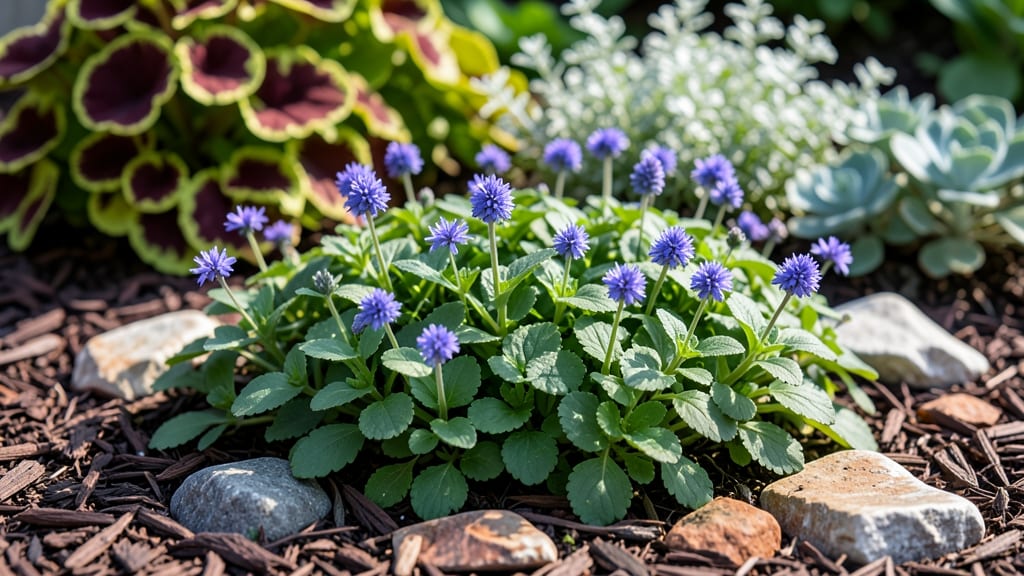
Year-round color in your flower beds starts with the right filler plants. 🌸 These easy-to-grow, low-maintenance stars—like ajuga, sweet woodruff, and creeping thyme—fill gaps perfectly while demanding almost no effort. I used them to transform my front bed from patchy to vibrant all season, and the best part?
They thrive even when you forget to water them. The secret lies in matching height, spread, and bloom times. Ajuga stays under 6 inches, spreads aggressively, and blooms purple in spring, while sweet woodruff (12 inches tall) offers fragrant white flowers in early summer.
Both handle shade and dry soil—ideal for problem spots. Layer them behind taller perennials like coneflowers or black-eyed Susans to create depth without competing.
By mixing textures and colors—deep purple ajuga with silvery thyme and soft pink creeping phlox—you’ll get a lush carpet that blooms from spring through fall. The key is spacing: plant ground covers 9-12 inches apart, letting them fill in naturally.
No more bare soil, no more weeds—just effortless beauty that keeps giving. Works in sun or shade, for beginners or busy gardeners. Once established, these fillers need almost no maintenance—just an occasional trim to keep them tidy. Here’s how to pick the perfect combo for your space!
📚 In This Guide
- What you need
- Instructions
- Tips and common mistakes
- Wrapping up and next steps
What you need
- ● Flower bed filler plants: Choose 3-5 varieties of low-growing, drought-tolerant perennials or annuals (e.g., ajuga, creeping thyme, heuchera, or lobelia). Aim for 12-18 plants per square foot for full coverage.
- ● Soil amendments: 1 part compost (for nutrients)
- ● 1 part perlite or sand (for drainage, 5-10 lbs per cubic foot of soil)
- ● Mulch: 2-3 inches of organic mulch (e.g., cedar chips, pine straw, or shredded bark).
- ● Garden trowel or hand shovel (for planting)
- ● Pruning shears (to trim plants and mulch)
- ● Rake or hoe (for soil prep)
- ● Watering can or hose with a gentle spray nozzle
- ● Gloves (to protect your hands!)
- ● Slow-release fertilizer (e.g., 10-10-10 or organic options)
- ● Edging tool (to define flower bed borders)
- ● Plant markers (to label varieties)
- ● Drip irrigation kit (for automated watering)
How to select and plant filler plants for continuous flower bed color
Here’s how to fill gaps with low-maintenance plants that bloom year-round.
🌱 Step 1: Choose Plants for Seasonal Overlap
Select filler plants that bridge seasonal gaps—pair early bloomers like heuchera (spring) with late-season sedum (fall) and evergreen ajuga for winter interest. I focus on three traits: height range (6–18 inches), light needs (full sun to partial shade), and color variety (foliage + flowers). For example, coreopsis fills summer gaps with bright yellow blooms, while lamium adds trailing purple foliage in cooler months.
Check local hardiness zones to ensure plants thrive year-round. I always test a few varieties in a small pot first—some fillers like hebe can be finicky in humid climates. Look for plants labeled as drought-tolerant or low-maintenance to minimize fuss.
🪴 Step 2: Prepare the Flower Bed Base
Remove weeds and loosen soil to a depth of 8–12 inches—this prevents root competition later. Amend the soil with 2–3 inches of compost to improve drainage and fertility, especially if your bed has heavy clay or sandy soil. I spread a 1-inch layer of mulch (like shredded bark) after planting to retain moisture and suppress weeds—just avoid piling it against stems.
Sketch a rough layout before planting: place taller fillers (like salvia) at the back, medium-height ones (like heuchera) in the middle, and low growers (like ajuga) at the front. Space plants 12–18 inches apart to allow airflow and reduce disease risk.
☀️ Step 3: Plant for Layered Visual Impact
Start with anchor plants (like shrubs or perennials) spaced 2–3 feet apart, then fill gaps with your selected fillers. Dig holes just deep enough to accommodate roots without burying the crown—most fillers prefer the soil level to match their pot depth. Water each plant deeply before backfilling to eliminate air pockets.
Here’s the trick: stagger plant heights and colors for a natural, full look. For instance, pair purple ajuga (ground cover) with white heuchera (mid-height) and red salvia (back). Water thoroughly after planting to settle the soil and encourage root growth.
💧 Step 4: Maintain Year-Round with Minimal Effort
Water newly planted fillers 1–2 times per week for the first month, then taper to once weekly once established (adjust for rain). Most fillers thrive on neglect, but I deadhead spent blooms on coreopsis and salvia to encourage continuous flowering. In fall, trim back sedum and hebe by half to promote fresh growth in spring.
Top-dress with 1–2 inches of compost in early spring to replenish nutrients. I also rotate fillers every 3–4 years to prevent soil depletion and keep the bed vibrant—swap out heuchera or ajuga clusters if they look tired.
Tips & tricks for perfect flower bed filler plant arrangements
These practical tricks will help you create a lush, low-maintenance garden that stays vibrant all year—without the guesswork.
Seasonal Layering Strategy: In Step 1, when selecting plants, consider adding evergreen fillers like boxwood or dwarf conifers (optional) for winter structure—they provide year-round color and contrast beautifully with seasonal bloomers. I like pairing hebe with sedum for a mix of texture and foliage interest that never fades completely. The key is to have at least one plant in each season's palette so you're never left with bare spots.
Soil Prep Pro Tip: For Step 2's soil amendments, if your garden has particularly heavy clay soil, mix in 1 part perlite or coarse sand to every 3 parts compost—this improves drainage while maintaining fertility. I've found that amending with worm castings (optional) instead of regular compost gives an extra nutrient boost without overwhelming young plants. The 8-12 inch loosening depth is crucial for root establishment, especially for tender fillers like coreopsis.
Planting Layout Secret: When sketching your layout in Step 3, I recommend using a grid system with 12-inch squares as your guide. This helps maintain even spacing while allowing flexibility to adjust plant positions. For example, place ajuga in the corners of your squares to create a natural border effect that frames taller plants. The 12-18 inch spacing isn't arbitrary—it creates just enough room for air circulation while preventing overcrowding as plants mature.
Maintenance Shortcut: In Step 4, instead of deadheading individual blooms, I use the "cluster method"—when about 30% of blooms on a plant like salvia have faded, I simply snip off the entire flower stalk at the base. This encourages more robust regrowth and saves time compared to picking individual spent blooms. For sedum, I find that a light trim with shears (rather than cutting back by half) maintains shape while still promoting new growth.
Pro Tips for Flower Bed Filler Plants
- These practical tricks will help you create a lush, low-maintenance garden that stays vibrant all year—without the guesswork.
- I like pairing hebe with sedum for a mix of texture and foliage interest that never fades completely.
- Soil Prep Pro Tip: For Step 2's soil amendments, if your garden has particularly heavy clay soil, mix in 1 part perlite or coarse sand to every 3 parts compost—this improves drainage while maintaining fertility.
Frequently asked questions
Got questions about flower bed filler plants? You’re not alone!
Here are answers to the most common concerns—whether you're a beginner or a seasoned gardener looking to keep your beds vibrant year-round.
What are the best low-maintenance filler plants for sunny flower beds?
For sun-loving beds, try lantana, salvia, or coreopsis—they thrive with minimal water and bloom nonstop. For shade, heuchera (coral bells) or hostas add texture and color with almost no fuss. Pro tip: Mix perennials with annuals (like calibrachoa) for instant pops of color!
When is the best time to plant filler plants for year-round color?
Spring (after the last frost) and early fall are ideal for most filler plants. Cool-season fillers (like pansies or violas) can go in late summer/early fall for winter blooms. Hot tip: Plant in staggered waves—every 4–6 weeks—to ensure continuous blooms and hide gaps!
Are there affordable alternatives to pricier filler plants?
Native wildflowers (e.g., black-eyed Susans or coneflowers) are budget-friendly, drought-tolerant, and support local pollinators. Succulents (like sedum) also stretch dollars by requiring almost no water. Money-saving hack: Buy flats of mixed annuals from discount stores—they’re often cheaper than single plants!
How do I prevent pests or diseases in my filler plant beds?
Healthy soil is your first defense—amend with compost and ensure good drainage. Neem oil or insecticidal soap tackle pests like aphids or spider mites. Prevention pro tip: Space plants properly (check tags for spacing needs) to improve airflow and reduce fungal risks like powdery mildew.
Can I use filler plants in containers or small spaces?
Yes! Compact varieties like bacopa, petunias, or dwarf marigolds thrive in pots. For small beds, opt for trailing plants (e.g., lobelia) to spill over edges. Container tip: Use a slow-release fertilizer and water consistently—containers dry out faster than ground beds!
Wrapping up and next steps
Transforming your flower beds into a vibrant, low-maintenance haven is easier than you think! With the right flower bed filler plants, you can enjoy year-round color while keeping upkeep simple—whether you're a seasoned gardener or just starting out. 🌸
Ready to take the next step? Start by sketching your flower bed layout, then pick a few of these easy-care plants to create a stunning, fuss-free display. Happy planting!