
Light Requirements
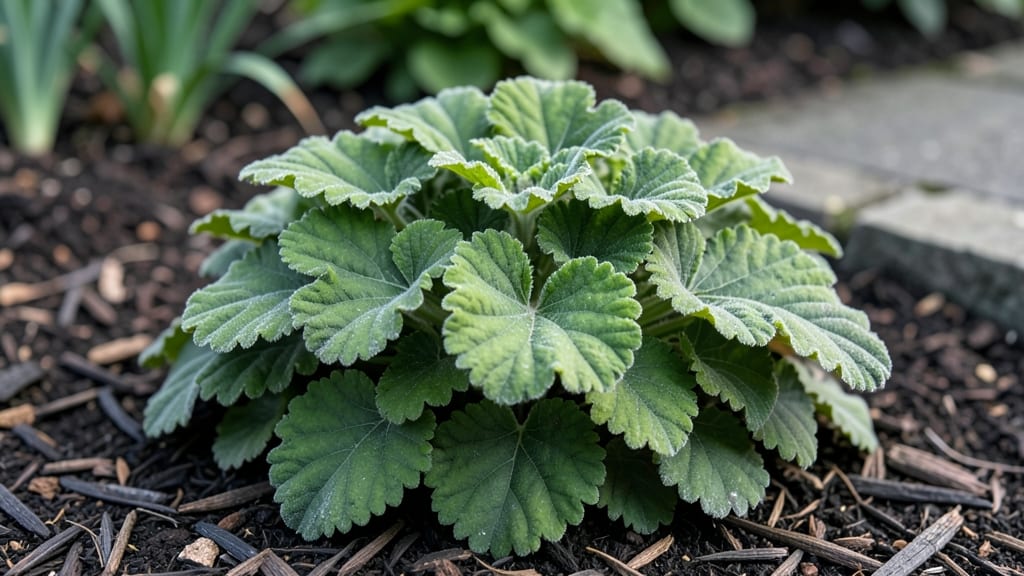
My first year growing part-shade perennials in Zone 5 turned my shady patch from dull to dazzling—without a single plant dying through winter. These cold-hardy workhorses handle our frosty springs and humid summers while still packing color and texture that rivals full-sun stars.
The key is choosing plants that naturally thrive with 3-6 hours of morning light and afternoon shade, like hostas that stay lush all summer or astilbes that bloom like fireworks in late summer.
You’ll need well-draining soil (amend with compost if yours is heavy clay) and consistent moisture—though most of these plants hate soggy roots. Mulch in early spring to protect roots as temperatures swing, and fertilize lightly in early spring with a balanced formula.
The real secret? Planting in early fall or late spring gives roots time to establish before extreme heat or cold hits. My go-to list includes hostas, astilbes, lungwort, and bleeding heart—all of which bounce back every year with minimal fuss.
What you’ll end up with is a garden that stays vibrant through June’s heat waves and September’s crisp mornings, with flowers that attract pollinators all season long. The foliage alone—deep purples, silvery blues, and chartreuse greens—creates drama even when blooms fade.
And because these plants spread slowly, they’re perfect for busy gardeners who want beauty without the upkeep of annuals.
Here’s the thing—these perennials handle our Zone 5 quirks better than most full-sun plants do. The biggest mistake I see? Overwatering once they’re established. Once roots are deep, they’re drought-tolerant, and too much love leads to rot.
Let me show you exactly which varieties perform best in my shady corner—and how to keep them thriving for decades.
📚 In This Guide
- What you need
- Instructions
- Tips and common mistakes
- Wrapping up and next steps
What you need
- ● Part-shade perennials (Zone 5 hardy): 3–5 plants per variety (e.g., Hosta, Astilbe, Heuchera, Bleeding Heart, or Japanese Forest Grass). Choose 3–5 total for a balanced look.
- ● High-quality potting mix or garden soil: 1–2 cubic yards (for in-ground planting) or 10–15-gallon bags (for containers). Opt for well-draining, organic-rich soil (amend with compost if needed).
- ● Compost or slow-release fertilizer: 5–10 lbs (10-10-10 or balanced organic fertilizer like fish emulsion).
- ○ Mulch (optional but recommended): 2–3 inches of shredded bark or pine straw to retain moisture and suppress weeds.
- ● Garden trowel or transplant spade: For digging small holes (6–12 inches deep).
- ● Garden fork or broadfork: To loosen compacted soil (rent or borrow if needed).
- ● Watering can or hose with a gentle spray nozzle: For post-planting hydration (1–2 gallons per plant).
- ● Gloves & knee pads: For comfort during planting.
- ● Measuring tape or ruler: To space plants correctly (check tags for mature sizes).
- ○ Pruners (optional): For trimming dead foliage before planting.
- ● Sunlight assessment: Confirm your garden receives 2–6 hours of direct sun daily (morning sun is ideal for part shade).
- ○ Soil test (optional but helpful): Check pH (aim for 6.0–7.0) and nutrient levels. Many Zone 5 perennials tolerate average soil but thrive with amendments.
- ● Planting timeline: Best done in early spring (April–May) or early fall (September) to avoid extreme heat or frost.
Step-by-Step guide to establishing part-shade perennials in Zone 5
Here’s how to select, prepare, and plant cold-hardy perennials that thrive in partial shade.
Choose the Right Plants for Your Microclimate
Zone 5’s part-shade conditions vary—some spots get morning sun and afternoon shade, while others stay dappled all day. I recommend starting with heuchera, astilbe, hosta, and lungwort for their adaptability. These perennials tolerate 4-6 hours of filtered light daily and handle Zone 5’s winters with ease.
Check your site’s moisture levels before selecting. Hostas and astilbes prefer consistently moist soil, while heuchera and lungwort tolerate drier conditions. If your soil drains poorly, amend it with 2-3 inches of compost before planting. This ensures roots won’t sit in cold, soggy soil during spring thaw.
Prepare the Planting Site for Cold-Hardy Growth
Clear the area of weeds and loosen the soil to a depth of 12 inches using a garden fork. This prevents compaction, which restricts root growth in Zone 5’s heavy clay soils. Work in 1-2 inches of organic matter—like leaf mold or well-aged compost—if your soil feels dense.
Test your soil’s pH if possible. Most part-shade perennials prefer slightly acidic to neutral (6.0-7.0). If your soil tests high in lime, add sulfur or peat moss to lower the pH gradually. Avoid sudden changes, as roots are sensitive to drastic shifts after planting.
Plant at the Correct Depth and Spacing
Dig holes twice as wide as the root ball but only as deep as the container’s base. This prevents burying the crown too deeply, which can cause rot in damp Zone 5 winters. Gently remove plants from containers and tease apart any circling roots—this encourages outward growth.
Space perennials according to their mature size: hostas 2-3 feet apart, heuchera 18-24 inches apart, and astilbe 18-20 inches apart. Overcrowding leads to fungal issues in humid shade. Backfill with native soil, firming lightly around the edges to eliminate air pockets. Water deeply to settle the soil.
Mulch and Protect for Zone 5’s First Winter
Apply 3-4 inches of shredded bark or straw mulch over the root zone after planting. This insulates roots from extreme cold and retains moisture during dry spells. Avoid thick layers of fresh wood chips, which can rob nitrogen from the soil as they decompose.
In the first winter, monitor for heaving—when soil freezes and expands, pushing plants out of the ground. If you notice this, gently press the soil back around the base in early spring. Most cold-hardy perennials recover well, but consistent soil contact prevents crown damage.
Tips & tricks for perfect part-shade perennial plantings in Zone 5
Establishing cold-hardy perennials in partial shade requires attention to detail—here are the key strategies that make all the difference in your Zone 5 garden.
Microclimate Analysis: Before selecting plants, observe your garden for at least a week to determine the exact shade pattern. Note whether your spot receives morning sun with afternoon shade, dappled light throughout the day, or only filtered rays. This precision helps you match heuchera (which thrives in dappled light) to the right location, while astilbe can handle morning sun better than afternoon. I've learned this the hard way after planting lungwort in full morning sun where it struggled to establish.
Soil Preparation Strategy: The 12-inch soil loosening in Step 2 is non-negotiable for Zone 5's heavy clay soils. If you're working with particularly dense soil, consider renting a tiller for larger areas—this creates better root penetration than a garden fork alone. For the 2-3 inches of compost amendment, I recommend using a mix of finished compost and leaf mold (50/50 ratio) to improve both drainage and moisture retention without compacting the soil further.
Planting Depth Technique: When planting, the "twice as wide but only as deep as the container's base" rule in Step 3 is critical. I always use a pencil to mark the planting depth on the container before removing the plant—this visual guide prevents accidental deep planting that can lead to crown rot. For hostas with particularly large root balls, gently compress the outer edges before planting to encourage outward root growth rather than circling.
Winter Protection Insight: The 3-4 inches of mulch specified in Step 4 should be applied after the ground has frozen for the first time in fall. This prevents the mulch from insulating too early and trapping moisture that could cause rot. I've found that straw mulch works better than bark in windy Zone 5 gardens—it stays put better and provides excellent insulation without compacting like heavier mulches.
Pro Tips for Part Shade Perennials Zone 5
- Establishing cold-hardy perennials in partial shade requires attention to detail—here are the key strategies that make all the difference in your Zone 5 garden.
- Microclimate Analysis: Before selecting plants, observe your garden for at least a week to determine the exact shade pattern.
- Soil Preparation Strategy: The 12-inch soil loosening in Step 2 is non-negotiable for Zone 5's heavy clay soils.
Frequently asked questions
Got questions about growing part-shade perennials in Zone 5? You’re not alone! Here are answers to the most common concerns—from planting tips to troubleshooting—so your garden thrives year after year.
What does "part shade" really mean for Zone 5 gardens?
"Part shade" typically means 3–6 hours of direct sunlight daily, with dappled light or afternoon shade ideal for many perennials. In Zone 5, where winters are harsh, part shade helps protect plants from extreme cold and hot summer sun. Look for labels like "morning sun" or "filtered light" to match your garden’s microclimate.
When is the best time to plant part-shade perennials in Zone 5?
Plant in early spring (April–May) or early fall (September–October) to avoid summer heat stress or winter freeze. Fall planting gives roots time to establish before cold sets in, while spring ensures blooms the same season. Avoid planting in extreme heat (July–August) or when soil is frozen.
What are the hardiest part-shade perennials for Zone 5 winters?
Top cold-hardy picks include heuchera (coral bells), hostas, astilbe, bleeding heart (dicentra), and foxglove (Digitalis). These thrive in Zone 5’s 20–30°F winters. For extra insurance, mulch with 2–3 inches of shredded leaves or straw after the first frost.
Why are my part-shade perennials looking leggy or not blooming?
Leggy growth or sparse blooms often signal too much shade or over-fertilizing. Move plants to a slightly sunnier spot (e.g., near a tree’s edge) or prune back leggy stems in early spring. For blooms, use a balanced, low-nitrogen fertilizer (like 10-10-10) in early spring—too much nitrogen = lush foliage, few flowers!
Can I grow part-shade perennials in containers in Zone 5?
Containers work well for hostas, heuchera, or ferns, but choose large pots (12"+ diameter) with drainage holes. Use a well-draining potting mix and move containers to a sheltered spot in winter (e.g., against a garage wall). Avoid freezing roots by wrapping pots in bubble wrap or using insulated saucers.
Pro Tip:
Test your garden’s shade with a sunlight tracker (or a white sheet of paper) for a week to map light patterns. This helps you place perennials where they’ll thrive—no guesswork!
Wrapping up and next steps
Choosing the right part-shade perennials for Zone 5 can transform your garden into a vibrant, low-maintenance oasis—even in cooler climates! 🌿 From hardy hostas to cheerful asters, these plants thrive with minimal sunlight while delivering stunning blooms year after year.
Whether you're a seasoned gardener or just starting, these cold-resistant picks make gardening easier and more rewarding.
Ready to get growing? Start small! Pick 2-3 perennials from this list, plant them in well-draining soil, and watch your garden flourish. Happy planting—and enjoy the beauty that comes back stronger every spring! 🌸