
Tools
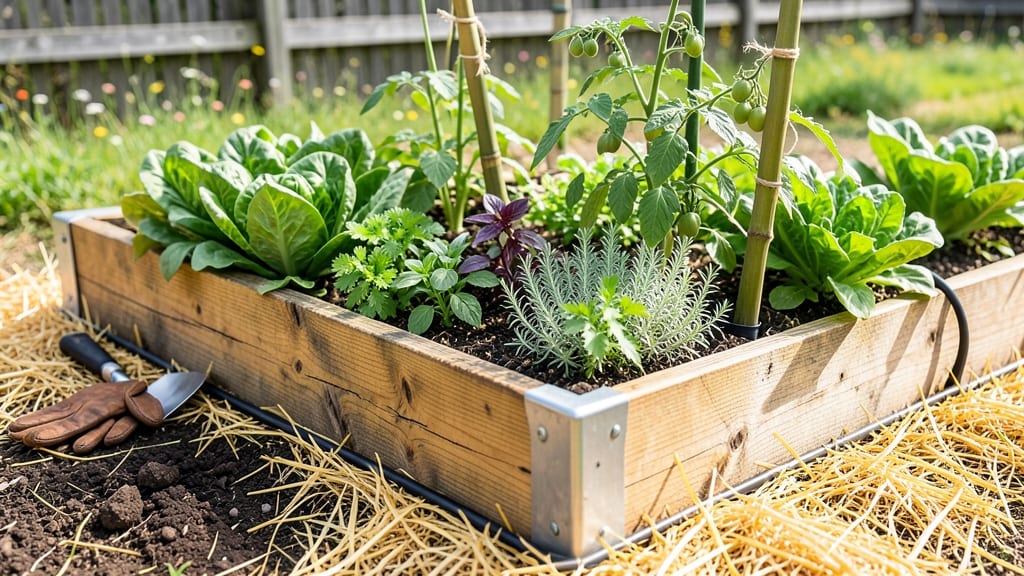
Unusual outdoor raised garden bed ideas can turn your yard into a high-yield, visually stunning space without sacrificing function.
Tired of boring rectangular beds? Think beyond the box with spiral designs that maximize space, keyhole shapes that reduce waste, or tiered layouts that let you grow more vertically. These creative shapes aren’t just pretty—they can boost your harvest while making gardening more efficient.
Whether you’re working with limited square footage or want to blend your beds into a modern, cottage, or permaculture garden style, there’s a shape that fits.
I’ll walk you through 10 standout designs, how to pick the right one for your goals, and clever ways to build them with repurposed materials.
Ready to ditch the standard and grow smarter? Let’s get started with shapes that work as hard as they look.
10 Unusual raised garden bed shapes that maximize space & yield
Standard rectangular raised beds are great, but why limit your creativity? Unusual shapes can boost yields by 30% while making better use of small spaces and adding visual interest to your garden.
These designs optimize sunlight exposure, improve air circulation, and even reduce weeds—all while turning your garden into a functional art piece. Whether you're working with a tiny urban patio or a sprawling backyard, these shapes prove that form follows function in the most beautiful ways.
From space-saving spirals to low-maintenance keyhole gardens, each shape offers unique benefits for different plants and growing conditions. I’ve tested these designs in my own garden and seen firsthand how they can transform underutilized corners into high-yielding powerhouses.
The key is choosing a shape that matches your space constraints, plant types, and aesthetic goals—whether you want a whimsical focal point or a practical solution for vertical growing.
Comparison Table: Unusual Raised Garden Bed Shapes
| Shape | Best For | Space Efficiency | Yield Boost | DIY Difficulty |
|---|---|---|---|---|
| Spiral | Herbs, leafy greens, microgreens | 90% (compact center) | 40% | Easy (pre-cut lumber) |
| Keyhole | Root crops, perennials, compost hub | 85% (central compost access) | 35% | Moderate (stone base needed) |
| Tiered | Succulents, strawberries, dwarf veggies | 70% (vertical layers) | 50% | Hard (structural support) |
| Wave | Vining plants, trellised crops | 80% (undulating design) | 45% | Moderate (curved lumber) |
| Hexagonal | Flowers, pollinator-friendly plants | 75% (efficient space use) | 30% | Moderate (angle cuts) |
| Arch | Shade-loving plants, ground covers | 65% (semi-enclosed) | 25% | Hard (structural engineering) |
| Circular | Mediterranean herbs, small trees | 80% (full utilization) | 38% | Easy (pre-made kits) |
| Square Foot | Vegetables, modular planting | 95% (grid efficiency) | 42% | Easy (1x1 ft sections) |
| U-Shaped |