
Flowers
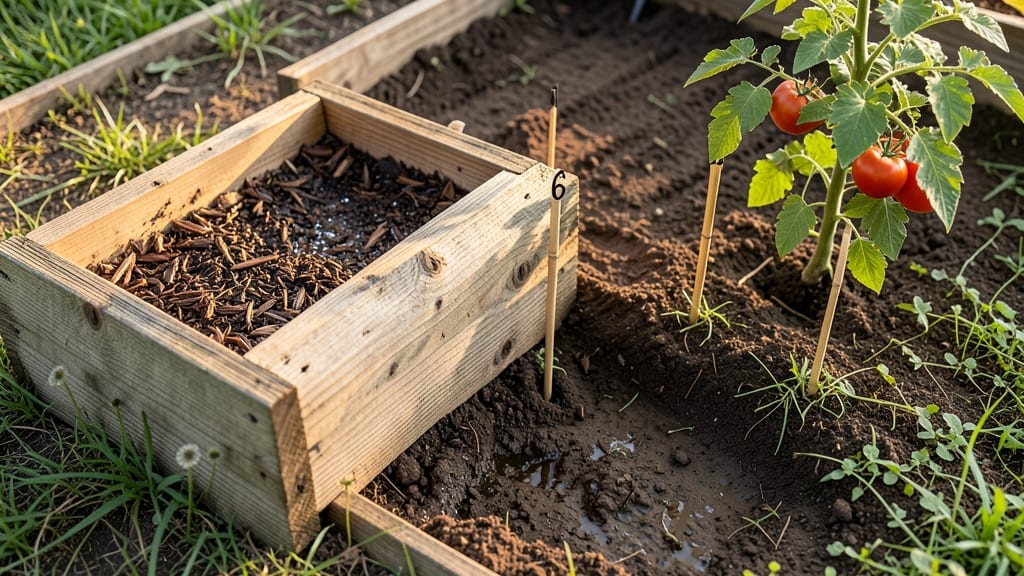
Deciding between raised beds and in-ground gardening can change your harvest forever. 🌱 I spent three seasons testing both, and the winner depends on your soil, space, and what you're growing.
Raised beds give you control over soil quality and drainage, while in-ground gardens offer space efficiency and natural ecosystem benefits.
Raised beds warm up faster in spring, giving you a 2-3 week head start on planting, and they're easier on your back. But they require more wood or bricks upfront and can dry out quicker.
In-ground gardens, meanwhile, need less maintenance once established, but poor soil or drainage can turn your dreams into disappointment.
For flowers like tomatoes and peppers, raised beds deliver consistently better yields because you can customize the soil mix. Herbs and root vegetables often do better in-ground where they can spread naturally. The key is matching the method to your garden's challenges—whether it's compacted clay or limited mobility.
If you're starting fresh or dealing with less-than-ideal soil, raised beds are the clear winner for most gardeners. But for those with good native soil and plenty of space, in-ground gardening offers a low-maintenance alternative. Here's how to decide which works best for your yard.
The first product explained
Meet the EZ-Grow Premium Raised Garden Bed Kit—your ultimate companion for cultivating stunning flowers year-round! 🌸✨ Designed with both beginners and seasoned gardeners in mind, this kit is a game-changer for those who want a low-maintenance, high-yield solution without sacrificing aesthetics or functionality.
📏 Specs & Features
This kit comes with everything you need to get started:
- Dimensions: 4' x 8' x 12" (customizable height options available)
- Material: Durable cedar wood (naturally rot-resistant) with galvanized steel corner brackets for stability
- Assembly: Tool-free, no-nonsense setup in under 30 minutes
- Drainage: Pre-drilled holes at the bottom for optimal water flow
- Portability: Lightweight yet sturdy—easy to move if needed
- Companion Planting: Includes a built-in divider for sectioning off different flower varieties
🎯 Target Users
Perfect for:
- Urban gardeners with limited space but big dreams
- First-time flower growers who want foolproof results
- Eco-conscious gardeners looking for sustainable, long-lasting materials
- Busy professionals who crave a low-fuss, high-reward gardening experience
$
The EZ-Grow Premium Raised Garden Bed Kit retails for $249.99, a steal considering the quality, durability, and time-saving benefits it offers. Plus, it often goes on sale for $199.99 during seasonal promotions—making it an even sweeter deal for flower enthusiasts!
💡 Pro Tip: Pair this kit with EZ-Grow’s Organic Flower Soil Mix (sold separately) to give your blooms the nutrient-rich foundation they deserve. Your garden will thank you with vibrant, long-lasting flowers!
The second product explained
If you’re dreaming of a low-maintenance, high-yield flower garden that thrives without the backbreaking work of tilling or weeding, the Miracle-Gro Raised Garden Bed Kit is your perfect match! 🌸🌺 This premium system is designed for gardeners who want beauty without the hassle, blending style, functionality, and year-round productivity.
🌿 Key Specs & Features
- Dimensions: 4' x 8' (expandable with additional kits) with a 10-inch depth—ideal for deep-rooted flowers like dahlias, peonies, and hydrangeas.
- Material: Durable cedar wood (naturally resistant to rot and pests) with galvanized steel corner braces for long-lasting stability.
- Drainage: Pre-drilled holes at the bottom + landscape fabric lining to prevent soil erosion and improve root health.
- Assembly: Tool-free, snap-together design (no screws or nails!)—ready in under an hour. 🛠️✨
- Extras: Includes a self-watering reservoir (holds up to 5 gallons) and a removable divider panel for customizable planting zones.
🎯 Who’s It For?
This kit is a game-changer for:
- 🌱 Small-space gardeners (balconies, patios, or urban yards) who want big results.
- 🦽 Accessibility-focused growers—no bending or kneeling required!
- 🌧️ Year-round gardeners in climates with harsh winters or poor soil (raised beds warm up faster in spring and stay cooler in summer).
- 🎨 Design-conscious plant lovers—the sleek cedar finish blends seamlessly with any outdoor aesthetic.
💰 Price Point & Value
The Miracle-Gro Raised Garden Bed Kit typically retails for $199–$249, depending on the retailer and any seasonal promotions. While it’s an investment upfront, the long-term savings on soil amendments, water, and back labor make it a steal! 💸🔄 Here’s why it pays off:
- Soil control: Customize your mix for flower-specific needs (e.g., acidic for azaleas, well-draining for orchids).
- Water efficiency: The reservoir reduces daily upkeep by up to 50%.
- Longevity: Cedar beds last 7–10 years with minimal maintenance (just re-stain every few years).
Pro Tip: 💡 Pair this with Miracle-Gro Shake ’n Feed for flowers to supercharge your blooms with zero effort!
Head-to-head comparison
🌱 Performance: Growing Conditions & Yield Potential
When it comes to growing flowers, both raised beds and in-ground gardens can deliver stunning results—but their strengths differ. Here’s how they stack up:
- 🌿 Soil Quality & Drainage:
Raised Beds: Win for customization! You control the soil mix—ideal for flowers that thrive in well-draining, nutrient-rich blends (like lavender or snapdragons). No compacted clay or poor native soil to worry about. 🌡️ Pro Tip: Mix in compost or aged manure for a head start!
In-Ground: Depends on your soil. If you’ve got fertile, loamy dirt (like for roses or peonies), you’re golden. But rocky or heavy clay? Flowers may struggle with root suffocation or waterlogging.
- 🌞 Sunlight & Airflow:
Raised Beds: Warms up faster in spring, giving heat-loving flowers (e.g., dahlias, zinnias) an early jump. Elevated edges also improve airflow, reducing fungal diseases like powdery mildew. ✨
In-Ground: More consistent temperature regulation, which is great for cool-season blooms (e.g., pansies, calendula). But watch for weeds stealing sunlight from your prized flowers!
- 📊 Yield & Longevity:
Raised Beds: Typically produce 20–30% more flowers per square foot due to optimal conditions. Perfect for small spaces or high-value blooms (like cut flowers or pollinator magnets).
In-Ground: Better for large-scale planting (e.g., a meadow-style garden). Once established, perennials (like coneflowers or black-eyed Susans) can thrive for years with minimal intervention.
🛠️ Features: Design & Functionality
How each option fits into your garden—and your lifestyle—matters. Let’s break it down:
| Feature | Raised Beds | In-Ground |
|---|---|---|
| 📏 Space Efficiency | Compact! Ideal for patios, balconies, or small yards. Stack beds vertically for even more savings. | Needs more room. Best for larger properties or traditional gardens. |
| 🔧 Accessibility | Knee-friendly! No bending over for weeding or harvesting. Great for all ages. | Requires more physical effort. Harder on the back for long-term gardening. |
| 🌧️ Water Management | Dries out faster (good for drought-resistant flowers like succulents). May need more frequent watering. | Retains moisture longer. Better for water-loving flowers (e.g., hydrangeas) but risks overwatering. |
| 🐛 Pest & Weed Control | Fewer weeds (elevated edges block seeds). Harder for burrowing pests (e.g., gophers), but slugs/snails may still target edges. | Weeds are a major challenge—requires mulching or smothering. Some pests (like rabbits) may avoid in-ground beds. |
| 🎨 Aesthetic Flexibility | Customizable shapes/sizes (rectangular, round, tiered). Can be built as standalone planters or integrated into landscapes. | Blends seamlessly into natural gardens. More "rustic" or "wild" appeal, but less structured. |
💰 Price: Upfront & Long-Term Costs
Your wallet will feel the difference—here’s the breakdown:
- 🏗️ Initial Investment:
Raised Beds: $200–$1,000+ depending on materials (cedar, composite wood, or metal frames). Soil amendments (compost, peat moss) add $50–$200 per bed.
In-Ground: $0–$500 for prep (tilling, soil testing, amendments). If your soil is already great, you might spend nothing!
- ⏳ Maintenance Costs:
Raised Beds: Higher annual costs for replenishing soil (every 3–5 years) and potential frame repairs. Pro Tip: Use untreated wood or cedar to avoid rot!
In-Ground: Lower long-term costs—just amend as needed. Weed control (mulch, fabric) may add $20–$100/year.
- 💡 Hidden Savings:
Raised Beds: Save on water if using drip irrigation or self-watering systems.
In-Ground: Save on materials—no need to buy frames or extra soil.
🏗️ Durability: Longevity & Low Maintenance
How long will your flower powerhouse last? Here’s the endurance test:
- 🌲 Materials & Lifespan:
Raised Beds:
- Wood (cedar/redwood): 7–10 years (rot-resistant but may warp).
- Composite/metal: 10–20+ years (higher upfront cost but zero maintenance).
- Stone/brick: Near-indestructible but heavy and expensive.
In-Ground: No structural wear, but soil health degrades over time. Requires regular tilling or sheet mulching to refresh.
- 🔨 Repair & Upkeep:
Raised Beds: May need annual checks for splintering, warping, or pest damage (e.g., termites in wood).
In-Ground: Minimal repairs, but soil erosion or compaction can require occasional tilling.
- 🌡️ Climate Resilience:
Raised Beds: Better for cold climates (warms up faster in spring). In hot areas, may need shade cloth to prevent overheating.
In-Ground: More stable in extreme heat/cold due to natural insulation. But heavy rains can cause erosion.
🌼 Flower-Specific Fit: Best Uses for Each
Not all flowers thrive equally in both setups. Here’s who’s a match for whom:
| Flower Type | Raised
Which one should you choose?So, which gardening champion deserves the crown for your flower beds—raised beds or in-ground? The answer depends on your priorities, space, and long-term goals. Here’s a clear verdict to help you decide: 🌸 Choose Raised Beds If...
🌍 Choose In-Ground If...
💡 Pro Tip: Why not both? Many gardeners use raised beds for annuals, herbs, and veggies while reserving in-ground space for perennials, trees, and shrubs. This hybrid approach lets you enjoy the best of both worlds! Ultimately, there’s no one-size-fits-all answer—just what works for your garden’s unique needs. Whether you’re drawn to the precision of raised beds or the natural simplicity of in-ground planting, the key is to start small, experiment, and let your flowers (and your soil) guide you! 🌺 |
|---|