
Flowers
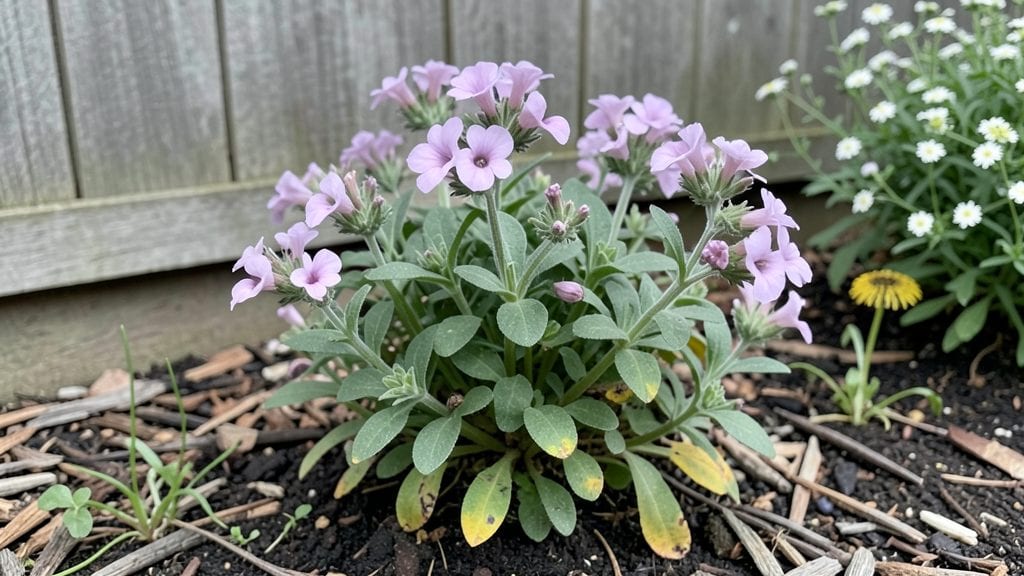
Deciding whether nemesia is annual or perennial depends on your climate: it's an annual in most regions, finishing its life cycle in one growing season, but some tropical varieties can act as tender perennials in frost-free areas with ideal growing conditions.
Nemesia's behavior as an annual stems from its sensitivity to cold temperatures—even light frosts will kill it back to the ground. 🌱 The plant prioritizes seed production before winter, which means its above-ground growth dies off naturally.
However, in warmer climates like USDA zones 10-12, the plant may persist year-round if protected from temperature drops below 50°F. This explains why gardeners in frost-free regions often treat nemesia like a perennial, though technically it's still completing its life cycle annually.
For those in cooler climates, the key to extending nemesia's season lies in strategic care. Many gardeners successfully overwinter potted plants by moving them to sheltered locations or even indoors, where they can regrow from the base in spring.
Cutting back plants before the first frost and propagating from stem cuttings are also effective ways to reuse your nemesia the following year.
💡 In This Article
- Nemesia Life Cycle: Why It’s Mostly Annual
- Extending Nemesia’s Season: Perennial-Like Care Tips
Nemesia life cycle: why it’s mostly annual
Nemesia's annual nature comes down to its deep-rooted survival strategy: prioritizing reproduction over longevity. When temperatures drop below 50°F, this plant triggers a biological shutdown, redirecting energy from leaves and stems into seed production.
The flowers themselves contain chemical signals that accelerate this process, ensuring the next generation survives even if the parent plant doesn't. This is why you'll often see nemesia producing abundant seed pods before the first frost - it's nature's way of betting on the future. 🌱
The plant's frost intolerance stems from its tropical origins in South Africa, where temperatures rarely dip below 40°F. Nemesia lacks the cold-hardy cellular adaptations found in true perennials like lavender or salvia, which can survive -10°F winters.
Even light frosts cause cell membrane damage in nemesia's delicate tissues, triggering rapid senescence (aging). The plant's shallow root system also makes it vulnerable to temperature fluctuations near the soil surface.
This explains why nemesia thrives as an annual in most USDA zones 5-9, where winter temperatures consistently fall below its 50°F threshold.
What makes nemesia's life cycle particularly interesting is how its flowering triggers this annual behavior. The plant follows a photoperiod-sensitive pattern where longer daylight hours (typical of summer) stimulate both flowering and seed production.
Once flowering begins, the plant enters its "countdown" phase, with each subsequent bloom accelerating the senescence process. This is why you'll often see nemesia plants looking healthy early in the season but declining rapidly after peak bloom - it's not disease, it's biology. 🌸
However, this annual cycle creates an important gardening opportunity: nemesia's rapid seed production means it self-sows prolifically in mild climates. In zones 10-12, these volunteer seedlings often establish themselves naturally, creating the illusion of perennial behavior.
The key difference is that these "perennial" nemesia plants are actually new annuals growing from seeds produced by previous generations. This explains why tropical varieties can appear perennial - they're constantly regenerating through this seed-based cycle rather than surviving through winter dormancy.
The science behind this involves a fascinating plant hormone called abscisic acid (ABA), which nemesia produces in response to cooling temperatures. ABA triggers the closure of stomata (leaf pores), halts photosynthesis, and redirects nutrients to developing seeds.
This hormonal cascade explains why nemesia's leaves often turn yellow and crisp before the plant dies back - it's actively preparing for its annual shutdown. 🌿 In greenhouse cultivation, maintaining temperatures above 55°F can delay this process, which is why some commercial growers treat nemesia as a semi-perennial crop.
Understanding this life cycle helps explain why nemesia performs so well as a summer annual: it's evolved to make the most of its limited growing window.
The plant's rapid growth (often reaching 12-18 inches in just 8-10 weeks) and prolific flowering (sometimes producing 50+ blooms per plant) are direct results of this annual strategy. This biological efficiency makes nemesia particularly valuable for gardeners who want immediate color without long-term commitment. 🌺