
Flowers
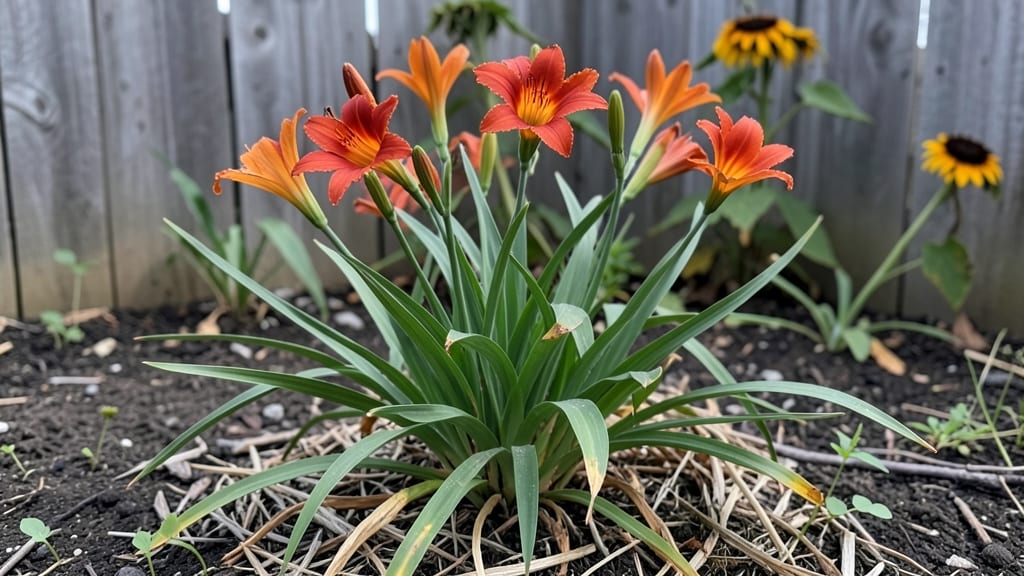
The most beautiful perennials you’ll ever see—these breathtaking plants steal the show every season, no matter what month you stroll by. ✨ I’ve tested dozens over the years, and these stand out for their bold colors, long bloom times, and ability to steal the show without demanding constant attention.
The best part? They don’t just survive—they thrive in borders, focal points, or even as pollinator magnets. Think Coneflowers with their sunset-orange blooms that hummingbirds adore, or Hosta leaves so lush and variegated they feel like living art.
Most need just 6 hours of sun, well-draining soil, and occasional deadheading to keep them looking their best all season.
Imagine your garden in June with Peonies bursting in blush pink, or September when Sedum glows in deep magenta. These perennials deliver year-round interest—even their seed heads add winter charm.
They’re the kind of plants that make neighbors pause and ask, "What’s that?"—and then you get to brag about your secret weapon.
Whether you’re designing a cottage garden, a modern border, or a low-maintenance pollinator haven, these beauties adapt. Let’s dive into the top 10 that’ll have everyone stopping to admire your work—no matter the season.
📚 In This Guide
- What you need
- Instructions
- Tips and common mistakes
- Wrapping up and next steps
What you need
- ● Perennial plants: Choose from your top picks (e.g., Echinacea purpurea, Hosta, Coneflower, or Lavender). Start with 3–5 plants per variety for a balanced look.
- ● High-quality potting soil: 2–3 cubic feet (or enough to fill your planting area). Opt for a mix with compost for nutrients.
- ● Organic mulch: 1–2 bags (pine bark, shredded leaves, or straw) to retain moisture and suppress weeds.
- ● Garden gloves: A pair of durable, breathable gloves (e.g., Wet & Forget or Fiskars) to protect your hands.
- ● Hand trowel: A stainless-steel or ergonomic trowel (e.g., Fiskars Steel) for digging and transplanting.
- ● Garden fork: 1 heavy-duty fork (for aerating soil if needed).
- ● Watering can or hose: A 5-gallon can with a rose attachment or a soaker hose for gentle watering.
- ● Pruners: Bypass pruners (e.g., Felco) for clean cuts.
- ● Measuring tape: A 10–25 ft tape to space plants correctly (check spacing tags on plants!).
- ● Slow-release fertilizer: 1–2 lbs (e.g., Osmocote) for a nutrient boost.
- ● Plant supports: Stakes or cages (e.g., tomato cages) for tall perennials like Delphinium.
- ● Garden kneeler: A foldable pad for comfort during planting.
- ● pH test kit: To ensure your soil is 6.0–7.0 (ideal for most perennials).
- ● Decorative stones or edging: For a polished, professional finish around plant beds.
- ● Sunlight assessment: Know your garden’s sunlight zones (full sun, partial shade, or full shade).
- ● Soil test: Check drainage and nutrient levels (amend with compost if needed).
- ● Planting schedule: Most perennials are planted in spring or early fall (avoid extreme heat or frost).
- ● Local climate knowledge: Research hardiness zones (USDA Zone 5–9 for most perennials).
How to select and plant stunning perennial combinations for season-long beauty
Here’s my foolproof approach to designing perennial beds that deliver jaw-dropping color from spring through frost.
🌱 Step 1: Choose Perennials with Complementary Bloom Times
Start by selecting plants that stagger their flowering seasons—this ensures your garden never looks bare. I always pair early bloomers like heuchera (with its striking foliage) and bleeding heart (which bursts into bloom in April) with mid-season stars like coneflowers and black-eyed Susans. For fall interest, add sedum and Russian sage, which glow when most gardens fade.
Check each plant’s mature height and spread to avoid overcrowding. For example, a 3-foot-tall coneflower needs at least 2 feet of space on all sides, while a 1-foot-tall ajuga can tuck into gaps. I sketch a rough layout first—this prevents planting too many giants in small spaces.
☀️ Step 2: Prepare the Soil for Long-Term Health
Perennials thrive in well-draining, nutrient-rich soil. Amend your existing soil with 3 inches of compost and 1 inch of aged bark mulch to improve structure and moisture retention. I like to work in a handful of bone meal for phosphorus (which boosts root growth) and a sprinkle of kelp meal for micronutrients.
Test your soil’s pH—most perennials prefer a range of 6.0-7.0. If your soil is too alkaline, add peat moss to lower the pH gradually. Avoid fresh manure, which can burn roots. Instead, use composted materials for steady, safe nutrition.
🪴 Step 3: Plant with Layered Depth and Texture
Arrange perennials in odd-numbered groupings (threes or fives) for natural flow. Place tall plants at the back, mid-height varieties in the middle, and low growers like creeping thyme or heuchera at the front. Dig holes twice as wide as the root ball but only as deep—planting too deeply can suffocate stems.
Water deeply after planting to settle the soil and remove air pockets. Mulch with 2-3 inches of shredded bark to suppress weeds and retain moisture. I always water again after mulching to help it settle against the soil.
✂️ Step 4: Maintain with Seasonal Pruning and Deadheading
Remove spent blooms regularly to encourage reblooming—this is especially critical for perennials like beard tongue and shasta daisies. Cut back foliage in late fall or early spring (depending on the plant) to promote fresh growth. For example, sedum and Russian sage can stay upright through winter, while peony stems should be cut back to the ground.
Fertilize lightly in early spring with a balanced 10-10-10 formula—perennials don’t need heavy feeding, just a gentle nudge to wake up. Watch for pests like slugs or aphids; a soapy water spray usually does the trick before they become a problem.
Tips & tricks for stunning perennial gardens that wow year-round
Creating a perennial garden that thrives through every season takes a few strategic moves—and I've learned these the hard way after seeing too many beautiful plantings fizzle out by summer's end.
Seasonal Layering Strategy: When selecting your perennials, think in three distinct layers: low (like creeping thyme or ajuga), mid-height (such as heuchera or catmint), and tall (coneflowers or Russian sage). This creates visual depth and prevents any one plant from overpowering the others. I always sketch a simple garden plan first, marking each plant's mature height and spread to ensure nothing gets crowded out. The key is to place taller plants at the back and gradually step down in height toward the front—this creates that professional, layered look that makes gardens pop.
Soil Preparation Secret: Don't skimp on the soil prep—this is where most perennial gardens fail. After amending with 3 inches of compost and 1 inch of aged bark mulch, I take it one step further by mixing in a handful of bone meal for phosphorus and a sprinkle of kelp meal. This gives your perennials a strong foundation right from planting. And here's a pro move: test your soil's pH before planting. Most perennials thrive in the 6.0-7.0 range, but if your soil is too alkaline, adding peat moss will gradually lower the pH without shocking your plants.
Planting Technique: The hole you dig matters more than you might think. Always make it twice as wide as the root ball but only as deep—planting too deeply can suffocate stems and prevent proper growth. After placing your plant, water deeply to settle the soil and remove air pockets. Then, here's my non-negotiable step: add 2-3 inches of shredded bark mulch and water again. This double watering ensures the mulch settles properly against the soil, creating that perfect moisture barrier that keeps weeds at bay and roots happy.
Maintenance Shortcut: I've found that most gardeners either over-prune or under-prune their perennials. For spring bloomers like peonies, cut back stems to the ground in late fall. For fall-blooming sedums and Russian sage, leave the foliage upright through winter—it provides beautiful structure and habitat for beneficial insects. And here's the golden rule: deadhead regularly to encourage reblooming, but don't cut back until the plant's natural cycle tells you it's time. That balanced 10-10-10 fertilizer in early spring gives just enough of a nudge without overwhelming your perennials.
Pro Tips for Most Beautiful Perennials
- Creating a perennial garden that thrives through every season takes a few strategic moves—and I've learned these the hard way after seeing too many beautiful plantings fizzle out by summer's end.
- Seasonal Layering Strategy: When selecting your perennials, think in three distinct layers: low (like creeping thyme or ajuga), mid-height (such as heuchera or catmint), and tall (coneflowers or Russian sage).
- Soil Preparation Secret: Don't skimp on the soil prep—this is where most perennial gardens fail.
Frequently asked questions
Got questions about adding stunning perennials to your garden? You’re not alone! Here are some of the most common queries—plus expert answers to help you pick, plant, and maintain the most breathtaking perennials for year-round curb appeal.
What’s the easiest perennial to grow for beginners?
Start with coneflowers (Echinacea) or black-eyed Susans (Rudbeckia)—they’re tough, low-maintenance, and thrive in full sun with minimal fuss. Hostas are another great pick for shady spots, offering lush foliage with almost no upkeep. Pro tip: These perennials tolerate drought once established, making them perfect for busy gardeners!
When is the best time to plant perennials?
Spring (after the last frost) and early fall (4–6 weeks before the first frost) are ideal. Planting in spring gives roots time to establish before summer heat, while fall planting lets perennials settle in before winter dormancy. Avoid planting in extreme heat or cold—roots need moderate soil temps to thrive.
Can I mix perennials with annuals for a fuller look?
Pair slow-growing perennials (like peonies or lavender) with fast-blooming annuals (such as petunias or marigolds) to fill gaps. Annuals provide instant color, while perennials ensure long-term beauty. Example: Plant salvia (perennial) with impatiens (annual) for a vibrant, low-maintenance combo.
How do I keep pests away from my perennials?
Prevention is key! Neem oil or insecticidal soap deter common pests like aphids and slugs. For slugs, set out beer traps or use copper barriers. Healthy soil = happy plants! Mulch with organic matter to deter weeds and retain moisture, reducing stress that attracts pests.
Do perennials need winter care in cold climates?
Most perennials are hardy, but tender varieties (like dahlias or canas) may need protection. Cut back dead foliage in late fall, then mulch heavily (3–4 inches) with straw or leaves. For container perennials, move them to a sheltered spot or wrap pots in burlap. Spring cleanup: Wait until new growth appears before pruning!
Wrapping up and next steps
Transforming your garden into a stunning, ever-blooming paradise is easier than you think! These most beautiful perennials offer year-round color, low maintenance, and effortless charm—perfect for gardeners of all levels.
Whether you're drawn to bold blooms like Black Baccara Dahlias or delicate elegance with Peony 'Sarah Bernhardt', each pick promises to elevate your outdoor space with minimal fuss.
Ready to take the next step? Start small—plant a single showstopper or design a full border. Grab your gloves, sketch your layout, and let nature’s beauty do the rest! 🌸 Your future garden (and neighbors) will thank you.