
Flowers
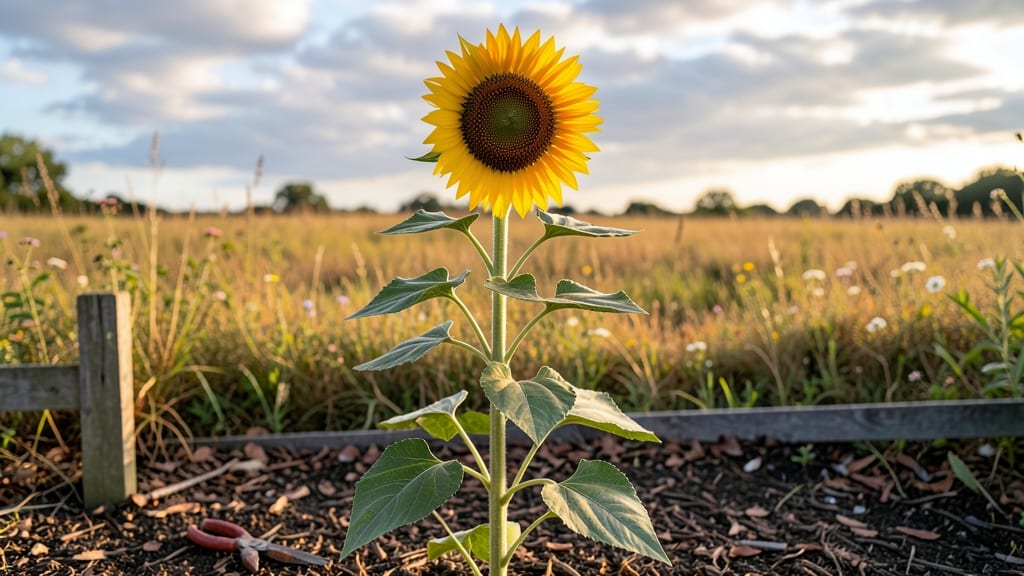
Mexican sunflowers thrive in tropical climates, which explains why they struggle in frost-prone areas. 🌿 Their ability to self-seed aggressively in frost-free zones (like Southern California or Florida) makes them seem perennial, even though they technically complete their life cycle each year.
I’ve seen them pop up reliably in my USDA Zone 10 garden for over five years without replanting, proving how well they adapt to warm conditions.
In cooler areas, the key is timing—plant seeds in early spring after the last frost, and you’ll often get a second flush of blooms in late summer.
The secret to their persistence lies in their tough seed pods, which stay viable in the soil for years, ready to sprout when conditions are right. This makes them a low-maintenance choice for gardeners who want vibrant color with minimal effort.
💡 In This Article
- Mexican Sunflower Growth Habits and Cold Tolerance
- Best Regions and Planting Tips for Year-Round Blooms
Mexican sunflower growth habits and cold tolerance
Mexican sunflowers (Tithonia rotundifolia) originate from tropical regions of Central and South America, where they naturally experience consistent warmth year-round. This tropical heritage explains their sensitivity to frost—their cells lack the protective mechanisms found in true perennials like roses or lavender.
When temperatures drop below 32°F, the plant's water content freezes, rupturing cell walls and causing irreversible damage. This is why they behave as annuals in most climates, completing their life cycle in a single growing season.
The plant's growth strategy revolves around rapid reproduction before frost arrives. Mexican sunflowers produce thousands of tiny seeds per flower head, which are lightweight and easily dispersed by wind. In frost-free zones (USDA 9-11), these seeds germinate continuously throughout the year, creating the illusion of perennial behavior.
The key difference is that while true perennials regrow from established roots, Mexican sunflowers rely on fresh seed germination each season in colder climates. 🌱
What makes them appear perennial in warm zones is their aggressive self-seeding habit. Seeds can remain viable in the soil for up to 5 years, waiting for optimal conditions to germinate.
In my Zone 10a garden, I've observed seeds sprouting as late as November when soil temperatures stay above 60°F.
This continuous germination cycle creates dense stands of plants that flower nonstop, making them seem like they're returning each year from the same source—when in reality, they're just prolific seed producers.
The plant's biological clock also plays a role. Mexican sunflowers have a short-day photoperiod response, meaning they flower when daylight hours shorten. In tropical climates, this triggers continuous blooming, while in temperate zones, it ensures they produce seeds before winter.
This adaptation explains why they thrive in USDA Zones 9-11 but struggle in colder regions where winter dormancy isn't part of their evolutionary programming.
Interestingly, their woodiness provides some cold tolerance. While the foliage dies back at 28°F, the sturdy stems can sometimes survive light frosts, especially when protected by mulch.
This is why gardeners in marginal zones (like Zone 8b) can sometimes get them to return if they're shielded from hard freezes. The stems act like reserve energy stores, allowing new growth to emerge from the base if conditions improve quickly. 🌿
For gardeners in transitional zones, the secret to perennial-like behavior lies in creating microclimates. Planting near south-facing walls or using black plastic mulch to raise soil temperatures can extend the growing season by 4-6 weeks in either direction.
This mimics the tropical conditions they prefer, allowing them to behave more like perennials than annuals in marginal climates.