
Shrubs
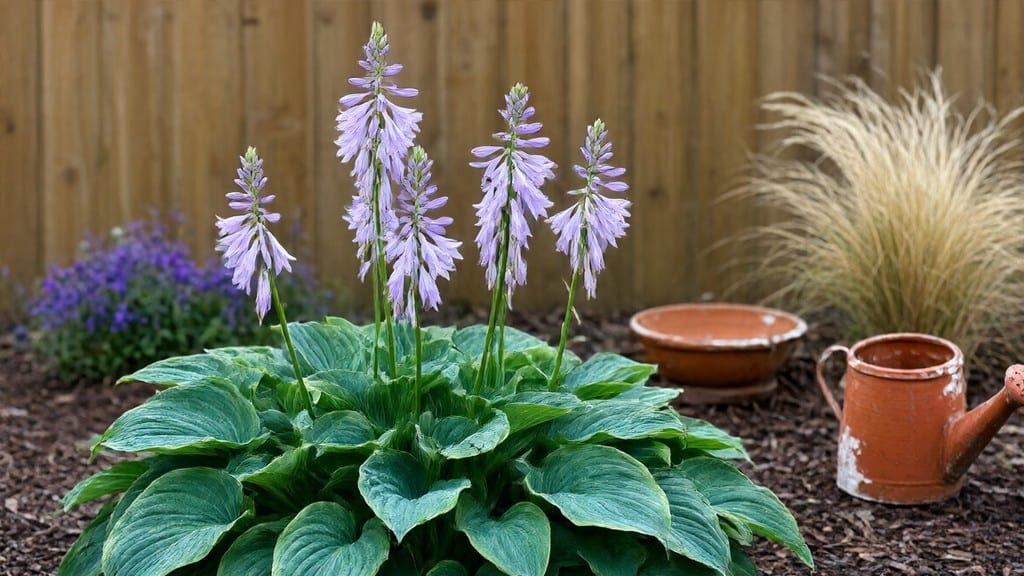
Mostly shade perennials turn dim corners into lush, vibrant spaces without demanding constant care. 🌿 I’ve filled my own shady borders with plants that return year after year, their foliage and flowers brightening spots where sun barely reaches.
The key isn’t just picking shade-tolerant plants—it’s choosing ones that complement each other in height, texture, and bloom time to create a living tapestry.
These perennials thrive with minimal fuss: 6-8 hours of dappled light is often all they need, and most handle moist, well-draining soil better than dry or compacted ground.
Think hostas with their velvety leaves, astilbes that flutter like pink plumes, and heucheras with jewel-toned foliage—each brings something unique to the shade garden. The best part? They multiply over time, giving you more plants for free while keeping maintenance low.
By layering these plants—tall astilbes at the back, medium hostas in the middle, and low-growing ajuga as ground cover—you create depth and movement that draws the eye. The blooms arrive in waves: early spring with bleeding heart, summer with foxglove, and late season with Japanese anemone.
Even when not in flower, the foliage provides year-round interest, especially in those tricky spots where sunlight is scarce.
Whether you’re lining a woodland garden, softening a fence line, or brightening a patio corner, these perennials deliver color, texture, and structure with almost no effort. The secret? Start small, group them by sunlight needs, and let them spread naturally.
Your shady spots will thank you—and so will your neighbors who’ll wonder how you made magic happen in the darkest corners.
📚 In This Guide
- What you need
- Instructions
- Tips and common mistakes
- Wrapping up and next steps
What you need
- ● Shade-tolerant perennial plants: 5–10 mature plants (e.g., Hosta, Astilbe, Heuchera, Ferns, or Bleeding Heart). Choose based on your shade level (partial to full).
- ● High-quality potting soil: 2–3 bags (1–2 cubic feet each) or a mix of 50% garden soil + 50% compost for better drainage.
- ● Organic mulch: 1–2 bags of shredded bark or wood chips (2–3 inches thick) to retain moisture and suppress weeds.
- ● Slow-release fertilizer: 1 bag of balanced 10-10-10 or organic options (follow package rates).
- ● Garden gloves & knee pads: 1 pair each (for comfort and protection).
- ● Hand trowel or transplant spade: 1 (for digging small holes).
- ● Pruners: 1 pair (for trimming dead foliage or shaping plants).
- ● Garden hose or watering can: 1 (with a gentle spray nozzle).
- ● Measuring tape or ruler: 1 (to space plants 12–24 inches apart, depending on variety).
- ● Wheelbarrow or bucket: 1 (for mixing soil or hauling mulch).
- ● Soil pH test kit: To check if your soil needs amendments (e.g., lime for acid-loving plants like Azaleas).
- ● Epsom salt: A small bag for magnesium boosts (especially for Hostas or Ferns).
- ● Decorative stones or edging: For a polished look around plant beds.
- ● Drip irrigation system: To automate watering in dry spells.
How to design a thriving perennial garden in mostly shade
Here's how I transform dim garden spots into lush, low-maintenance displays using shade-tolerant perennials.
🌱 Step 1: Select the Right Perennials for Your Light Conditions
Not all shade is equal—differentiate between dappled shade (filtered light) and deep shade (minimal light). For dappled shade, choose astilbe, lungwort, and foamflower—they tolerate brief sun exposure but thrive in partial shade. In deep shade, opt for hostas, ferns, and hellebores, which flourish with less than 3 hours of direct light daily. I always group plants by their light needs to avoid competition.
Check the mature size of each plant—crowding leads to disease and weak growth. Space hostas 18-24 inches apart, ferns 12-18 inches apart, and hellebores 12-16 inches apart to allow airflow and prevent fungal issues. This spacing also makes maintenance easier later.
🪴 Step 2: Prepare the Soil for Shade-Loving Plants
Shade gardens need rich, well-draining soil with high organic matter—amend your existing soil with 3-4 inches of compost mixed into the top 12 inches of soil. I use a garden fork to loosen compacted areas, then blend in compost and peat moss (for moisture retention) to create a loose, crumbly texture. Test your soil’s moisture—it should feel like a wrung-out sponge, not soggy or bone-dry.
For heavy clay soil, add sand or perlite to improve drainage. If your soil is sandy, incorporate peat moss or coconut coir to retain moisture. Avoid fresh mulch directly on soil—wait until planting to apply 2-3 inches of shredded bark mulch around plants to suppress weeds and regulate soil temperature.
☀️ Step 3: Plant Perennials at the Correct Depth and Spacing
Dig holes twice as wide as the root ball but only as deep as the container’s root level—planting too deep suffocates roots, while too shallow exposes them to drying. Gently remove plants from containers and tease apart any circling roots with your fingers. Place each plant in its hole, ensuring the top of the root ball sits level with the surrounding soil—never bury the crown.
Backfill with native soil mixed with a handful of slow-release fertilizer (like 10-10-10) to encourage strong root establishment. Water deeply to settle the soil, then add 2-3 inches of mulch, keeping it 2 inches away from stems to prevent rot. This layer locks in moisture and keeps roots cool in summer.
💧 Step 4: Water and Maintain for Long-Term Success
Water deeply once a week (or more in extreme heat) until the top 6 inches of soil feel moist—shade perennials need consistent moisture but hate soggy roots. I use a soaker hose to deliver water slowly at the base, avoiding wetting foliage (which invites fungal diseases like powdery mildew). Early morning watering is best—it reduces evaporation and gives plants time to dry before nightfall.
Fertilize once in early spring with a balanced, slow-release fertilizer (like 5-5-5) to support new growth. Avoid high-nitrogen fertilizers—they promote leafy growth at the expense of flowers. Deadhead spent blooms on astilbe and hellebores to encourage more flowers, but leave ferns and hostas alone—their foliage is their appeal.
✂️ Step 5: Prune and Divide as Needed
Most shade perennials need minimal pruning—cut back dead or yellowed foliage in early spring before new growth emerges. For astilbe and foamflower, trim back stems by half after flowering to maintain shape. Hostas rarely need pruning unless leaves turn brown—simply snip them off at the base in late fall.
Divide crowded clumps every 3-4 years in early spring or fall—dig up plants, separate roots with a sharp knife, and replant sections in fresh soil. This rejuvenates growth and prevents disease. I always replant divisions in the same spot or share them with fellow gardeners—shade perennials spread easily and thrive when given space.
Tips & tricks for perfect shade perennial gardens
Here's what I've learned after transforming countless dim corners into vibrant shade havens—these details make all the difference between a struggling garden and one that thrives effortlessly.
Light Condition Mastery: The 3-hour daily light threshold for deep shade plants is absolute—don't exceed this or your hellebores and ferns will struggle. I've seen gardeners accidentally plant sun-loving perennials in these spots and wonder why they fail. Use a light meter or observe your space throughout the day to categorize areas correctly. For transitional zones (3-6 hours of light), consider adding lungwort or foamflower—they bridge the gap beautifully between full shade and partial sun.
Soil Texture Secrets: That 3-4 inches of compost mixed into the top 12 inches of soil isn't just about nutrients—it's about creating the perfect crumbly texture that mimics a forest floor. I've ruined shade gardens by skipping this step, leading to compacted soil that suffocates roots. For clay-heavy soils, mix in perlite at a 1:1 ratio with compost to prevent waterlogging, which shade plants particularly hate. The "wrung-out sponge" moisture test is your best friend here.
Planting Depth Precision: Getting the planting depth right prevents more shade garden failures than you'd think. The crown should always sit at soil level—never buried, never exposed. I've seen hostas planted too deep develop rot, while those planted too shallow dry out quickly. Use a small stake to mark the correct depth before planting, especially when working with multiple varieties that have different root structures.
Watering Strategy: That weekly deep watering isn't just about quantity—it's about timing and technique. I've learned the hard way that watering in the evening can leave foliage damp overnight, inviting fungal diseases. Early morning watering gives plants time to dry completely, while using a soaker hose delivers moisture directly to roots without wetting leaves. For extreme heat waves, increase to twice-weekly watering but never let water pool around stems.
Pro Tips for Mostly Shade Perennials
- Here's what I've learned after transforming countless dim corners into vibrant shade havens—these details make all the difference between a struggling garden and one that thrives effortlessly.
- Light Condition Mastery: The 3-hour daily light threshold for deep shade plants is absolute—don't exceed this or your hellebores and ferns will struggle.
- Soil Texture Secrets: That 3-4 inches of compost mixed into the top 12 inches of soil isn't just about nutrients—it's about creating the perfect crumbly texture that mimics a forest floor.
Frequently asked questions
Got questions about keeping your shady spots lush and blooming? Here are some of the most common queries about mostly shade perennials—plus straightforward answers to help you garden with confidence!
What are the best low-light perennials for beginners?
Start with hostas, heucheras, astilbes, or foamflowers—they’re hardy, forgiving, and thrive in 2–6 hours of dappled shade. For color, try bleeding hearts (Dicentra) or Japanese painted ferns. These plants handle moisture well and require minimal fuss!
How long does it take for shade perennials to establish?
Most perennials take 1–2 years to fully establish, though some like hostas or heucheras may show signs of growth in their first season. Patience pays off—focus on consistent watering (especially in the first year) and mulching to protect roots. By year two, you’ll see bold foliage and blooms!
Do shade-loving plants need extra watering?
Not always! Many perennials like lungwort (Pulmonaria) or sweet woodruff tolerate dry shade once established. However, newly planted or container-grown perennials need regular watering (about 1 inch per week). Test soil moisture—if the top 1–2 inches feel dry, it’s time to water deeply.
Can I grow shade perennials in total darkness?
Most perennials need some light—even filtered or reflected sunlight. For deep shade (under 2 hours of light), opt for ferns (e.g., Osmunda), Hellebores, or Lamium. If your spot is pitch-black, consider ground covers like ajuga or pachysandra instead
How do I keep pests away from my shade garden?
Slugs and snails love tender shade perennials! Prevent them with copper tape barriers, diatomaceous earth, or beer traps. For aphids on heucheras, spray with soapy water or introduce ladybugs. Healthy soil (rich in compost) also boosts plant resilience against pests.
Can I divide shade perennials to spread them?
Most shade perennials—like hostas, astilbes, or coral bells (Heuchera)—thrive when divided every 3–5 years. Do it in early spring or fall, using a sharp spade to lift clumps, then replant sections with room to grow. Pro tip: Water well after dividing to reduce shock!
Wrapping up and next steps
Transforming your shady spots into vibrant gardens is easier than you think! Mostly shade perennials offer low-maintenance beauty with minimal effort—just the right soil, water, and a little patience. Whether you’re a gardening newbie or a seasoned pro, these hardy plants bring color and life to areas where others struggle.
Ready to dive in? Start small—pick one or two perennials to test your space, then expand as you gain confidence. Your dim corners deserve a glow-up! 🌿✨