
Flowers
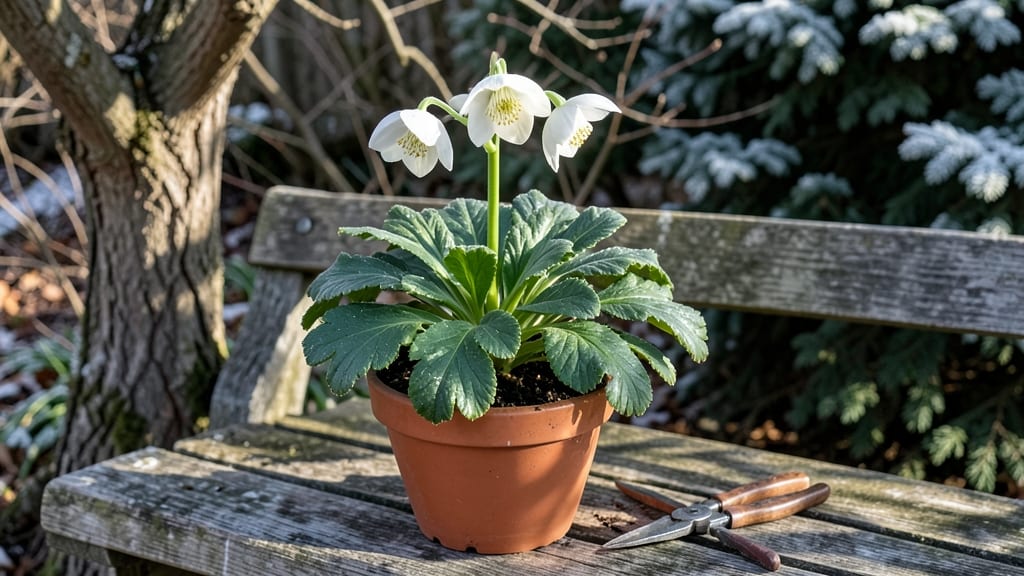
Low sun perennial flowers transform shady spots into lush, vibrant displays without demanding extra sunlight. 🌿 I’ve filled my woodland garden with these tough beauties—plants like hostas, astilbes, and bleeding hearts that thrive where sunstruck annuals would wilt.
The secret lies in their ability to stretch toward light while still delivering bold colors and textures that brighten dark corners.
These perennials handle 3-6 hours of morning sun or dappled shade all day, making them perfect for under trees or north-facing beds. Most prefer moist, well-draining soil—think leaf mulch and compost to keep roots happy without fuss.
My go-tos include Hosta ‘Blue Angel’ for deep green foliage and Astilbe ‘Fanal’ for feathery pink plumes that last from summer into fall.
You’ll create a garden that feels alive year-round: spring’s delicate blooms, summer’s lush foliage, and autumn’s fiery hues. Pair bleeding hearts with ferns for a romantic woodland vibe, or mix heucheras with Japanese painted ferns for striking foliage contrast.
The best part? Once established, these plants need almost no maintenance—just occasional deadheading and mulch.
Works in containers, borders, or woodland gardens—even in Zone 3 climates. Start small with a few favorites, then expand as you discover what thrives in your shade. The payoff? A garden that’s always in bloom, even where others give up.
📚 In This Guide
- What you need
- Instructions
- Tips and common mistakes
- Wrapping up and next steps
What you need
- ● Perennial flowers: Choose hostas, heucheras, astilbes, bleeding hearts, or foxgloves (3–5 plants per variety for balanced coverage). Opt for nursery-grown (not wild-collected) to ensure hardiness.
- ● High-quality soil: 2–3 bags of organic compost or peat-free potting mix (50–70 lbs total) to improve drainage and fertility.
- ● Mulch: 2–3 cubic feet of shredded bark or pine needles to retain moisture and suppress weeds.
- ● Tools: A garden trowel (for planting small roots).
- ● A hand pruner (for trimming dead foliage).
- ● A garden hose with a spray nozzle (or watering can for precision).
- ○ Gloves (optional but recommended for thorny plants like berberis).
- ● Slow-release fertilizer: 1–2 lbs of 10-10-10 NPK (apply once in early spring).
- ● Edging stones: Flat river rocks or bricks to define garden beds (if planting in rows).
- ● Drip irrigation kit: For automated watering (ideal for large gardens).
- ● Shade cloth: Lightweight 30–50% coverage if your area gets partial sun.
Step-by-Step guide to planting low sun perennial flowers
Here’s how I create a thriving low-light perennial garden that blooms reliably year after year.
🌱 Step 1: Select the Right Perennials for Low Sun
Choose shade-tolerant varieties like heuchera (coral bells), hosta, astilbe, or bleeding heart—these thrive with 4-6 hours of indirect light daily. I always opt for multi-season performers that offer foliage interest even when not in bloom. Check the back of seed packets or plant tags for light requirements—some labeled "part shade" still need morning sun to prevent leggy growth.
For maximum impact, mix textures and heights: place tall astilbe (2-3 feet) at the back, mid-height heuchera (1-2 feet) in the middle, and low-growing ajuga (6-12 inches) along the front. This creates visual layers without competing for light. I avoid sun-loving perennials like daylilies or coneflowers—they’ll sulk in low light and flop.
🪴 Step 2: Prepare the Soil and Planting Site
Test your soil’s moisture retention—low sun areas often stay damp, so amend with 2-3 inches of compost to improve drainage while retaining moisture. I spread the compost evenly across the bed and mix it into the top 6 inches of soil using a garden fork. This prevents waterlogging while keeping roots cool.
For containers, use a well-draining potting mix (never garden soil) and add perlite or sand to prevent compaction. Plant in late spring or early fall when temperatures are mild—avoid summer heat, which stresses newly planted perennials. Dig holes twice as wide as the root ball but only as deep—planting too deep suffocates roots.
☀️ Step 3: Position Plants for Light and Airflow
Arrange plants so their canopy spreads evenly—this prevents inner stems from stretching toward light. I space hostas 18-24 inches apart and astilbe 18-30 inches apart, depending on mature size. Group foliage plants (like heuchera) together and bloomers (like astilbe) separately to highlight their textures and colors.
Leave 6-12 inches of space between plants and nearby structures (like fences or walls) to allow air circulation. Poor airflow invites fungal diseases like powdery mildew, which thrives in damp, shaded conditions. Water deeply at planting to settle the soil around roots—top inch should feel moist but not soggy after watering.
💧 Step 4: Water and Mulch for Long-Term Success
Water deeply once a week (or more in extreme heat) until the top 6 inches of soil feels consistently moist. Low sun perennials need steady moisture but hate soggy roots, so always check before watering. I use a soaker hose to deliver water slowly at the base—this prevents leaf diseases caused by overhead sprinklers.
Apply 2-3 inches of mulch (like shredded bark or pine needles) to retain moisture and suppress weeds. Keep mulch 2 inches away from plant stems to prevent rot. Replenish mulch annually—it breaks down faster in damp conditions. This step is critical: proper mulching reduces watering by 30-50% in the first year.
✂️ Step 5: Prune and Maintain for Year-Round Beauty
Cut back dead or damaged foliage in early spring before new growth emerges. I also trim spent blooms (like astilbe) to encourage a second flush of flowers later in the season. For heuchera, I remove yellowed leaves in late winter to reveal fresh growth underneath.
Fertilize lightly in early spring with a balanced, slow-release fertilizer (10-10-10). Over-fertilizing in shade leads to lush foliage but few flowers. I avoid granular fertilizers—they can burn roots in damp soil. Instead, I use liquid fertilizer diluted to half strength and apply it to the soil, not the leaves.
Tips & tricks for perfect low sun perennial gardens
These simple strategies will help you create a thriving shade garden that blooms beautifully with minimal effort.
The Light Factor: Pay close attention to the 4-6 hours of indirect light requirement—this is non-negotiable for these perennials. Morning sun is ideal because it's less intense than afternoon rays. If your area gets only 3-4 hours, choose ajuga or heuchera which are more tolerant of deeper shade. I've seen bleeding heart struggle with less than 4 hours, so don't be afraid to move it if you notice leggy growth reaching upward.
Soil Preparation Secret: When amending with 2-3 inches of compost in Step 2, I recommend testing your soil first. If it's already rich, you can reduce compost to 1-2 inches to avoid over-fertilizing. For containers, mix in 20% perlite or sand by volume—this prevents compaction that can suffocate roots. I learned this the hard way after watching container-grown hostas develop root rot from poor drainage.
Planting Depth Matters: The "twice as wide but only as deep" rule in Step 2 is crucial. Planting too deep suffocates roots by preventing them from accessing oxygen. For astilbe with its fibrous root system, I actually plant it slightly shallower than recommended to encourage more robust growth. After planting, gently firm the soil around roots to eliminate air pockets without compacting.
Mulching Strategy: That 2-3 inches of mulch isn't just decorative—it's your moisture retention shield. I use shredded hardwood mulch because it breaks down slowly, but pine needles work beautifully too for their natural acidity. The key is keeping it 2 inches away from stems to prevent rot. In my experience, proper mulching cuts watering needs by nearly half during the first growing season.
Pro Tips for Low Sun Perennial Flowers
- These simple strategies will help you create a thriving shade garden that blooms beautifully with minimal effort.
- The Light Factor: Pay close attention to the 4-6 hours of indirect light requirement—this is non-negotiable for these perennials.
- Soil Preparation Secret: When amending with 2-3 inches of compost in Step 2, I recommend testing your soil first.
Frequently asked questions
Got questions about low-sun perennial flowers?
You’re not alone! Here are answers to the most common queries—so you can enjoy vibrant blooms with minimal effort.
What are the best low-sun perennials for beginners?
Start with heuchera (coral bells), hostas, or astilbe—they’re forgiving, shade-tolerant, and thrive with little attention. Lungwort (pulmonary) and foamflower are also great for partial shade. Pro tip: Check your zone (USDA) to pick hardy varieties!
When is the best time to plant low-sun perennials?
Plant in early spring or fall when soil is workable but not scorching. Avoid summer heatwaves—roots need time to establish. Dividing perennials in spring or fall also works well. Bonus: Mulch after planting to retain moisture!
How do I keep low-sun perennials blooming all season?
Deadhead spent blooms (like black-eyed Susans) to encourage reblooming. Feed lightly in early spring with compost or slow-release fertilizer. Water consistently—especially in drought—but avoid soggy soil. Tip: Layer plants with different bloom times for continuous color!
What pests or diseases should I watch for in low-sun perennials?
Common issues include slugs (target hostas), aphids (on astilbe), and powdery mildew (in humid shade). Prevent slugs with copper tape or diatomaceous earth. Improve airflow to reduce mildew. Fix: Neem oil spray tackles pests gently!
Can I grow low-sun perennials in containers?
Choose compact varieties like dwarf hostas or miniature heuchera. Use well-draining soil and containers with drainage holes. Rotate pots occasionally for even sun exposure. Watch: Containers dry out faster—water more frequently!
Wrapping up and next steps
Transforming your garden into a vibrant, low-maintenance haven is easier than you think! With low sun perennial flowers, you’ve got the perfect solution for adding year-round color without the fuss.
These resilient beauties thrive in shady spots, proving that even the trickiest corners of your yard can bloom with life—no extra sunlight or effort required.
Ready to dive in? Start small—pick one or two perennials to test in your shadiest patch, then expand your garden oasis over time. Your future self (and your plants!) will thank you. 🌿✨