
Blooming
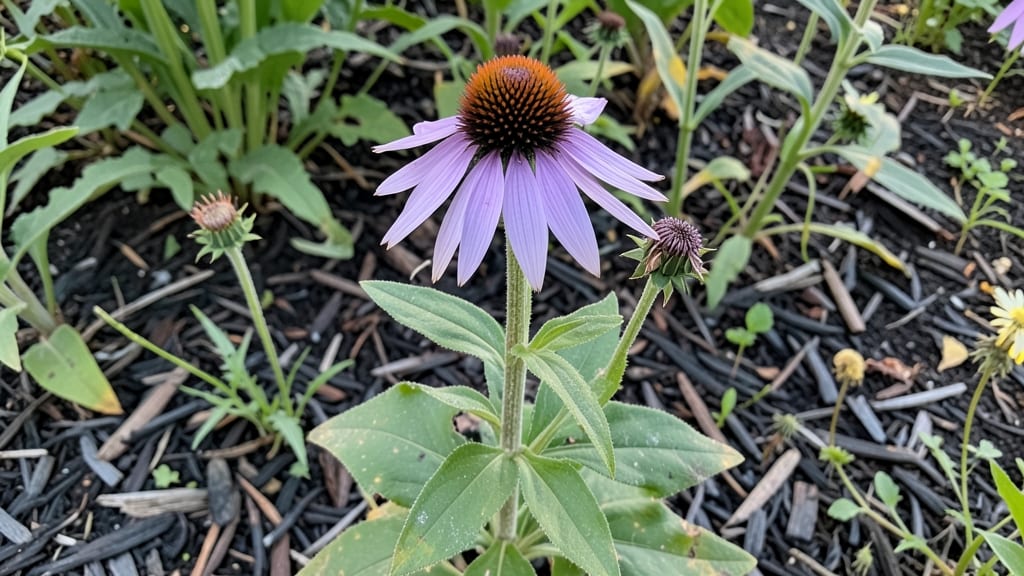
Transforming my garden with long blooming perennials for Zone 4 changed everything—these tough, vibrant stars like coneflowers and daylilies return stronger each year, slashing my spring work while filling my beds with relentless color. borders with color from June through frost.
The secret isn’t fancy soil—it’s choosing the right tough guys and giving them basic care. Most need well-drained soil, 6+ hours of sun, and water only when the top inch dries out.
I’ve killed delicate perennials before, but these? Even my neglect can’t stop them from bouncing back with bold, repeat blooms that last for months.
Imagine coneflowers standing tall in August when most annuals have faded, or black-eyed Susans lighting up September like tiny suns. These plants handle Zone 4’s -30°F winters like a walk in the park, then reward you with low-maintenance beauty that outlasts any store-bought bouquet.
Perfect for busy gardeners who want year-after-year color without the fuss. Here’s how to pick, plant, and keep them thriving through every season—no green thumb required.
📚 In This Guide
- What you need
- Instructions
- Tips and common mistakes
- Wrapping up and next steps
What you need
- ● Long-blooming perennials (Zone 4 hardy varieties): 5–10 plants of Coneflower (Echinacea purpurea)
- ● 3–5 plants of Black-eyed Susan (Rudbeckia fulgida)
- ● 3–5 plants of Daylily (Hemerocallis spp.) (choose reblooming varieties)
- ● 3–5 plants of Russian Sage (Perovskia atriplicifolia)
- ● 3–5 plants of Bee Balm (Monarda didyma)
- ● 3–5 plants of Sedum (Stonecrop, e.g., Sedum 'Autumn Joy')
- ● Well-draining potting mix or garden soil: 1–2 cubic yards (for in-ground planting) or 5–10-gallon bags (for containers). Look for a mix labeled for perennials or native plants.
- ● Compost or organic fertilizer: 5–10 lbs (for amending soil) or slow-release granular fertilizer (10–20 lbs, 10-10-10 ratio).
- ○ Mulch (optional but recommended): 2–3 cubic feet of organic mulch (e.g., shredded bark or straw) to retain moisture and regulate soil temperature.
- ● Hand trowel or transplanting spade (for digging and planting)
- ● Garden gloves (to protect your hands from thorns or rough soil)
- ● Watering can or hose with a gentle spray nozzle (for post-planting hydration)
- ● Pruning shears (for deadheading and shaping plants)
- ● Measuring tape or ruler (to space plants correctly—aim for 12–36 inches apart, depending on the variety)
- ○ Garden fork or broadfork (optional) (for aerating compacted soil before planting)
- ● Sunlight: Choose a planting site with full sun (6+ hours/day) or partial shade (3–6 hours/day), depending on the perennial’s needs.
- ● Soil pH: Test your soil (ideal pH for most perennials is 6.0–7.0). Adjust with lime (to raise pH) or sulfur (to lower pH) if needed.
- ● Water source: Ensure easy access to water for the first 2–3 weeks after planting.
- ● Patience: Perennials may take 1–2 years to reach full bloom but will reward you with years of color!
Step-by-Step guide to establishing long-blooming perennials in Zone 4
Here's how to plant these hardy beauties for seasons of reliable color and minimal fuss.
Prepare the Planting Site for Winter Survival
Choose locations with well-draining soil and 6+ hours of sunlight daily—these perennials thrive where others struggle. Before planting, loosen the top 12 inches of soil with a broad fork to improve root penetration. Zone 4 winters demand excellent drainage, so avoid low spots where water pools after spring thaws.
Amend the soil with 2-3 inches of compost mixed into the top 6 inches. This boosts organic matter without overwhelming tender roots. Test the pH—most long-blooming perennials prefer 6.0-7.0. If your soil tests acidic, add pelletized lime according to package rates. Work it in thoroughly so roots encounter consistent conditions.
Here's the thing—don't rush this step. Cold-hardy perennials reward patience. If your soil is heavy clay, incorporate 1 part perlite for every 3 parts soil to prevent winter heaving. The goal is soil that warms quickly in spring but retains moisture during summer droughts.
Plant at the Right Depth and Spacing
Dig holes twice as wide as the root ball but only as deep as the container's base. This prevents burying the crown too deeply, which invites rot in wet springs. Gently remove plants from containers and tease apart any circling roots—this encourages outward growth rather than girdling.
Space plants according to their mature size: 18-24 inches apart for compact varieties like catmint or Russian sage, and 36 inches or more for larger specimens like coneflowers or black-eyed Susans. Crowding leads to weak stems and poor airflow, increasing disease risk in humid summers.
Backfill with native soil mixed with a slow-release fertilizer (5-10-5 ratio). Water deeply immediately after planting to eliminate air pockets. You'll know it's right when water drains through the hole within 15-30 minutes. Mulch with 2-3 inches of shredded bark, keeping it 2 inches away from stems to prevent moisture buildup.
Establish Proper Watering for First-Year Success
Water deeply once weekly during the first growing season, aiming for 1-1.5 inches per week. Use a rain gauge or tuna can to measure accurately—eyeballing leads to over- or under-watering. Zone 4 perennials need deep roots to survive winter, so encourage this by watering early in the day when evaporation is lowest.
Check soil moisture by pushing your finger 2 inches deep—if it feels dry, water again. Overhead watering wastes resources and spreads fungal spores. Instead, use a soaker hose or drip irrigation placed at the plant's base. This delivers moisture directly to roots while keeping foliage dry.
Real talk: The first winter is critical. In late fall, reduce watering to every 2-3 weeks unless we experience an extended dry spell. This allows roots to harden off naturally. By spring, your perennials will reward you with stronger stems and more abundant blooms than nursery stock.
Maintain Through Seasons for Continuous Bloom
Deadhead spent blooms monthly to encourage more flowers. For perennials like shasta daisies or daylilies, snip stems back to the first set of healthy leaves. This redirects energy from seed production to next year's growth. Wear gloves—some stems are prickly!
In early spring, apply a 2-inch layer of compost around (not against) the stems. This replenishes nutrients without smothering plants. By midsummer, if growth slows, give a light feeding with a balanced fertilizer. Look for 10-10-10—this promotes both foliage and flower production.
Winter prep matters most. After the first hard frost, cut back tall, woody stems (like beard tongue or monarda) to 6 inches tall. Leave grasses and ornamental plants standing for winter interest and to protect crowns from temperature swings. Mulch again with 4-6 inches of straw or leaves for extra insulation.
Tips & tricks for perfectly established long-blooming perennials in Zone 4
These hard-won insights will help your cold-hardy perennials thrive for years to come—no guesswork required.
Soil Preparation Secret: In Step 1, when amending with 2-3 inches of compost, don't just sprinkle it on top. Work it into the top 6 inches of soil using a broad fork. This ensures roots encounter consistent conditions throughout their growing zone. If your soil is particularly dense, add perlite at a 1:3 ratio to improve aeration without compromising moisture retention. I've seen perennials fail in clay soil because roots couldn't penetrate properly—don't let that happen to you.
Planting Depth Cue: Step 2's rule about planting to the container's base depth is critical, but here's how to verify you're doing it right: After placing the plant, the top of the root ball should be level with the surrounding soil. If you bury the crown too deeply, you risk rot during wet springs. For container-grown plants, gently squeeze the root ball—if it resists, it's ready to plant at the correct depth.
Watering Timing Strategy: The 15-30 minute drainage test in Step 2 is your best friend. If water drains too quickly (under 15 minutes), you need more organic matter. If it takes longer than 30 minutes, improve drainage with additional perlite or sand. For the weekly 1-1.5 inch watering target, I use a tuna can buried near my garden beds—it's the most accurate way to measure without fancy tools. Early morning watering prevents fungal issues by allowing foliage to dry completely before evening.
Winter Mulching Technique: When adding that final 4-6 inch layer of straw or leaves in Step 4, create a shallow trench around each plant before applying mulch. This prevents moisture buildup against stems while still protecting roots. I've found that mulching too early in fall (before hard frost) can actually delay hardening off. Wait until after your first freeze, then apply mulch to lock in winter protection.
Pro Tips for Long Blooming Perennials Zone 4
- These hard-won insights will help your cold-hardy perennials thrive for years to come—no guesswork required.
- Soil Preparation Secret: In Step 1, when amending with 2-3 inches of compost, don't just sprinkle it on top.
- If you bury the crown too deeply, you risk rot during wet springs.
Frequently asked questions
Got questions about keeping your Zone 4 garden vibrant all season long?
Here are answers to the most common queries about long-blooming perennials in cold climates—so you can plan with confidence!
What are the hardiest long-blooming perennials for Zone 4?
Top picks include Coneflower (Echinacea), Black-Eyed Susan (Rudbeckia), Daylily (Hemerocallis), and Russian Sage (Perovskia). These thrive in Zone 4’s winters, rebloom reliably, and handle drought once established. For extra cold tolerance, opt for Sedum or Lavender varieties.
When should I plant long-blooming perennials in Zone 4?
Plant in early spring (April–May) or early fall (September–October) for best root establishment. Avoid extreme heat or frost—baby plants need time to acclimate. Container-grown perennials can handle cooler temps, so they’re ideal for fall planting!
How do I encourage reblooming in perennials?
Deadhead spent blooms regularly (but leave seed heads for winter interest!). Fertilize lightly in early spring with a balanced, slow-release formula. Water deeply 1–2 times per week during dry spells. Some perennials (like Shasta Daisy) may need a mid-season trim to promote a second flush.
What pests or diseases should I watch for in Zone 4 perennials?
Common issues include Japanese beetles (target Roses or Peonies), aphids, and powdery mildew in humid summers. Improve airflow, water at the base, and use neem oil or insecticidal soap as needed. Coneflowers and Sedums are naturally pest-resistant—great for low-maintenance gardens!
Can I grow long-blooming perennials in containers in Zone 4?
Choose compact varieties like Dwarf Lavender or Miniature Coneflower. Use well-draining soil with added compost, and select containers with drainage holes. Overwinter pots by wrapping them in bubble wrap or moving them to a sheltered spot. Just avoid soggy roots!
Wrapping up and next steps
Transforming your Zone 4 garden into a vibrant, low-maintenance paradise is totally within reach! These long-blooming perennials not only survive harsh winters but also reward you with stunning colors and effortless beauty year after year.
Whether you’re a seasoned gardener or just starting out, planting these resilient stars ensures your outdoor space stays lively and inviting—no matter the weather.
Ready to dive in? Start small—pick 2-3 perennials to test in your garden, then expand as you fall in love with their charm. Happy planting! 🌸🌿