
Plants
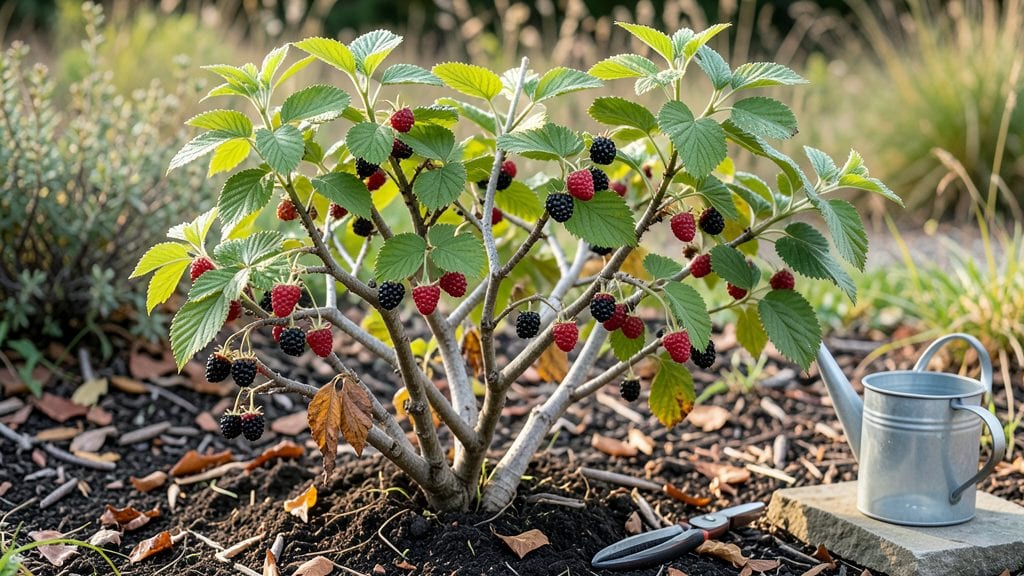
Raspberries are perennials that thrive for 10-15 years with proper care, producing fruit annually in late spring or summer after establishing strong root systems and canes the first year.
Raspberries aren't just annual plants—they're hardy perennials that reward patience with years of harvests. 🌱 The first year focuses on building roots and canes, while the second year typically delivers your first full fruit crop.
What sets raspberries apart is their two-year fruiting cycle: new canes (primocanes) grow in year one, then flower and bear fruit (as floricanes) the following season. This cycle repeats annually, giving you consistent production when you maintain healthy soil and proper pruning.
Most varieties maintain peak performance for 10-15 years if you protect them from diseases like cane blight and provide winter mulch in colder climates. The key to longevity is understanding their growth patterns—removing old canes after harvest prevents overcrowding while encouraging new growth.
I've seen home gardens double their yield simply by implementing a summer pruning schedule and using organic matter in the soil.
💡 In This Article
- How Raspberry Plant Life Cycles Work
- Best Practices for Long-Term Raspberry Plant Care
How raspberry plant life cycles work
The raspberry plant's perennial nature begins with its root system, which develops aggressively during the first growing season. These roots extend 3-5 feet deep and spread horizontally through underground runners, creating a network that anchors the plant and stores nutrients.
This extensive root system allows raspberries to survive harsh winters and recover from pruning or damage, much like how a well-established tree recovers from seasonal stress.
Here's what's actually happening with the canes: New growth called primocanes emerges in spring from the roots, growing rapidly to 4-6 feet tall by summer. These canes won't bear fruit in their first year—they focus entirely on photosynthesis to fuel next year's production.
In autumn, these primocanes undergo a transformation, becoming floricanes that flower and fruit the following spring. This two-year cycle is why raspberries need patience—you won't see fruit until year two!
The cold stratification process is crucial for this transformation. During winter dormancy, temperatures between 20-40°F trigger hormonal changes in the primocanes, converting them into floricanes. This chilling requirement varies slightly by variety but typically lasts 6-8 weeks.
Without adequate cold exposure, the canes may produce weak or no fruit—a common issue in mild-winter climates. 🌬️ What most people don't realize is that this cold period also helps break seed dormancy in the berries, ensuring the next generation of plants can germinate properly.
After fruiting, floricanes die back naturally, making way for new primocanes to emerge from the roots. This self-pruning mechanism prevents overcrowding while maintaining the plant's vigor. The cycle then repeats annually, with each year's primocanes becoming the next year's floricanes.
This built-in renewal system is why raspberries can produce consistently for decades when given proper care—unlike annual plants that must be replanted every year.
Seasonal variations also play a role in fruit production timing. Raspberries typically fruit in late spring to early summer, but some everbearing varieties produce a second crop in late summer/fall. This secondary flush occurs when new primocanes develop flowers before undergoing full winter dormancy.
The exact timing depends on your climate zone and variety—some northern varieties need 100+ chill hours below 45°F to set fruit properly, while southern varieties may fruit with fewer chill hours.
Understanding these growth stages helps explain why raspberries thrive as perennials. Their ability to regenerate from roots, transform canes through cold stratification, and maintain a balanced growth cycle allows them to outlast many other fruiting plants.
This biological efficiency is why raspberry bushes can remain productive for 10-15 years or longer with minimal intervention—making them one of the most rewarding perennial crops for home gardeners. 🌱