
Trees
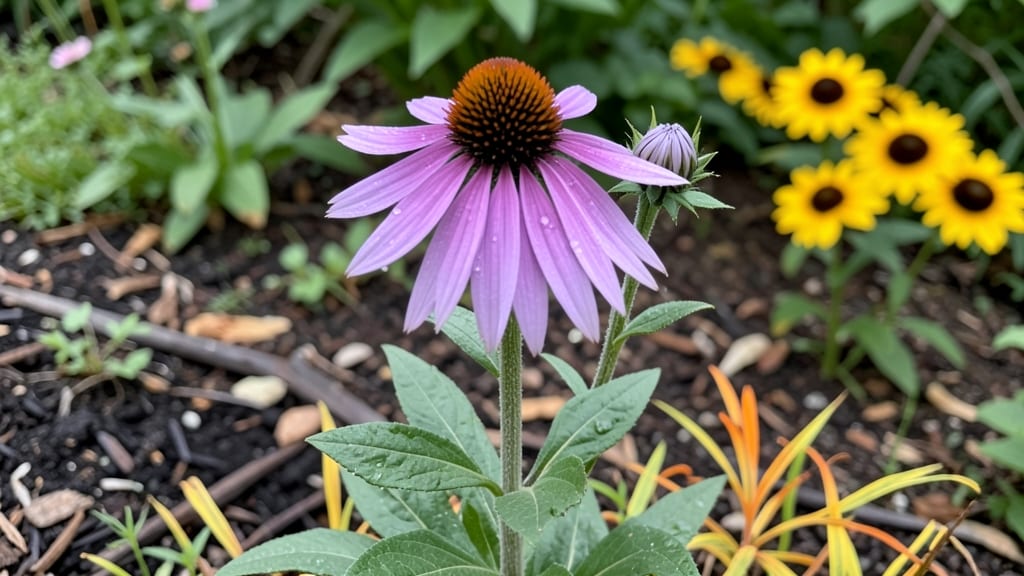
Indiana native perennials transform any garden into a thriving ecosystem that needs almost no work from you. 🌿 I’ve watched my own yard go from patchy and high-maintenance to lush and self-sustaining just by swapping in plants like coneflowers, black-eyed Susans, and wild bergamot—they handle Indiana’s humidity, droughts, and clay soil like pros while attracting butterflies and bees all season.
The beauty of these plants is they’re built to last—once established, they spread on their own, crowding out weeds and filling in gaps without your help. My front yard now stays vibrant from early spring’s bloodroot blooms through late fall’s goldenrod, with almost zero deadheading or fertilizing.
The best part? They’re cheaper than non-native perennials and support local wildlife better than anything you’d buy at a big-box store.
You’ll end up with a garden that looks intentional but requires less than an hour of maintenance per month. Pair a few native perennials with ornamental grasses or shrubs, and you’ll create layers of texture and movement that outshine any high-maintenance design.
The key is starting with three to five hardy species—I’ll show you which ones work best together and where to place them for maximum impact.
Whether you’re redesigning your whole yard or just adding a few pollinator-friendly plants, these natives deliver color, resilience, and ecological benefits without the fuss. Let’s get your Indiana garden working with nature instead of against it—here’s how to start.
📚 In This Guide
- What you need
- Instructions
- Tips and common mistakes
- Wrapping up and next steps
What you need
- ● Native perennial plants: Choose 3–5 species suited to your zone (e.g., Echinacea purpurea, Rudbeckia hirta, Asclepias tuberosa). Buy 1–3 plants per variety (6–12 total) from local nurseries or native plant specialists.
- ● High-quality native soil: 2–3 cubic yards (enough to amend existing soil or fill raised beds). Look for compost blends with 50% organic matter.
- ● Mulch: 2–3 bags of shredded hardwood mulch (3–4 inches deep) to retain moisture and suppress weeds.
- ● Garden tools: Trowel or hand shovel
- ● Pruning shears (bypass, sharp and sterilized)
- ● Garden gloves (heavy-duty for thorny plants like Rosa setigera)
- ● Wheelbarrow or bucket (5-gallon minimum)
- ● Soil test kit: $15–$25 (check pH and nutrient levels; Indiana natives thrive in slightly acidic to neutral soil (6.0–7.0)).
- ● Drip irrigation system: 50–100 ft. of tubing + emitters (saves water and time!).
- ● Plant supports: Stakes or cages for taller perennials like Monarda fistulosa (bee balm).
- ● Native seed packets: For filling gaps (e.g., Coreopsis lanceolata or Liatris spicata).
- ● Wildlife-friendly touches: Birdhouses or bat boxes (to attract pollinators!)
- ● Rocks or logs for habitat diversity
How to establish a thriving Indiana native perennial garden
Here's how to create a resilient landscape that thrives with minimal effort.
🌱 Step 1: Select and Prepare Planting Sites
Indiana's climate zones demand strategic placement. Group plants by sunlight needs—full sun (6+ hours) for coneflowers and black-eyed Susans, partial shade (3-6 hours) for asters and wild bergamot, and full shade (under 3 hours) for wild ginger and bloodroot. I always sketch my yard first, marking sun patterns throughout the day.
Test your soil's pH with a simple kit—most native perennials prefer 6.0-7.0. If your soil is too alkaline (common in Indiana), amend with 2-3 inches of compost mixed into the top 6 inches of soil. Native plants hate soggy roots, so improve drainage in low spots by adding 1-2 inches of coarse sand or shredded leaves before planting.
🪴 Step 2: Plant Bare-Root and Container-Grown Specimens
For bare-root plants, soak roots in lukewarm water for 15-20 minutes before planting. Dig holes twice as wide as the root ball but only as deep as the plant's crown (where stems meet roots). I use a garden trowel to loosen the sides of the hole—this encourages roots to spread outward instead of circling.
Place each plant in its hole, then backfill with native soil mixed with 1 part compost. Water deeply until the soil settles, then add a 1-inch layer of mulch (using the 3 bags of shredded hardwood mulch) to retain moisture and suppress weeds. Keep mulch 2-3 inches away from plant stems to prevent rot.
☀️ Step 3: Establish Watering and Maintenance Routines
Water newly planted perennials deeply twice weekly for the first 4-6 weeks, aiming for 1 inch of water per session. You'll know you've watered enough when the top 2 inches of soil feel moist but not saturated. After establishment, most Indiana natives tolerate drought once rooted—coneflowers and blazing stars are especially resilient.
Fertilize lightly in early spring with 1/2 cup of 5-10-5 fertilizer per 10 square feet of bed. Native plants thrive in lean soil, so avoid heavy feeding. Instead, top-dress with 1 inch of compost annually in late fall to replenish nutrients naturally.
✂️ Step 4: Prune for Seasonal Health and Blooms
Cut back dead or damaged foliage in early spring before new growth emerges. For perennials like bee balm and joe-pye weed, I wait until late winter to prune, as their seed heads provide winter interest. Always use clean, sharp pruners to avoid spreading disease—wipe blades with rubbing alcohol between cuts.
Divide crowded clumps in early spring or fall every 3-4 years to maintain vigor. Dig up the entire plant, separate sections with a knife or spade, and replant divisions immediately. This prevents overcrowding and rejuvenates blooms—black-eyed Susans especially benefit from regular division.
Tips & tricks for perfect Indiana native perennial gardens
A few strategic moves can transform your Indiana garden into a thriving ecosystem that requires minimal ongoing effort. Here's what I've learned after years of working with these resilient plants.
Sunlight Mapping: Indiana's climate creates distinct microclimates, so I recommend observing your yard throughout the day—especially during summer solstice when sun patterns are most extreme. Mark your yard with stakes or a garden hose to track where full sun (6+ hours) transitions to partial shade (3-6 hours) and full shade (under 3 hours). This precision prevents underperforming plants and ensures each species gets exactly what it needs.
Root Zone Preparation: The secret to long-term success lies in the soil beneath the surface. When amending with compost, focus on the top 6 inches where most roots develop. For heavy clay soils common in Indiana, mix in 1-2 inches of coarse sand or shredded leaves to improve drainage—this prevents the dreaded "soggy root syndrome" that kills many perennials. I test drainage by digging a 12-inch hole and filling it with water; if it doesn't drain within 2 hours, you need more amendments.
Planting Technique: The 15-20 minute root soaking before planting is non-negotiable for bare-root specimens. I use lukewarm water (not cold) to avoid shocking the roots while ensuring they're properly hydrated. When backfilling, mix in 1 part compost to native soil—the ratio matters. Too much compost can burn tender roots, while too little defeats the purpose. For container-grown plants, gently tease apart roots that have circled the pot before planting to encourage outward growth.
Seasonal Maintenance: The first 4-6 weeks are critical for establishing new plants, so I set a timer to water deeply twice weekly—aiming for 1 inch of water per session. Use your finger to check moisture 2 inches below the surface; if it feels dry, water again. After establishment, most Indiana natives become drought-tolerant, but coneflowers and blazing stars still appreciate occasional deep watering during dry spells. The key is consistency during the root development phase.
Pro Tips for Indiana Native Perennials
- A few strategic moves can transform your Indiana garden into a thriving ecosystem that requires minimal ongoing effort.
- Sunlight Mapping: Indiana's climate creates distinct microclimates, so I recommend observing your yard throughout the day—especially during summer solstice when sun patterns are most extreme.
- Root Zone Preparation: The secret to long-term success lies in the soil beneath the surface.
Frequently asked questions
Got questions about Indiana native perennials? You’re not alone! Here are some of the most common inquiries—plus straightforward answers to help you garden with confidence.
What are the easiest Indiana native perennials for beginners?
Start with Black-Eyed Susan (Rudbeckia hirta), Purple Coneflower (Echinacea purpurea), or Butterfly Weed (Asclepias tuberosa). These thrive in Indiana’s climate, require minimal care, and attract pollinators. All three tolerate drought once established—perfect for low-maintenance gardens!
When is the best time to plant Indiana native perennials?
Spring (after the last frost, around mid-April to May) or early fall (September to October) are ideal. Planting in fall gives roots time to establish before winter, while spring planting lets them grow through the warmer months. Avoid extreme heat or cold!
How do I keep pests away from my native perennials?
Most Indiana natives are pest-resistant, but aphids or Japanese beetles may occasionally appear. Spray with soapy water for mild infestations or introduce ladybugs or parasitic wasps for natural control. Healthy soil and proper spacing reduce stress, making plants less vulnerable.
Do Indiana native perennials need extra watering during droughts?
Once established (after 1–2 years), most native perennials are drought-tolerant. However, water deeply 1–2 times per week during the first growing season. Mulch with wood chips or straw to retain moisture. Avoid overwatering—soggy soil invites fungal issues!
Can I replace invasive plants with Indiana natives?
Swap out Bush Honeysuckle or Japanese Barberry with Virginia Sweetspire (Itea virginica) or Wild Bergamot (Monarda fistulosa). Natives like these require less fertilizer, support local wildlife, and thrive without chemicals. Check Indiana’s native plant database for tailored suggestions.
Wrapping up and next steps
Indiana’s native perennials offer year-round beauty with minimal effort—perfect for gardeners who love nature’s resilience and charm. From Black-Eyed Susans to Wild Bergamot, these plants thrive in local conditions, support pollinators, and reduce watering hassles.
Whether you're a beginner or a seasoned gardener, embracing these hardy plants means less work and more rewards for your green space.
Ready to transform your garden? Start small—pick one or two perennials to test in your yard this spring! Research their sunlight and soil needs, then watch your low-maintenance oasis flourish. Happy planting! 🌱