
Flowers
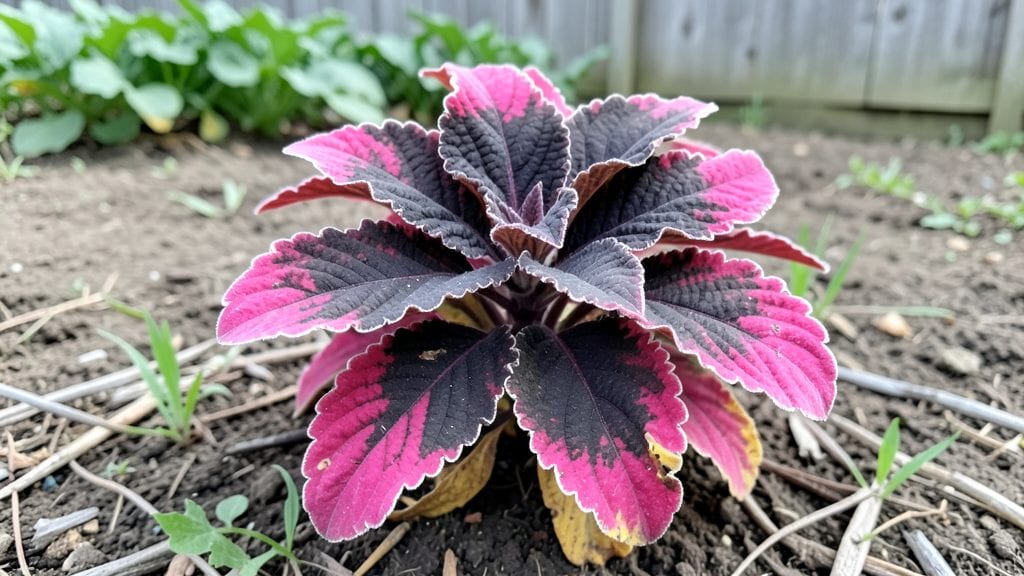
Deciding whether Kong coleus is annual or perennial depends on your climate: it's a hardy perennial in USDA Zones 10-11 where frost never occurs, but freezes kill it in colder zones, forcing gardeners to treat it as an annual. Its striking foliage makes it a favorite for seasonal containers even outside its native range.
This tropical plant's behavior shifts dramatically based on temperature—think of it like a chameleon adapting to its environment. 🌿 In frost-free zones, Kong coleus thrives year-round, sending up fresh growth each spring without needing replanting.
However, when temperatures drop below 32°F, the plant's leaves blacken and die back completely, which is why gardeners in colder regions replant new cuttings each season. The good news?
Even in colder climates, you can preserve your favorite varieties by taking stem cuttings before the first frost and rooting them indoors for next year's garden.
The key difference lies in how these plants handle dormancy. Perennial Kong coleus in warm climates naturally enters a slow-growth phase during cooler months but survives underground, while annual versions in colder zones have no such protection mechanism.
This is why you'll often see gardeners in Zone 8 or colder treating their plants as annuals—even though they might technically survive light frosts with proper mulching, the risk of complete die-off is too high for most to justify the gamble.
💡 In This Article
- Kong Coleus Lifespan in Different Climates
- Extending Kong Coleus Season: Annual Care Hacks
Kong coleus lifespan in different climates
The core difference between Kong coleus as a perennial or annual comes down to its cellular tolerance to freezing temperatures. In USDA Zones 10-11, where winter lows rarely drop below 40°F, the plant's thick, waxy leaves and underground rhizomes naturally survive year-round.
The plant's native tropical origins mean it lacks cold-hardening mechanisms like antifreeze proteins found in temperate plants—once temperatures hit 32°F, ice crystals form in its cells, rupturing membranes and causing irreversible damage. 💫
In frost-free zones, Kong coleus enters a dormant-but-alive state during cooler months, similar to how tropical plants like ginger behave. The rhizomes (underground stems) store carbohydrates that fuel regrowth when temperatures rise. However, in colder climates, these rhizomes freeze solid without protective measures.
Studies show that even a 24-hour exposure to 28°F can kill 90% of above-ground growth, making annual treatment the safer choice for most gardeners outside Zones 10-11.
Zone 9 presents a critical threshold where survival becomes possible with protection. Gardeners here can mulch heavily with 6-8 inches of straw or wood chips to insulate roots, or wrap containers in bubble wrap.
The key is maintaining soil temperatures above 35°F—below this, root activity halts and cells begin dying. In Zone 8 and colder, even these measures often fail because extended cold snaps (below 20°F) create irreversible damage to the plant's vascular system.
What most gardeners don't realize is that Kong coleus' leaf color intensity actually decreases in cooler weather—the vibrant reds and purples fade to muted greens as chlorophyll production ramps up for survival. This physiological shift is a red flag that the plant is stressed and preparing for dormancy.
The plant's natural response to cold is to shut down photosynthesis and redirect energy to root storage, which explains why even "cold-hardy" varieties struggle in Zone 7 or colder without constant protection.
Here's the science behind the dieback: Kong coleus lacks antifreeze proteins (found in plants like winter wheat) and instead relies on osmotic adjustment—a process where cells pump in sugars to lower their freezing point. However, this only works down to about 30°F.
Below that, the plant's cellular membranes become brittle and rupture when ice forms, a process called extracellular freezing. This is why you'll see leaves turn black and crispy overnight during unexpected cold snaps—it's not just wilting, it's cellular death.
For gardeners in Zone 9, the solution lies in microclimate manipulation. Placing plants near south-facing walls or under deciduous trees creates 5-10°F warmer microclimates that can mean the difference between survival and death.
Container growers have an advantage—they can move plants to protected locations or even indoors when frost is forecasted. The key measurement here is soil temperature: keep it above 35°F at all times to maintain root viability.