
Flowers
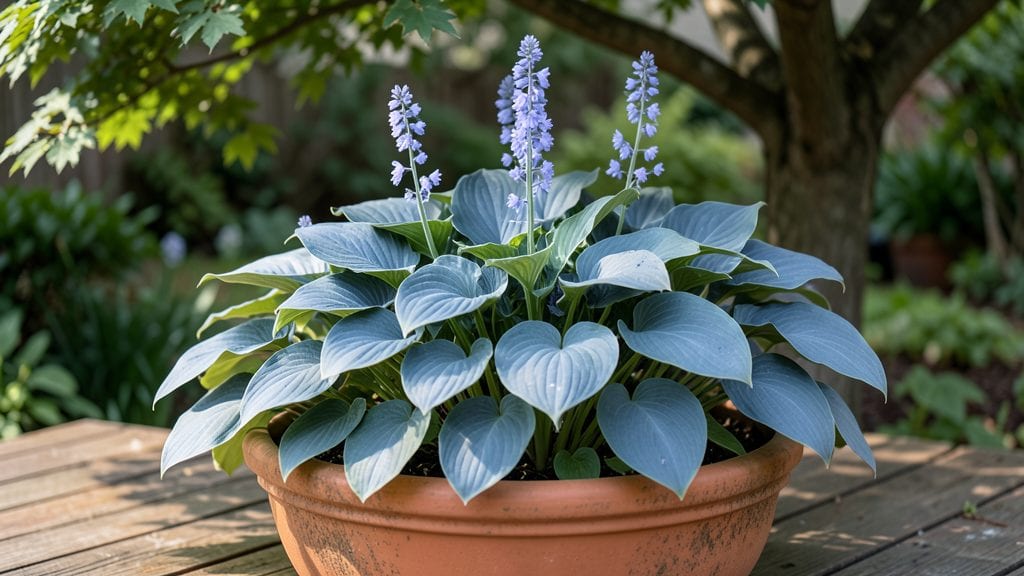
Perennial plants are not every year in the same way annuals are—they regrow from their root systems each spring, living for multiple seasons, often thriving for years or even decades with proper care and conditions.
Perennial plants don't follow the same "one-and-done" cycle as annuals—they store energy underground during winter, then burst back to life each spring. 🌱 This survival strategy lets them live for years, sometimes even decades, if given the right conditions like consistent moisture and well-draining soil.
What sets them apart is their deep root systems, which act like natural batteries, storing nutrients to fuel regrowth season after season.
Unlike annuals that complete their entire life cycle in one growing season, perennials focus on establishing strong roots first. This means their above-ground growth might look modest in early years, but patience pays off as they mature.
For gardeners, this means less replanting work over time—once established, many perennials require minimal intervention to keep blooming year after year.
💡 In This Article
- How Perennial Plants Survive Year-Round
- Caring for Perennials to Ensure Annual Returns
How perennial plants survive year-round
The secret to perennial plants' longevity lies in their rhizomes, tubers, and crowns—specialized underground storage organs that act like biological batteries. These structures store carbohydrates, proteins, and water during dormancy, fueling regrowth when conditions improve.
For example, peonies develop thick, fleshy roots that can store enough energy to support blooms for decades, while daylilies use their fibrous rhizomes to spread and regenerate annually. This underground network allows them to survive harsh winters or droughts that would kill annuals.
Dormancy is another critical adaptation. During cold months, perennials enter a metabolic slowdown, reducing water loss and energy expenditure. Some species, like hostas, produce anti-freeze proteins that protect their cells from ice crystal damage, while others, such as lavender, rely on dense foliage to insulate their crowns.
The timing of dormancy varies by climate zone—plants in USDA Zone 5 may need protection from -20°F winters, while those in Zone 9 might only experience mild dormancy. This explains why some perennials thrive in one region but struggle in another.
Seasonal adaptations extend to their growth patterns. Many perennials prioritize root expansion in their first year, only producing flowers in subsequent years—a strategy called monocarpic blooming. Take coneflowers: they focus on building strong taproots before flowering, ensuring they have the reserves to rebound after each bloom cycle.
This delayed gratification is why gardeners often see modest growth in Year 1 but spectacular displays by Year 3. The trade-off? It means patience is key—rushing to harvest or over-prune can deplete these stored reserves.
Climate zones dictate the rhythm of regrowth. In temperate regions, perennials like black-eyed Susans typically emerge in early spring when soil temperatures reach 50-55°F, while tropical perennials such as cannas may regrow year-round in frost-free zones.
The key difference is chilling requirements: many temperate perennials need a period of cold (40°F for 6-8 weeks) to break dormancy, a process called vernalization. Without this, plants might remain dormant or produce weak growth—a common issue when moving perennials between climates.
What most gardeners overlook is how soil microbes play a role. Perennials form symbiotic relationships with mycorrhizal fungi, which extend their root systems and improve nutrient uptake. This underground "highway" helps them access water and minerals even in poor soil.
For instance, asclepias (butterfly weed) relies on these fungi to thrive in sandy soils where annuals would fail. The result? A self-sustaining cycle where the plant and soil ecosystem reinforce each other's survival.
Consider the case of Hellebores, which bloom in late winter when few other plants are active. Their evergreen foliage photosynthesizes year-round, generating energy even during dormancy. This dual strategy—storing energy underground while maintaining minimal above-ground activity—explains why they can survive for centuries in ideal conditions.
The lesson? Perennials aren't just "long-lived" plants; they're biological engineers of resilience.