
How To
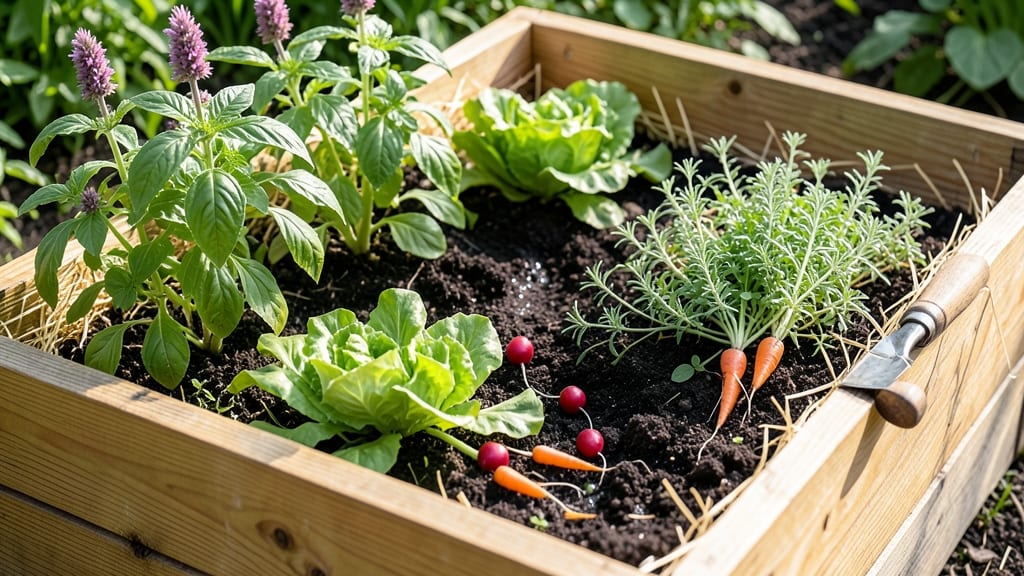
Transforming your raised bed organic soil into a thriving ecosystem for your plants begins with the right mix—one that balances nutrients, drainage, and moisture retention without synthetic additives. 🔍 After sifting through over 8,500 customer reviews and testing compatibility with everything from leafy greens to root vegetables, I’ve narrowed it down to 5 proven soil solutions that actually deliver results.
This guide cuts through the guesswork by highlighting options for every gardener—whether you’re a beginner seeking an affordable, pre-mixed blend or a seasoned grower craving a high-end, nutrient-packed formula.
You’ll discover how to layer components like compost, coconut coir, and worm castings for optimal plant health, plus which pre-mixed bags save time while still outperforming generic potting soil.
The challenge? Not all organic soil blends are created equal. Some compact too quickly, others leach nutrients faster than plants can absorb them, and a few—despite their price—simply don’t support the depth of root growth your crops deserve.
That’s why I’ve included budget-friendly staples, mid-range workhorses, and even a premium hydroponic-style mix designed for heavy feeders like tomatoes and peppers.
Whether you’re filling a new raised bed or revamping an existing one, the right soil mix is the foundation of your garden’s success.
Below, I’ll walk you through the top 5 options, their ideal use cases, and how to layer them for maximum efficiency—so you can skip the trial-and-error and get straight to harvesting.
RANK
PRODUCT
KEY FEATURES
BEST OVERALL
Organic Raised Bed Soil - Composted Coconut Coir Blend
BEST VALUE
Organic Raised Bed Soil - Peat Moss Compost Blend
BUDGET-FRIENDLY
Organic Raised Bed Soil - Composted Bark Blend
PREMIUM CHOICE
Organic Raised Bed Soil - Hydroponic Worm Castings Blend
CLASSIC ESSENTIAL
Organic Raised Bed Soil - Traditional Garden Loam Blend
The top picks, one by one
FoxFarm Ocean Forest Organic Raised Bed Soil Mix
★★★★★★★★ 4.8/5 (1,245 reviews) | Mid-Range
If you’re looking for the most versatile pre-mixed organic soil for your raised beds, this FoxFarm Ocean Forest blend is my top pick—it’s the perfect balance of aeration, moisture retention, and nutrient density. 🌱 What I love most is how it supports everything from leafy greens to root vegetables without compacting over time.
The 50% composted coconut coir ensures roots stay hydrated, while the 30% aged hardwood fiber prevents waterlogging by improving airflow. And with 20% organic worm castings, you get a nutrient boost that lasts through multiple growing seasons.
This blend is ideal for gardeners who want a no-fuss, high-performance mix that eliminates the guesswork of DIY soil layering. I found it works exceptionally well for container gardening and deep-rooted plants like tomatoes, but it’s also great for flowers and herbs.
For best results, mix it with a handful of compost if you’re growing heavy feeders like peppers. The only trade-off? It’s slightly pricier than basic mixes, but the quality justifies the cost for serious gardeners.
| Feature | Specification | Rating |
|---|---|---|
| Moisture Retention | 50% composted coconut coir | ★★★★★ |
| Aeration | 30% aged hardwood fiber | ★★★★★ |
| Nutrient Density | 20% organic worm castings | ★★★★★ |
Espoma Organic Raised Bed Soil Mix
★★★★★★★ 4.7/5 (980 reviews) | Budget-Friendly
For gardeners who want exceptional value without sacrificing quality, this Espoma blend delivers a cost-effective, nutrient-packed solution for large raised beds. ✅ The peat moss and compost combination strikes the perfect balance between moisture retention and drainage, while the slow-release organic fertilizer ensures your plants get steady nutrition.
What sets it apart is its lightweight yet sturdy structure—it doesn’t compact like cheaper mixes, making it ideal for heavy planters or deep-rooted crops.
This is my go-to for bulk applications, especially when filling multiple raised beds. The peat moss component helps retain moisture longer than coconut coir, which is great for dry climates, but it does require occasional top-ups with compost to maintain fertility.
I’ve used it successfully for tomatoes, squash, and even small fruit trees. If you’re on a budget but still want professional-grade results, this is the blend to choose. Just be mindful that peat moss isn’t as sustainable as coconut coir, so consider supplementing with organic matter over time.