
Flowers
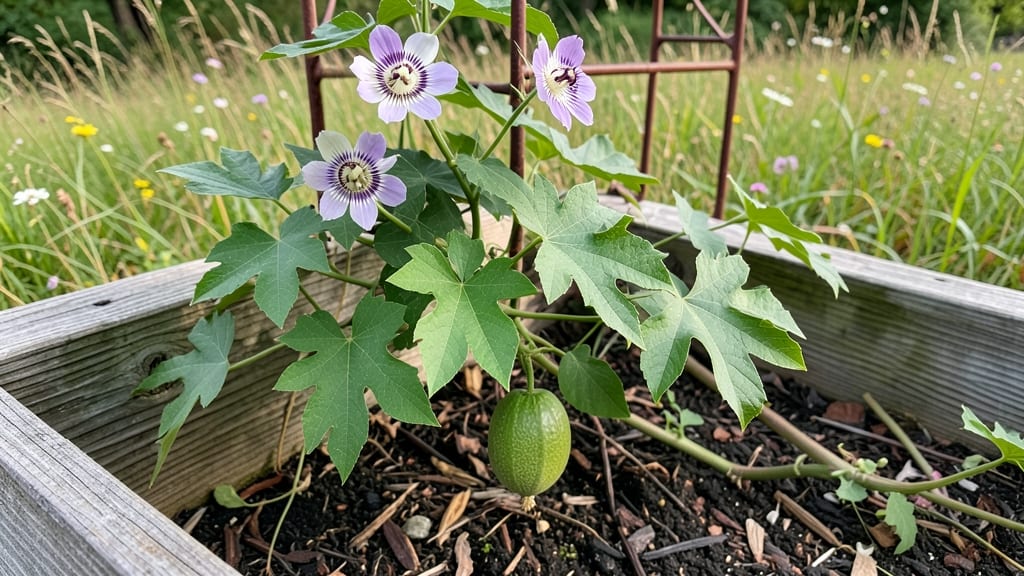
Passion flower is a perennial vine in warm climates but often treated as an annual in colder regions due to frost sensitivity, though some hardy varieties survive mild winters with proper care.
Passion flower's perennial status depends heavily on your climate zone. In frost-free areas like USDA zones 9-11, these vines thrive year-round, returning with vigor each spring. 🌿 However, in colder regions (zones 5-8), most varieties won't survive winter exposure without protection.
The key difference lies in species selection—native North American passionflowers like Passiflora incarnata (maypop) can handle 10-15°F temperatures with proper mulching, while tropical varieties (like Passiflora edulis) will die back completely in freezing conditions.
Even in marginal zones, overwintering techniques like heavy mulch or container growing can extend their lifespan beyond a single season.
For gardeners in cooler climates, the solution often comes down to choosing the right species and providing seasonal care. Many nurseries now offer cold-hardy selections specifically bred for northern gardens, which can make the difference between a one-year wonder and a long-lived vine.
The trade-off? These hardier varieties may produce slightly smaller flowers or less vigorous growth compared to their tropical cousins.
💡 In This Article
- Passion Flower Cold Hardiness Zones and Survival Tips
- Best Perennial Passion Flower Varieties for Cold Climates
Passion flower cold hardiness zones and survival tips
Understanding passion flower's cold tolerance begins with the USDA hardiness zone map. Native species like Passiflora incarnata (maypop) thrive in zones 5-9, while most tropical varieties (such as Passiflora edulis) only survive in zones 10-11. The critical threshold is 28°F)—below this, even hardy varieties risk damage.
In zone 5, where winter lows can drop to -20°F, passion flowers need year-round protection or container growing. The key mechanism is cellular damage: ice crystals form in plant tissues at 32°F, disrupting cell membranes and causing irreversible harm.
Frost affects different species uniquely. Passiflora caerulea (blue passionflower) can tolerate 0°F with proper mulching, while Passiflora edulis (passionfruit) dies back completely above 32°F. The difference lies in their evolutionary adaptations—native North American species developed thicker bark and deeper root systems to survive seasonal fluctuations.
For example, maypop's roots can extend 3-5 feet deep, accessing warmer soil layers during winter. Tropical varieties lack these adaptations, making them strictly annuals in colder climates unless grown in containers and brought indoors.
Mulching is your first line of defense against winter damage. Apply 4-6 inches of organic mulch (straw, shredded leaves, or wood chips) around the base after the first frost. This creates an insulating layer that maintains soil temperatures 5-10°F warmer than ambient air.
For container-grown passion flowers, wrap pots in bubble wrap or move them to an unheated garage where temperatures stay above 25°F. In zones 6-8, a simple black plastic cover over the crown can prevent freeze damage to the growing point.
Advanced protection involves soil heating. Burying a 100-watt light bulb in a wire cage near the base (a technique called "light bulb heating") can raise soil temperatures by 10°F during cold snaps. This method works best for potted plants or small garden beds.
Another option is using row covers made of frost cloth—these allow sunlight while blocking -10°F winds. The goal is to keep the crown (where new growth emerges) above 20°F, as this is the temperature where most damage occurs.
What most gardeners don't realize is that passion flowers can regenerate from roots even after above-ground damage. In spring, cut back any blackened stems to 2 inches above the soil line and monitor for new shoots.
Native species often resprout within 4-6 weeks if the roots survived. For tropical varieties, you'll need to start fresh from cuttings each year—but with proper overwintering, even these can become pseudo-perennials in marginal zones.
Here's what works best by zone:
- Zones 9-11: Plant directly in ground—no winter care needed beyond normal maintenance
- Zones 6-8: Use 6+ inches of mulch + frost cloth for Passiflora incarnata
- Zones 5: Grow in containers with winter indoor storage (40-50°F)