
Plants
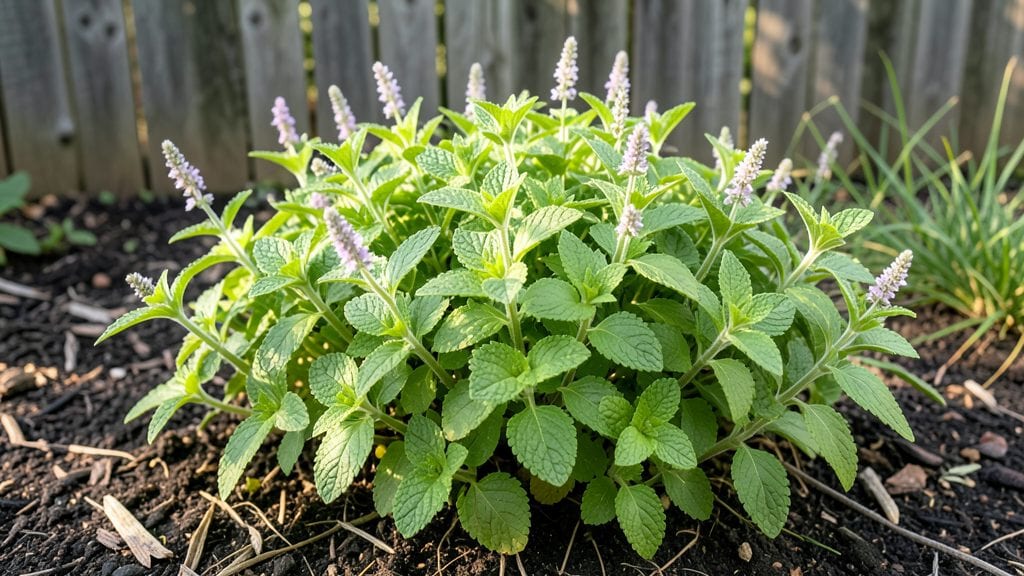
Most gardeners know mint as that hardy plant that always seems to bounce back, and that's because its underground rhizomes store energy like a natural battery. 🌱 In warmer climates (zones 5-9), mint thrives year-round, while in colder areas, it goes dormant during winter but springs back with new growth when temperatures rise.
The key difference between true perennials and rare annual varieties lies in their root systems—perennials like peppermint rely on extensive rhizomes for survival, while annuals would need replanting each season.
This perennial nature makes mint both a gardener's dream and a potential nightmare. On one hand, you get fresh leaves for years with minimal effort. On the other, its aggressive spreading can turn your carefully planned garden into a mint jungle if left unchecked.
That's why many experts recommend growing mint in containers or using root barriers to maintain control over its expansion.
💡 In This Article
- How Mint’s Perennial Life Cycle Works in Different Climates
- Controlling Mint’s Aggressive Growth as a Perennial Plant
How mint’s perennial life cycle works in different climates
The perennial nature of mint stems from its rhizomatous root system, which acts like an underground energy reserve. These horizontal roots store carbohydrates and nutrients, allowing the plant to regenerate even after the above-ground foliage dies back.
When temperatures drop below 20°F in colder zones, mint enters dormancy—its leaves yellow and crisp, but the rhizomes remain alive just beneath the soil surface, protected by a natural antifreeze-like compound called proline that prevents cellular damage.
In USDA zones 5-9, mint’s growth cycle follows a predictable pattern: spring brings rapid shoot emergence from dormant buds (called eyes), summer sees aggressive horizontal spread as rhizomes expand up to 12 inches per year, and fall triggers hardening as sugars accumulate in roots for winter survival.
The key difference between true perennials (like peppermint) and rare annual types lies in their root depth—perennials develop 6-12 inch deep rhizomes, while annuals would only have shallow taproots requiring yearly replanting.
Temperature acts as the primary regulator of mint’s life cycle. Above 50°F, growth accelerates; below 32°F for extended periods, even hardy varieties like spearmint may suffer damage. This explains why mint thrives in zones 5-9 but struggles in zone 4 without protection.
The plant’s ability to photosynthesize even in low light (thanks to its C3 photosynthetic pathway) allows it to recover quickly once temperatures rise again in spring.
What most gardeners don’t realize is how mint’s seasonal growth phases directly impact harvest timing. The most flavorful leaves appear in late spring/early summer when oil content peaks at 0.3-0.5% of dry weight—double the concentration found in fall growth.
This biological rhythm explains why mint often tastes milder in late summer, as the plant shifts energy toward rhizome expansion rather than leaf production.
For comparison, true annual mint varieties (like corn mint) would require complete replanting each year, as they lack the rhizome system. Their life cycle mirrors other annual herbs: 60-90 days from seed to harvest, then death when temperatures drop.
The perennial advantage becomes clear when you consider that a single peppermint plant can produce up to 100 pounds of fresh leaves annually from the same root system over decades.
This hardy growth pattern isn’t just botanical curiosity—it’s why mint has been cultivated for 5,000+ years across diverse climates.
The same rhizomes that make it persistent also make it adaptable, allowing mint to thrive in everything from Mediterranean gardens to Pacific Northwest climates, as long as winter temperatures don’t drop below -10°F for extended periods. 💫