
Flowers
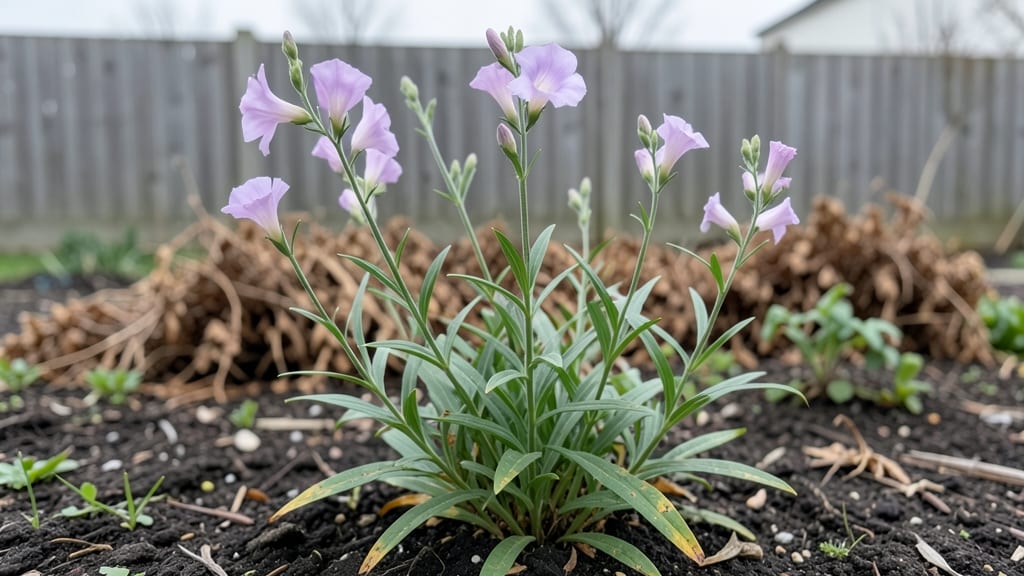
Lisianthus behaves as a tender perennial in most climates rather than a true perennial, meaning it dies back during frost but may regrow from its roots if conditions are mild enough. Its survival depends heavily on the variety and growing zone, with most thriving in USDA zones 8-11.
Lisianthus's behavior as a tender perennial means it survives cold snaps only if protected, unlike hardy perennials that endure winter dormancy. 🌱 The key difference lies in its root system—some varieties send up new growth from the base if temperatures stay above 20°F for extended periods.
Gardeners in cooler zones often treat it as an annual or use overwintering tricks like mulching or container cultivation to coax regrowth in spring.
What sets lisianthus apart is its varietal diversity—some hybrids like 'Twilly' handle light frosts better than others, while 'Stella' series may struggle below 30°F. The plant's natural dormancy phase kicks in when nights dip, but prolonged freezing kills the crown.
Understanding these thresholds helps gardeners decide whether to replant yearly or invest in protective measures.
💡 In This Article
- Lisianthus Cold Hardiness by USDA Zones
- Extending Lisianthus Lifespan in Cold Climates
Lisianthus cold hardiness by USDA zones
The reason lisianthus struggles in colder climates comes down to its tropical origins and delicate physiology. This plant evolved in warm, stable environments where temperatures rarely drop below 50°F. Its root systems lack the protective suberin layers found in hardy perennials, making them vulnerable to freeze damage.
When temperatures fall below 25°F, the cell membranes rupture, killing the crown and often the roots. 🌡️
Hardiness varies dramatically between varieties—'Twilly' series can tolerate brief dips to 20°F due to its thicker stems, while 'Stella' hybrids typically perish above 28°F. The difference lies in their genetic adaptations: some develop more waxy cuticles that slow moisture loss during cold snaps.
In zone 7, gardeners often see partial regrowth if the roots survive, while zone 6 and colder usually require annual replanting.
Temperature fluctuations create additional stress. Rapid swings between freezing nights and warm days cause the plant to repeatedly enter and exit dormancy, weakening its reserves. The science shows that lisianthus roots can survive 14 days at 20°F if dry, but prolonged exposure or wet conditions accelerate decay.
This explains why mulching (keeping soil 5°F warmer) becomes critical in marginal zones.
What most gardeners don't realize is that lisianthus's "dormancy" isn't true winter rest like peonies. Instead, it's a survival mechanism where the plant shuts down completely when stressed. The roots may remain viable for months if protected, but the crown typically dies back to the ground level.
This is why you'll often see new shoots emerge from the soil line in spring—it's not regrowing from last year's stem but from dormant root buds.
Comparing lisianthus to similar plants helps illustrate its sensitivity. Daylilies (true perennials) survive -20°F with no protection, while lisianthus's closest hardy relative, the snapdragon, tops out at 15°F. The key difference is lisianthus's inability to produce protective sugars in its tissues during cold acclimation—a trait common in tropical species.
This metabolic limitation explains why even mild winters often require intervention to extend its lifespan.
For gardeners pushing lisianthus into cooler zones, understanding these thresholds is crucial. The 30°F line represents the practical limit for unprotected plants, while 20°F becomes the survival boundary with proper protection.
Varieties like 'Blackout' and 'Midnight' show slightly better cold tolerance, making them better choices for zone 7 gardeners attempting overwintering experiments. 💡