
Flowers
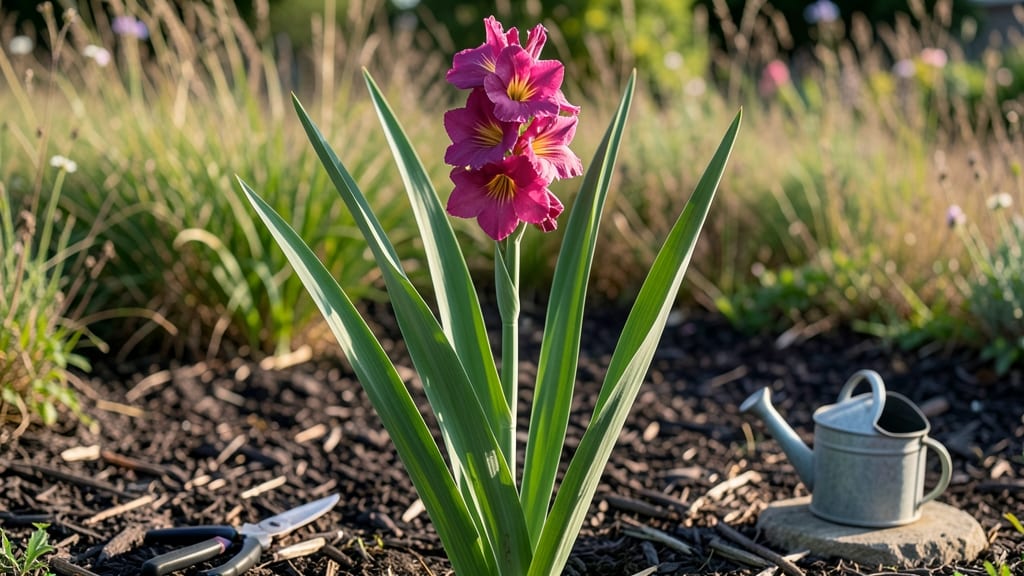
Whether gladiolus flowers grow as perennials or annuals depends entirely on your climate. In most regions, they're treated as annuals because their corms die back in cold weather, but with proper winter protection or replanting, they can regrow like perennials in frost-free zones.
Gladiolus corms are the secret to their adaptability—these underground bulbs store energy and can survive dormancy when temperatures drop. 🌱 In warmer climates like USDA Zone 8+, they often return year after year naturally, while colder regions require gardeners to dig up and store corms over winter.
The key difference lies in frost sensitivity: even a light freeze can trigger dormancy, making annual treatment standard in most gardens. I’ve found that mulching heavily or using frost blankets in marginal zones can sometimes coax perennial behavior.
This dual nature makes gladiolus a favorite for gardeners who want long-season blooms without committing to true perennials. Their ability to regrow from corms—when given the right conditions—means you can effectively extend their lifespan beyond a single season. The trade-off? More hands-on care in colder climates to prevent corm loss.
💡 In This Article
- Gladiolus Life Cycle: Why They Act Like Perennials in Some Regions
- How to Extend Gladiolus Blooms: Planting and Care Tips for Longer Seasons
Gladiolus life cycle: why they act like perennials in some regions
Here's what's actually happening underground: gladiolus plants rely on corms—thickened, solid stems that store starches and nutrients—rather than true bulbs. When temperatures drop below 40°F, these corms enter a state called dormancy, halting growth to conserve energy.
This natural survival mechanism explains why they "die back" in cold climates. The key trigger is frost: even light freezes (32°F) can damage corm tissue, forcing gardeners to replant annually in colder zones.
The difference between annual and perennial behavior comes down to USDA hardiness zones. In Zone 8+ (average minimum 10-20°F), gladiolus corms often survive winters naturally, especially when planted in well-drained soil with 3-4 inches of mulch.
The corms remain dormant but intact, ready to sprout when soil temperatures rise above 55°F in spring. In contrast, Zone 7 and colder require corm lifting and storage—digging them up before 32°F freezes and storing in 40-50°F conditions with 50% humidity to prevent desiccation.
What most people don't realize is how temperature fluctuations during dormancy affect regrowth. Corms need a 2-3 month cold period (similar to tulip bulbs) to break dormancy, but prolonged exposure to below 32°F can kill them.
This is why Zone 8+ gardens often see "perennial" behavior—the corms experience just enough chill to reset while avoiding lethal frost. In colder zones, gardeners must simulate this cycle artificially by storing corms in cool, dark spaces until spring planting.
The science behind this involves abscisic acid, a plant hormone that accumulates during cold stress, triggering dormancy. When temperatures stabilize above 60°F, the corms produce gibberellins, hormones that stimulate root and shoot growth.
This hormonal shift explains why gladiolus often bloom 60-90 days after planting—once the corms sense consistent warmth. The trade-off? In colder climates, this natural cycle gets interrupted by winter, forcing annual replanting.
Consider these zone-specific survival strategies:
- Zone 8+ (perennial potential): Corms survive in-ground with heavy mulch (4+ inches of straw or leaves). Soil temperatures rarely drop below 20°F for long periods.
- Zone 7 (marginal): Use black plastic mulch or frost blankets to insulate corms. Lift and store if winters dip below 15°F.
- Zone 6 and colder (annual treatment): Always dig up corms before 32°F freezes. Store in paper bags (not plastic) with peat moss to maintain 50% humidity.
The regrowth trigger is simple: once soil temperatures hit 55°F consistently, corms begin metabolizing stored starches into sugars for new growth. This is why early spring planting (2-4 weeks before last frost) gives gladiolus a head start.
In frost-free zones, the corms "remember" their planting location, often sprouting in the same spot year after year—hence the perennial-like behavior. 🌱