
Planting
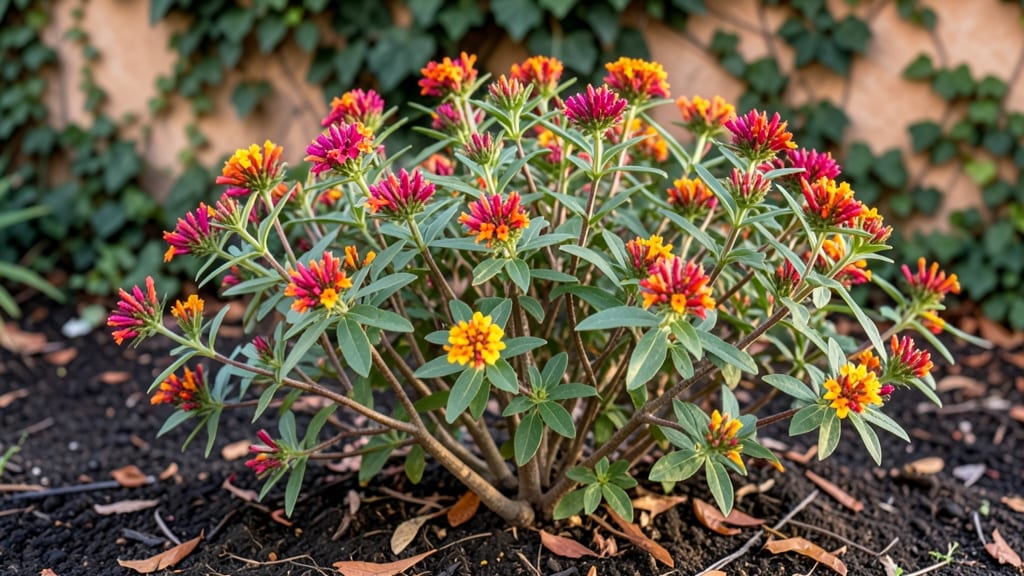
Lantana isn’t a true perennial in Zone 6 because it dies back completely when temperatures drop below 10°F (-12°C), though it often returns from roots or self-seeds in spring. For guaranteed survival, treat it as an annual or overwinter potted plants indoors.
Lantana’s tropical origins mean it thrives in warmer climates (Zones 8-11), where it naturally resists freezing. 🌱 In colder regions like Zone 6, the plant’s above-ground growth typically perishes, but its hardy root system often survives to sprout new shoots once temperatures rise.
This resilience explains why many gardeners still grow lantana despite its non-perennial status—it’s essentially a self-replenishing annual.
If you’re set on keeping lantana in Zone 6, consider planting it in containers that can be moved indoors during winter. A thick layer of mulch around the base can also provide some protection against early frosts.
For a more reliable perennial option, try cold-hardy alternatives like butterfly bush or salvia, which handle Zone 6 winters with ease.
💡 In This Article
- Why Lantana Struggles in Zone 6 Winters
- Zone 6 Lantana Alternatives and Care Tips
Why lantana struggles in Zone 6 winters
Lantana's tropical origins make it highly sensitive to cold, as it evolved in warm climates where temperatures rarely drop below 40°F (4°C). The plant's native range spans Zones 8-11, where it thrives year-round without protection.
When exposed to Zone 6's winter temperatures—especially below 20°F (-7°C)—lantana's cellular structure begins to freeze, disrupting its metabolic processes and causing irreversible damage to above-ground growth.
The key mechanism is ice crystal formation within plant cells. When temperatures fall below 32°F (0°C), water inside lantana's leaves and stems begins crystallizing, piercing cell walls and rupturing membranes. This process is particularly damaging to the plant's vascular system, which transports water and nutrients.
Unlike cold-hardy perennials that develop protective compounds like antifreeze proteins, lantana lacks these adaptations, making it vulnerable to even brief cold snaps.
What often confuses gardeners is lantana's ability to regrow from roots. This happens because the plant's root zone—typically buried 6-12 inches deep—retains some heat from the soil and can survive brief freezes down to 10°F (-12°C).
The roots act as a biological "memory bank," storing carbohydrates that fuel new growth when spring arrives. However, this isn't true perennial behavior—it's more like a survival strategy of a plant adapted to seasonal dieback in its native habitat.
Here's what happens at different temperature thresholds:
- Above 32°F (0°C): Lantana remains dormant but intact, with no visible damage
- 20-32°F (-7 to 0°C): Leaves blacken and stems become brittle, but roots often survive
- Below 10°F (-12°C): Complete above-ground dieback occurs, though roots may persist
The plant's cold sensitivity extends to its reproductive cycle too. Lantana flowers and seeds typically form in response to warm temperatures and long daylight hours.
When grown in Zone 6, the plant focuses its energy on vegetative growth during the short summer season rather than establishing deep root systems that could better withstand winter. This biological priority further limits its ability to survive cold winters as a true perennial.
What most gardeners don't realize is that lantana's resilience in Zone 6 comes at a cost: it diverts energy from root development to rapid regrowth in spring.
This creates a cycle where the plant appears perennial but is actually in a constant state of recovery, making it less vigorous than true cold-hardy perennials. 🌱