
Plants
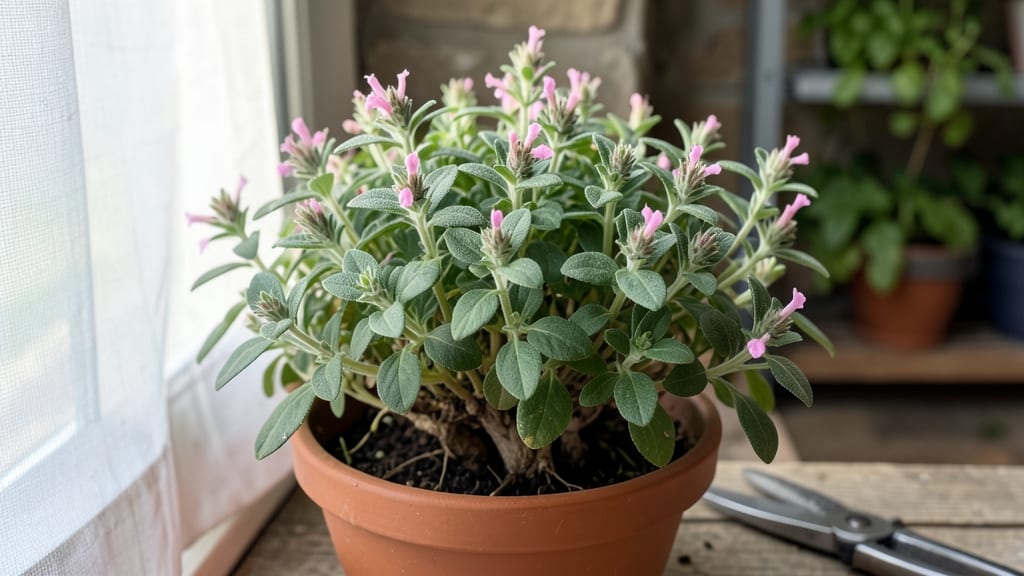
Italian oregano is a perennial herb in USDA zones 5-9, thriving as a hardy annual in colder regions. With proper mulching and winter protection, it can survive mild winters, though frost-sensitive varieties may die back and regrow each spring.
Italian oregano's perennial status depends on your climate—it naturally thrives as a multi-year plant in zones 5-9, where its roots can withstand freezing temperatures. 🌱 The key difference from annuals is its ability to regenerate from the same root system, though harsh winters may still cause above-ground dieback.
I've found that varieties like 'Santo' handle cold better than others, making them ideal for gardeners in marginal zones.
For colder regions outside its native range, Italian oregano behaves more like a hardy annual, completing its life cycle each year.
The secret to extending its perennial life lies in protective measures: thick mulch layers and frost cloth can make all the difference between a dead plant and one that surprises you with new growth in spring.
💡 In This Article
- Italian Oregano’s Cold Hardiness by USDA Zone
- Overwintering Italian Oregano: Step-by-Step Protection Guide
Italian oregano’s cold hardiness by USDA zone
The perennial nature of Italian oregano hinges on its root system's ability to survive freezing temperatures, particularly in USDA zones 5-9. In these regions, the roots can endure down to 10°F (-12°C), while top growth typically dies back when temperatures drop below 20°F (-6°C).
This is why you'll see brown, crispy stems in winter—the plant conserves energy in its roots until spring. The key difference from annuals is that perennial oregano's roots remain viable, allowing regrowth once temperatures rise.
Here's what happens at the cellular level: Italian oregano produces antifreeze proteins during cold snaps, which prevent ice crystals from forming in its tissues. These proteins work similarly to those in cold-hardy vegetables like kale. However, prolonged exposure below 10°F (-12°C) can damage even the roots, especially in younger plants.
In contrast, Greek oregano (a close relative) often handles colder temperatures better, with some varieties surviving down to 5°F (-15°C) thanks to thicker, more woody stems that act as natural insulation.
The zone breakdown reveals practical implications: In zone 5, Italian oregano may need 6-8 inches of mulch to protect roots, while in zone 9, it might only require light frost cloth during rare cold snaps.
What most gardeners don't realize is that the plant's hardiness varies by variety—'Santo' oregano, for example, handles zone 5 winters better than 'Greek' types due to its compact, bushy growth habit that traps heat near the soil.
This is why choosing the right cultivar can mean the difference between a thriving perennial and a one-year wonder.
Temperature thresholds also explain why Italian oregano behaves differently in containers versus in-ground plantings. Potted plants freeze more quickly because their roots have less soil mass to moderate temperature swings.
In zone 6, a container-grown plant might need to be moved to an unheated garage when nighttime temps drop below 25°F (-4°C), while an in-ground plant could survive with just a thick straw mulch. The root zone's insulation capacity is what separates true perennials from annuals in marginal climates.
Comparing Italian oregano to its Mediterranean cousin reveals another layer: Greek oregano's leaves contain higher levels of volatile oils that act as natural antifreeze agents. These oils create a protective film on leaf surfaces that slows water loss during cold snaps—a trait Italian oregano lacks.
This is why Greek varieties often survive 5°F (-15°C) temperatures while Italian types may suffer damage at 15°F (-9°C). For gardeners in zone 5, this means Greek oregano might be the more reliable perennial choice.
The science of oregano hardiness also explains why proper winter care can extend its perennial life in colder zones. When you apply 4-6 inches of straw mulch over the root zone, you create an insulating blanket that maintains soil temperatures 5-10°F warmer than ambient air.
This small temperature difference can mean the difference between root survival and death during 20°F (-6°C) freezes. The mulch works by trapping air pockets that act as insulation, similar to how down jackets keep you warm.