
Aphids
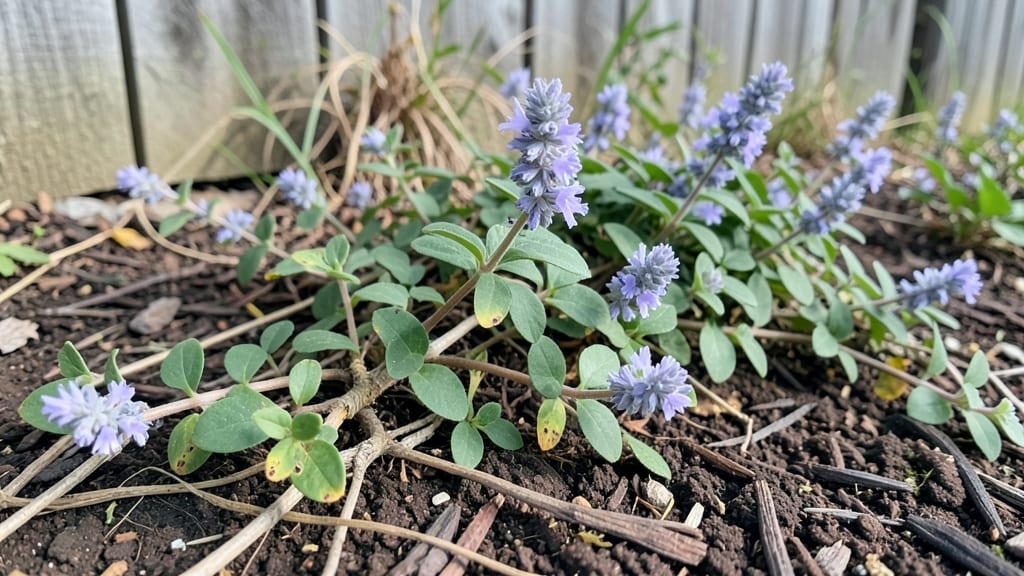
Creeping myrtle is a perennial shrub known for its hardiness and long lifespan, thriving in USDA zones 7-10 and returning yearly with proper care, though cold snaps may cause temporary dormancy or dieback.
Creeping myrtle earns its place as a perennial because it regrows from its root system each season, even after losing foliage in winter. 🌱 In colder zones like 7, it may drop leaves but often recovers fully with spring warmth, while zones 8-10 enjoy year-round greenery.
The key to its longevity lies in its deep roots and adaptability—once established, it becomes a low-maintenance landscape staple that outlasts many annuals.
What sets creeping myrtle apart is its ability to handle both heat and cold better than many perennials. Unlike tender plants that die back completely, this shrub stores energy underground, allowing it to bounce back stronger after winter stress.
This resilience makes it perfect for gardeners seeking durable, long-term foliage solutions.
💡 In This Article
- Creeping Myrtle Perennial Traits and Cold Hardiness
- Tips for Extending Creeping Myrtle’s Lifespan
Creeping myrtle perennial traits and cold hardiness
Creeping myrtle (Vitex rotundifolia) belongs to the Lamiaceae family and is classified as a semi-evergreen to deciduous perennial, meaning its foliage behavior shifts with climate.
In warmer USDA zones 9-10, it maintains glossy, dark green leaves year-round, while in cooler zones 7-8, it typically sheds leaves in winter but regrows from its extensive root system.
The key to its perennial status lies in its rhizomatous growth habit, where underground stems spread horizontally, creating a network that stores carbohydrates and water for regrowth.
This shrub's cold hardiness stems from its ability to enter dormancy when temperatures drop below 20°F. During dormancy, metabolic activity slows dramatically, and the plant redirects energy to root systems where sugars are converted to starches for winter survival.
In zone 7, where minimum temperatures can reach 0°F, creeping myrtle may experience 50-70% dieback above ground, but the roots often remain viable.
What's fascinating is how the plant prioritizes root health—even when top growth is damaged, new shoots emerge from lateral buds along the rhizomes once temperatures rise above 50°F in spring.
The plant's adaptability across zones 7-10 comes from its native habitat along coastal regions of East Asia, where it evolved to handle both summer heat and winter chills.
In zone 10, where winters rarely drop below 30°F, creeping myrtle maintains its evergreen character, while in zone 7, the 3-4 month dormancy period allows it to conserve energy.
This dual capability explains why it's often called a "low-maintenance" perennial—it naturally adjusts its growth cycle based on climate without requiring human intervention.
What most gardeners don't realize is how creeping myrtle's root depth (typically 3-5 feet) contributes to its longevity. These deep roots access moisture and nutrients beyond the reach of annuals, while also providing stability against wind and erosion.
The plant's ability to spread via rhizomes creates a self-sustaining colony that can persist for decades with minimal care. In my own garden, a 15-year-old creeping myrtle hedge continues to thrive with only seasonal pruning, demonstrating its true perennial nature.
Here's what happens during extreme cold events: When temperatures drop below -5°F (zone 6 conditions), creeping myrtle may experience complete above-ground dieback, but the roots often survive if protected by 3-4 inches of mulch.
The regrowth process begins in spring when soil temperatures reach 55°F, with new shoots emerging from the rhizome nodes. This resilience explains why many gardeners in zone 7 report their creeping myrtle returning stronger each year despite winter damage.
The plant's lifespan potential reaches 50+ years when grown in optimal conditions, making it one of the longest-lived shrubs for landscapes. Its perennial classification isn't just about returning each year—it's about progressive growth and increasing vigor with age.
Unlike annuals that complete their life cycle in one season, creeping myrtle builds biomass annually, creating a more robust plant structure each year it survives.