
Shrubs
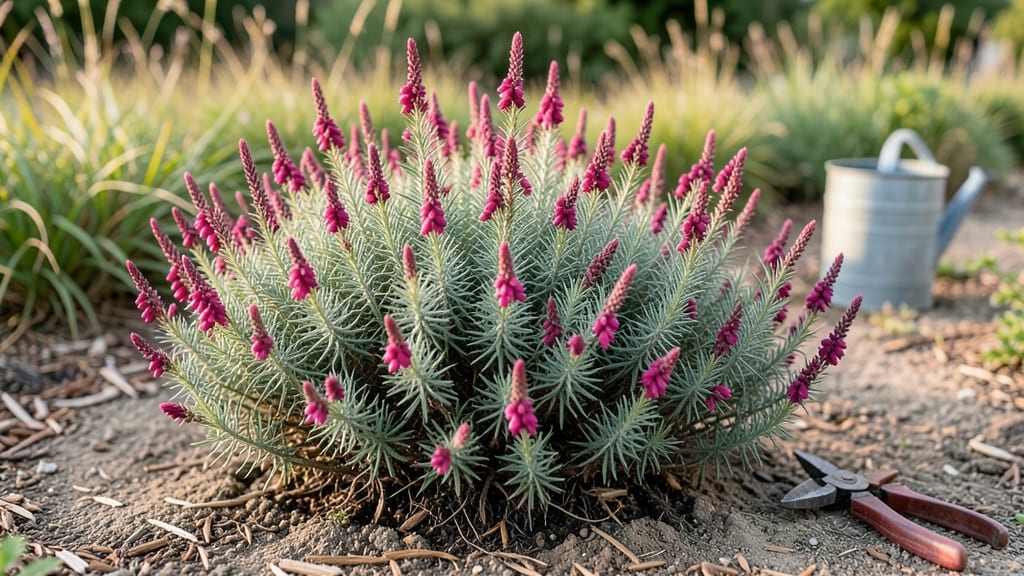
Yes, heather is a perennial plant that thrives for multiple years, often forming dense mats or shrubs with blooms lasting decades under ideal conditions like acidic soil and full sun exposure. Most varieties survive winter dormancy and regrow annually, though growth rates vary by species.
Heather's perennial nature comes from its deep root systems, which anchor the plant and store nutrients for regrowth each spring. 🌱 Unlike annuals, these shrubs enter dormancy in winter but bounce back when temperatures rise, often flowering for years if given proper care.
The key to their longevity lies in their adaptability—whether you're growing Calluna vulgaris (common heather) or Erica species, they thrive in poor, acidic soils where many other plants struggle.
What sets heather apart is its ability to handle harsh conditions, from cold winters to drought. This hardiness makes it a low-maintenance choice for gardeners looking for long-term color and texture. However, proper pruning after flowering and occasional division can help prevent overcrowding, which might otherwise shorten its lifespan.
💡 In This Article
- Heather Plant Lifespan and Growth Habits
- Caring for Perennial Heather in Gardens
Heather plant lifespan and growth habits
Heather's perennial status stems from its specialized root system, which extends deep into the soil to access moisture and nutrients even in nutrient-poor environments. The fibrous roots create a dense network that stabilizes the plant and stores carbohydrates during dormancy.
This adaptation allows heather to survive harsh winters in zones 4-7, where temperatures can drop below -20°F. The key biological mechanism is its ability to enter bud dormancy, where growth slows almost completely but metabolic processes continue at minimal levels to preserve energy.
Two dominant genera—Calluna vulgaris (common heather) and Erica species—demonstrate different growth patterns. Calluna typically grows in low, spreading mats reaching 1-3 feet tall, while Erica species often form upright shrubs up to 6 feet.
What's fascinating is their flowering cycle: most heathers bloom in late summer to early fall, with flowers lasting 4-8 weeks before seeds form.
The flowers' nectar-rich structure attracts pollinators while the seeds contain a hard outer layer that requires cold stratification (a winter chilling period) to germinate—nature's way of timing new growth with spring conditions. 🌿
The plant's cold hardiness comes from its waxy leaf cuticle and ability to supercool cellular fluids, preventing ice crystal formation that would damage tissues. This physiological adaptation explains why heather thrives in alpine regions and coastal cliffs where other plants would perish.
Interestingly, Erica carnea (spring heather) can even flower while still dormant, producing vibrant blooms in late winter when snow still covers the ground—a remarkable survival strategy in cold climates.
Growth rates vary dramatically between species and conditions. Calluna vulgaris typically grows 6-12 inches per year under optimal conditions, while Erica arborea (tree heather) can reach 20 feet over decades.
The secret to their longevity lies in their slow, steady growth pattern—heather plants often live 30-50 years or more when properly cared for, with some ancient specimens exceeding 100 years. This contrasts sharply with annual plants that complete their entire life cycle in a single season.
What most gardeners don't realize is how heather's growth responds to light intensity. In full sun, plants develop denser foliage and more robust flowering stems, while partial shade encourages taller, leggier growth.
The plant's ability to photosynthesize efficiently at low light levels (a trait called shade tolerance) explains why heather thrives in woodland understories where sunlight might be limited to just a few hours daily. This adaptability makes heather one of nature's most resilient perennials. ✨
Consider the environmental trade-offs: while heather's deep roots help it survive drought, they also make transplantation difficult after the first few years. The root system becomes so extensive that moving established plants often results in shock or death.
This biological constraint explains why heather is typically grown from cuttings or seeds rather than relocated mature specimens—a practical consideration for gardeners planning their landscapes.