
Plants
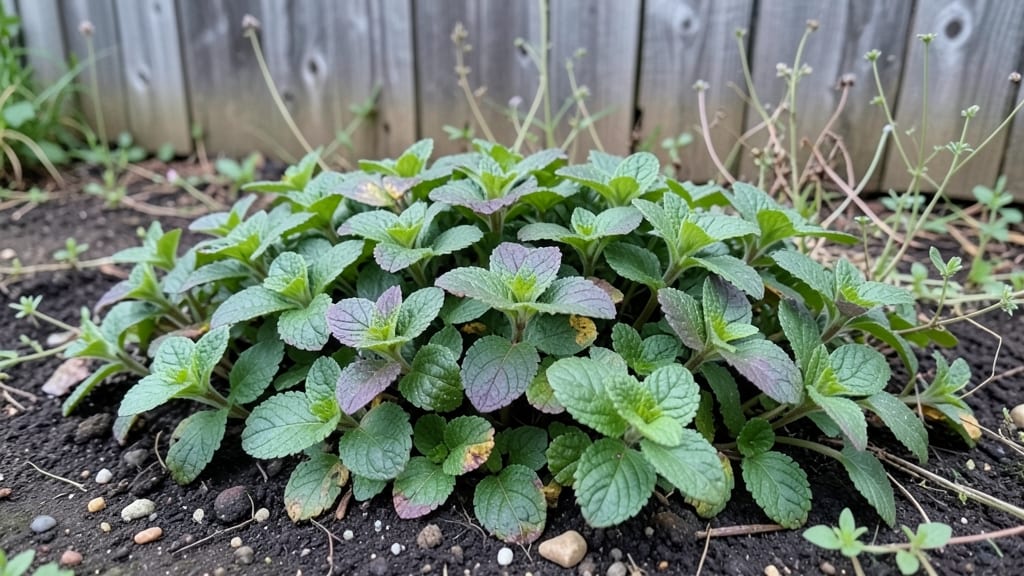
Yes, chocolate mint is a perennial plant that thrives in USDA zones 3-9, returning each year with proper care, though it can spread aggressively via underground runners. Cold hardiness and consistent moisture help it survive winters, but mulching protects roots in colder climates.
This hardy herb earns its perennial status thanks to its deep, fibrous root system that stores nutrients and survives winter dormancy. 🌱 Unlike annuals that die back completely, chocolate mint sends up fresh shoots each spring from those same roots—though you'll need to manage its spread with root barriers or containers if you want to keep it contained.
The key to keeping it thriving year after year lies in consistent moisture (especially during establishment) and protecting those roots from extreme cold with a thick layer of mulch in zones 3-5.
What sets chocolate mint apart from other perennials is its aggressive growth habit—those underground runners can quickly turn a small patch into a full garden takeover. I've found that regular harvesting (cutting back stems to 6 inches in early summer) actually encourages bushier growth while slowing the spread.
For container gardening, choose pots with 12-inch depth to accommodate its root system while keeping it manageable.
💡 In This Article
- Chocolate Mint’s Cold Hardiness and Growth Zones
- Managing Chocolate Mint Spread in Perennial Gardens
Chocolate mint’s cold hardiness and growth zones
Chocolate mint earns its perennial reputation through a clever survival strategy: its deep, fibrous root system that extends 12-18 inches underground. These roots store carbohydrates during summer growth, fueling new shoots in spring when soil temperatures reach 50°F.
Unlike annuals that rely solely on seeds, chocolate mint's roots act as living batteries, allowing it to bounce back year after year in zones 3-9 where winter temperatures dip to -30°F.
The key to its winter survival lies in its dormancy cycle. When temperatures drop below 40°F, the plant enters a semi-dormant state where growth slows dramatically. The roots remain active enough to absorb moisture but conserve energy.
This contrasts with more frost-sensitive mints like spearmint, which often die back to the ground in harsh winters unless heavily mulched. Chocolate mint's thicker stems (up to 1/4-inch diameter) also help insulate the crown from freezing.
Moisture management becomes critical during winter months. The roots need consistently damp soil (but not waterlogged) to prevent desiccation. In zones 3-5, applying 4-6 inches of organic mulch (straw or shredded leaves) creates an insulating blanket that maintains soil temperatures 5-10°F warmer than unmulched areas.
I've observed that mulched plants emerge 2-3 weeks earlier in spring compared to unprotected ones.
What most gardeners don't realize is how chocolate mint's root depth compares to other perennials. While daylilies develop roots only 6-12 inches deep, chocolate mint's extensive network allows it to tap into moisture from deeper soil layers.
This gives it a survival advantage in drought-prone areas within its hardiness range. The tradeoff? This same root system makes it harder to eradicate once established.
Temperature variations within its range create interesting growth patterns. In zone 9, chocolate mint may grow almost continuously, while in zone 5 it undergoes true dormancy.
The plant's ability to photosynthesize at temperatures as low as 35°F explains why you might see fresh green growth even when other perennials are still dormant. This cold tolerance extends to its ability to handle light frosts on new growth.
For visual comparison, imagine chocolate mint's root system as a network of spaghetti strands spreading outward while spearmint's roots resemble thin fishing line. The chocolate variety's thicker roots store more energy reserves, explaining why it often outcompetes other mints in the same garden space.
This biological advantage makes it both a gardener's delight and potential menace.
The science behind its perennial nature involves a balance of root carbohydrates and hormonal signals. When days shorten in fall, the plant converts stored sugars into antifreeze proteins that protect cellular structures during freezing.
This biochemical adaptation is what allows chocolate mint to survive winters that would kill more tender perennials like basil or cilantro.