
Shrubs
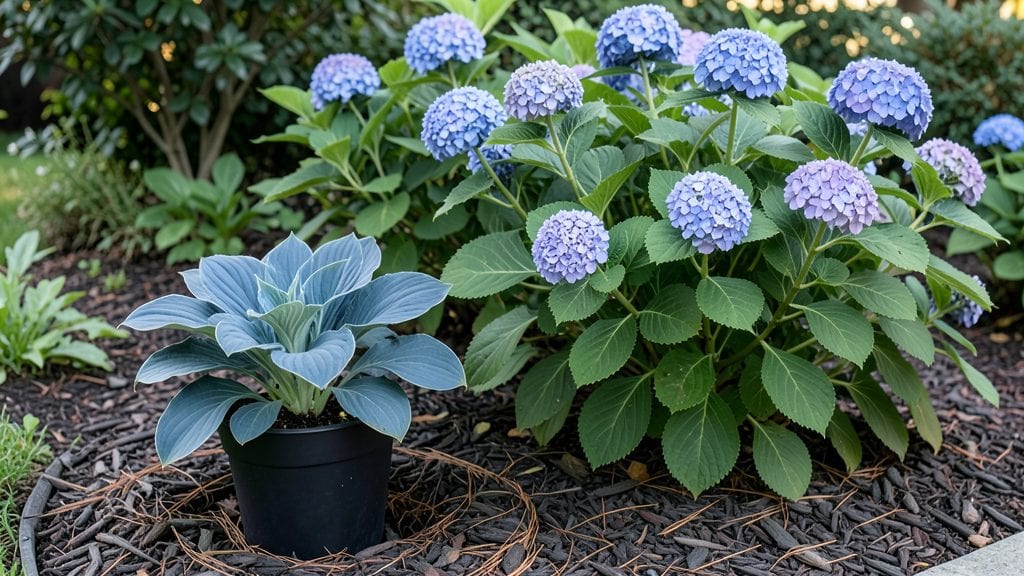
Growing a hydrangea perennial that thrives in either sun or shade is easier than you think — the key lies in understanding how light exposure changes everything, from bloom color to plant health.
Did you know your hydrangea’s flower color can shift dramatically based on sunlight? Whether you’re battling shade or basking in full sun, mastering this secret will transform your garden’s blooms—without buying new plants.
In USDA Zone 6a, where spring planting (April–May) sets the stage for summer blooms, the right light conditions can turn pale pink flowers deep blue or keep your 🌸 hydrangeas vibrant all season long.
Below, I’ll break down how to choose the perfect spot, adjust care for different light levels, and even tweak flower colors with simple soil tricks.
You’ll learn which varieties handle sun best, how much water they need in each setting, and the one pruning mistake that kills blooms—so your hydrangeas stay lush and colorful year after year.
 Best Window Placement
How sunlight exposure changes hydrangea flower colors (science-backed guide)
Sunlight doesn’t just determine whether your hydrangeas bloom—it directly controls their color through a fascinating pH-driven chemical process. In acidic soil, blue hydrangeas thrive, while alkaline conditions produce pink blooms.
But sunlight exposure shifts this balance, altering soil chemistry and flower hues. Understanding this light-to-color connection lets you create vibrant displays without repotting.
The magic happens through anthocyanin pigments, which react to soil pH levels influenced by sunlight. Macrophylla varieties (like 'Endless Summer') are especially responsive, while paniculata types (such as 'Limelight') show minimal color change. Oakleaf hydrangeas fall somewhere in between, offering a mix of adaptability.
Let’s explore how to harness this science for stunning results.
🌱 comparison table
| Hydrangea Type | Sunlight Needs | Color Shift (Sun vs. Shade) | Soil pH Impact | Best Light Spot |
|---|---|---|---|---|
| Macrophylla (e.g., 'Endless Summer') | Partial shade (4-6 hrs) | Pink → Blue (shade → sun) | Acidic (blue), Alkaline (pink) | Morning sun, afternoon shade |
| Paniculata (e.g., 'Limelight') | Full sun (6+ hrs) | Minimal change (creamy-white) | Neutral pH preferred | South or west-facing |
| Oakleaf (e.g., 'Snow Queen') | Partial shade to sun | Pink/white → Lavender (sun exposure) | Moderate pH tolerance | East or filtered light |
| Mount (e.g., 'Mikado') | Full shade to partial sun | Lilac → Deep purple (shade) | Acidic soil enhances color | North-facing or dappled shade |
For macrophylla hydrangeas, sunlight exposure directly alters soil acidity. In full sun, soil becomes more alkaline, shifting blooms from blue to pink. Conversely, shade-loving varieties like 'Nikko Blue' stay vibrant blue because cooler, moister soil remains acidic.
This is why morning sun with afternoon shade often produces the most dramatic color shifts.
If you’re growing paniculata hydrangeas, sunlight exposure matters less for color but affects bloom size and longevity. These varieties thrive in full sun, producing larger, more durable flowers. However, their creamy-white blooms won’t shift colors like macrophylla types.
For oakleaf hydrangeas, partial shade preserves their delicate pastel hues, while too much sun can cause leaf scorch and muted colors.
To test your hydrangea’s light sensitivity, observe blooms over two seasons. Note whether colors deepen in shade or fade in sun. For example, my 'Endless Summer' hydrangea turned a stunning royal blue after moving it to a north-facing spot with morning light.
The key is monitoring soil pH alongside sunlight changes—use a pH test kit ($10 at garden centers) for accuracy.
For USDA Zone 6a gardeners, spring planting (April–May) is critical. If your yard has limited shade, choose paniculata or oakleaf varieties that tolerate more sun. If you’re working with deep shade, macrophylla types like 'Annabelle' will reward you with bold, consistent colors year after year.
The one exception is 'Limelight', which actually needs full sun to reach its full potential.
Pro tip: If your hydrangea’s colors aren’t shifting as expected, check your watering habits. Overwatering in sun can dilute soil acidity, while drought stress in shade may prevent optimal pH levels.
Aim for 1 inch of water per week, adjusting for rainfall. Mulch with pine needles or oak leaves to naturally acidify soil over time—this works especially well for blue-loving varieties.
Remember, hydrangea color changes take time. It can take 6–12 months for soil pH to stabilize after moving a plant. If you’re impatient, try soil amendments like peat moss (for acid
Best hydrangea varieties for low sun vs. full sun gardens
Choosing the right hydrangea variety for your garden’s light conditions is the secret to stunning, long-lasting blooms. Some varieties thrive in low sun (morning light or dappled shade), while others love full sun (6+ hours of direct light).
The wrong placement can mean pale blooms, sparse flowers, or even plant decline. Let’s explore the best options for each setting so you can pick the perfect 🌸 hydrangea for your space.
For shade gardens, varieties like 'Nikko Blue' and 'Endless Summer' shine—literally. These macrophylla types produce vibrant blooms even with just 2–4 hours of sunlight. Meanwhile, full-sun lovers like 'Limelight' and 'Vanille Fraise' (paniculata types) need at least 6 hours of sun to reach their full potential.
The key? Matching your plant’s needs to your garden’s light map.
🌱 PROS-CONS BOX: Hydrangea Varieties by Sunlight
- Thrives in 2–4 hours of sun
- Bright blooms even in shade
- Lower water needs in cooler areas
- Pale blooms in deep shade
- Slower growth without enough light
- Prone to powdery mildew if too damp
- Bold, long-lasting blooms
- Heat-tolerant varieties available
- Drought-resistant once established
- Needs consistent watering in hot climates
- Some varieties need afternoon shade
- Can scorch leaves in intense afternoon sun
If your garden gets low sun, prioritize macrophylla types like 'Nikko Blue', which produces deep blue blooms in acidic soil. This variety thrives under tree canopies or on north-facing walls.
For full sun, paniculata hydrangeas like 'Limelight' are unbeatable—their cone-shaped blooms last from summer into fall and even change color as they age!
Care tips matter just as much as variety choice. In shade gardens, mulch heavily to retain moisture, and avoid over-fertilizing, which can lead to leaf burn. For sun-loving varieties, water deeply 2–3 times per week during dry spells and prune in late winter to encourage new growth.
A morning watering routine prevents fungal issues while keeping roots hydrated.
Pro tip: Test your soil’s pH level—shade-loving hydrangeas need acidic soil (5.0–6.0) for blue blooms, while sun varieties like 'Vanille Fraise' tolerate neutral to slightly alkaline soil (6.0–7.0). Adjust with lime or sulfur as needed to unlock the full color potential of your plants.
Ready to pick your perfect hydrangea? Start by mapping your garden’s sunlight—then choose a variety that matches your space. With the right light conditions and care, your hydrangeas will reward you with season-long color that’s the envy of the neighborhood! 🌿