
Flowers
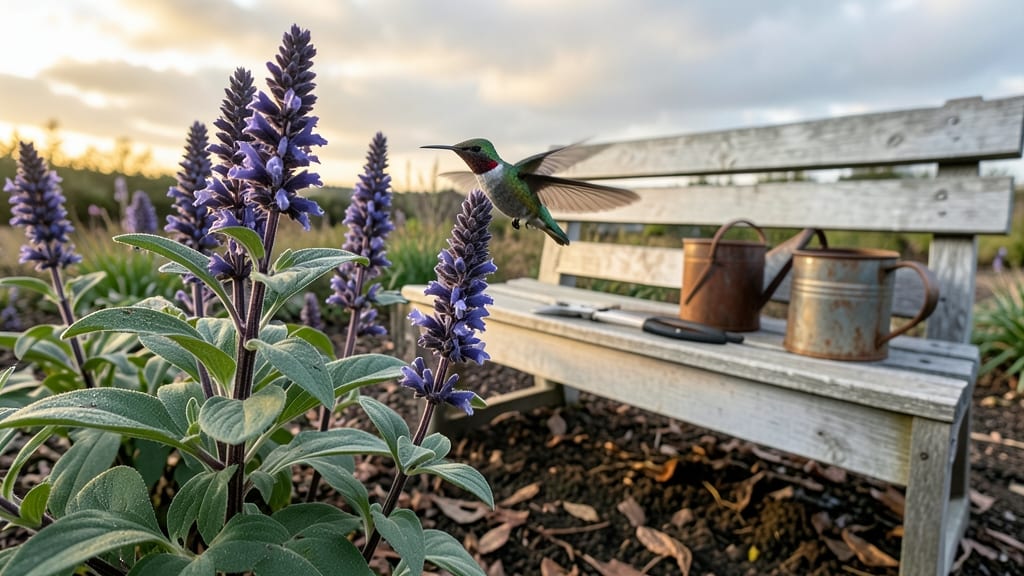
My hummingbird-perennial flowers garden has become the neighborhood’s secret spot—those tiny iridescent visitors never leave. 🌸 The key isn’t just planting red flowers (though they love those), but choosing perennials that bloom from spring through fall, giving hummingbirds a reason to linger all season long.
Start with bee balm, columbine, and salvia—they’re the workhorses of hummingbird gardens. These perennials thrive in full sun, need minimal fuss, and produce nectar-rich blooms that hummers can’t resist.
Pair them with coneflowers and black-eyed Susans for extra color and pollinator appeal, and you’ll have a garden that stays vibrant even when annuals fade.
By mid-summer, your garden will buzz with activity as hummingbirds dart between coral bells and purple coneflowers, their wings a blur of motion. The best part? These perennials return year after year, so once planted, they keep attracting visitors with zero extra effort.
Just add a shallow water source nearby, and you’ve got a hummingbird haven.
Works in every region—just swap out heat-sensitive varieties for drought-tolerant picks like salvia greggii in hot climates or heuchera in cooler zones. The design is flexible too: mix in containers for patios or let them spill over garden beds for a wild, natural look. Let’s get those hummers visiting!
📚 In This Guide
- What you need
- Instructions
- Tips and common mistakes
- Wrapping up and next steps
What you need
- ● Hummingbird-perennial flowers: 3–5 plants per variety (e.g., bee balm, columbine, penstemon, or coral bells). Choose disease-resistant varieties for longevity.
- ● Potting soil: 1–2 bags of high-quality, well-draining organic potting mix (10–20 lbs each). Avoid garden soil with heavy clay.
- ● Containers or garden beds: Containers: 5–10 gallon pots (1 per plant) with drainage holes. Terracotta or fabric pots work best.
- ● Garden beds: 6–12 inches of depth per plant, with full sun exposure (6+ hours/day).
- ● Slow-release fertilizer: 1–2 lbs of balanced, organic fertilizer (10-10-10 or similar) to mix into soil at planting.
- ● Mulch: 1–2 bags of organic mulch (e.g., shredded bark or straw) to retain moisture and suppress weeds.
- ● Garden tools: Trowel or hand shovel
- ● Pruning shears (sterilized)
- ○ Gloves (optional but recommended)
- ● Watering supplies: Watering can or hose with a gentle spray nozzle
- ○ Optional: Drip irrigation kit for automated care.
- ● Sunlight & location: Confirm a south-facing or west-facing spot with minimal shade (hummingbirds love direct sun!).
- ● Weather prep: Cold climates: Frost cloth or row covers for winter protection.
- ● Hot climates: Shade cloth (30–50%) for afternoon sun.
- ● Hummingbird feeders: 1–2 feeders filled with a 1:4 sugar-water solution (no dye!) for supplemental nectar.
- ● Native plant companions: Add salvia, honeysuckle, or fuchsia to extend the blooming season.
- ● Pest control: Neem oil or insecticidal soap to deter aphids or spider mites.
- ● Plant markers: Labels or stakes to track varieties and care notes.
Step-by-step guide to planting hummingbird-friendly perennials
Here’s how to create a thriving, low-maintenance garden that keeps hummingbirds visiting season after season.
🌱 Step 1: Select the Right Perennial Varieties
Start with four proven hummingbird magnets: bee balm (Monarda), columbine (Aquilegia), cardinal flower (Lobelia cardinalis), and butterfly weed (Asclepias). These perennials offer bright tubular blooms and continuous nectar production from late spring through fall. I always mix heights—tall cardinal flower at the back, mid-height bee balm in the center, and low-growing columbine in front—to create a layered, dynamic display.
Check your USDA hardiness zone before purchasing—some varieties (like cardinal flower) thrive in zones 3-9, while others (like butterfly weed) prefer zones 4-10. If you’re unsure, ask your local nursery for zone-specific recommendations. The key is choosing plants that return year after year with minimal effort.
☀️ Step 2: Plant in Full Sun with Proper Spacing
Hummingbirds need direct sunlight to fuel their high-energy flights, so plant your perennials in a spot that receives at least 6 hours of full sun daily. Most of these flowers tolerate partial shade, but they’ll bloom more prolifically—and attract more hummingbirds—when basking in sunlight. I dig holes twice as wide as the root ball but only as deep as the container’s base to prevent burying the crown.
Space plants according to their mature size: 18-24 inches apart for bee balm and columbine, 24-36 inches apart for cardinal flower, and 12-18 inches apart for butterfly weed. Overcrowding leads to weak stems and fewer flowers, which means fewer feeding opportunities for hummingbirds. After planting, water deeply to settle the soil and encourage root establishment.
💧 Step 3: Water Deeply and Mulch for Retention
For the first two weeks, water deeply every other day until the soil is 3-4 inches moist—this mimics natural rainfall and encourages deep root growth. After that, reduce to once a week, adjusting for your climate. Hummingbird perennials are drought-tolerant once established, but consistent moisture during their first season prevents stress. I always water in the early morning to reduce evaporation and fungal risks.
Apply a 2-inch layer of organic mulch (like shredded bark or pine straw) around each plant, keeping it 2 inches away from the stems to prevent rot. Mulch retains moisture, regulates soil temperature, and suppresses weeds—all while making your garden look polished. Replenish mulch annually in early spring to maintain its effectiveness.
✂️ Step 4: Prune and Deadhead for Continuous Blooms
In early spring, trim back any dead or damaged stems to 1-2 inches above the ground. This encourages fresh growth and prevents disease. For bee balm and butterfly weed, I also pinch back the tips in late spring to promote bushier, more abundant flowering. Hummingbirds return to gardens with consistent nectar sources, so deadheading spent blooms (removing faded flowers) keeps the plant producing new ones.
Here’s the trick: cut back bee balm and columbine by half after their first flush of blooms in midsummer. This triggers a second round of flowers that hummingbirds will notice and visit. Avoid heavy pruning in fall—let the plants go dormant naturally. In late winter, clean up any remaining debris to reduce pests and diseases for the next growing season.
🪴 Step 5: Add Supplemental Feeders (Optional but Effective)
While perennials provide natural nectar, hummingbird feeders can be a lifesaver during early spring (before flowers bloom) or late fall (when nectar sources dwindle). Use a 4:1 sugar-water ratio (4 parts water to 1 part white granulated sugar) and avoid red dye—it’s unnecessary and harmful. I hang feeders near (but not directly above) your perennial beds so hummingbirds can easily transition from feeders to flowers.
Clean feeders every 3-5 days with a 1:1 vinegar-water solution to prevent mold and bacterial growth. Never use honey or artificial sweeteners—they can be toxic to hummingbirds. Place feeders in a shady spot to slow sugar fermentation and keep the nectar fresh. Watch as hummingbirds learn to associate your garden with food, returning year after year.
Tips & tricks for perfect hummingbird-perennial gardens
Creating a hummingbird haven takes more than just planting flowers—it's about understanding their preferences and optimizing your garden's layout. Here's what I've learned after years of watching these tiny visitors flock to my yard.
Layering for Visual Appeal: The height arrangement I mentioned—cardinal flower at the back, bee balm in the middle, and columbine in front—does more than just look beautiful. Hummingbirds naturally approach flowers from different angles, and this layered approach creates a three-dimensional feeding station they can navigate efficiently. I've noticed they'll often start at the tallest flowers and work their way down, which helps prevent crowding at any single plant.
Soil Preparation Matters: Before planting, I always amend the soil with a 2-inch layer of compost mixed into the top 6 inches. These perennials thrive in well-draining soil with a slightly acidic pH (around 6.0-7.0). The compost provides essential nutrients while improving drainage, which is crucial for preventing root rot—especially important for cardinal flower which can be particularly sensitive to soggy conditions. Don't skip this step if your native soil is heavy clay or sandy.
Planting Timing Strategy: The best time to plant these perennials is in early spring or early fall, when temperatures are mild. Planting in late spring gives roots time to establish before summer heat arrives, while fall planting allows roots to grow before winter dormancy. I've found that plants established in these windows produce more blooms the following season because they've had time to develop strong root systems before their first full growing period.
Seasonal Maintenance Calendar: Create a simple seasonal checklist: Spring (prune dead stems, add mulch), Summer (deadhead regularly, watch for pests), Fall (reduce watering, clean up debris), and Winter (protect tender plants if needed). This consistent care schedule ensures your hummingbird garden remains productive year after year. I keep mine posted on my fridge as a reminder—trust me, you'll forget without it!
Pro Tips for Hummingbird Perennial Flowers
- Creating a hummingbird haven takes more than just planting flowers—it's about understanding their preferences and optimizing your garden's layout.
- Layering for Visual Appeal: The height arrangement I mentioned—cardinal flower at the back, bee balm in the middle, and columbine in front—does more than just look beautiful.
- Soil Preparation Matters: Before planting, I always amend the soil with a 2-inch layer of compost mixed into the top 6 inches.
Frequently asked questions
Got questions about growing hummingbird-perennial flowers? You’re not alone! Here are some of the most common queries—and their answers—to help you create a buzzing, bird-friendly garden.
What’s the easiest hummingbird-perennial flower to grow for beginners?
Start with bee balm (Monarda) or columbine (Aquilegia)—both are hardy, low-maintenance, and thrive in partial sun. Bee balm also has the bonus of being deer-resistant! Plant in well-draining soil, water regularly, and watch hummingbirds flock to your garden in no time.
When is the best time to plant these perennials for year-round blooms?
For most hummingbird perennials, spring (after the last frost) or early fall are ideal. This gives roots time to establish before extreme heat or cold. If you’re in a mild climate, you can even plant in late winter! Just ensure the soil isn’t frozen or waterlogged.
Can I grow these flowers in containers instead of a garden bed?
Opt for compact varieties like penstemon or salvia, which do well in pots (12+ inches deep). Use a high-quality potting mix with good drainage, and place containers in a spot with at least 6 hours of sunlight daily. Just remember to water containers more frequently than in-ground plants.
Why aren’t hummingbirds visiting my perennial flowers?
Check these common issues:
- Timing: Hummingbirds prefer red, tubular flowers—if yours are white or bell-shaped, they might not notice. Try adding red cardinal flower (Lobelia) as a draw.
- Location: Plant near feeders or in open areas where birds can spot them easily.
- Pesticides: Avoid chemicals—they can harm both flowers and birds! Use neem oil or insecticidal soap instead.
- Bloom cycle: Some perennials (like bee balm) bloom in waves. Mix in annuals like fuchsia for continuous nectar.
Do hummingbird perennials survive harsh winters?
Most do, but mulch heavily (3–4 inches) in fall to protect roots from freeze-thaw cycles. Evergreens like skullcap (Scutellaria) or heather (Calluna) provide winter interest and shelter. In Zone 3 or colder, choose cold-hardy varieties like Russian sage (Perovskia) or butterfly weed (Asclepias).
Pro Tip:
For non-stop blooms, deadhead spent flowers (remove faded blooms) every 2–3 weeks. This encourages reblooming and keeps your garden looking fresh—plus, it signals to hummingbirds that food is always available!
Wrapping up and next steps
Transforming your garden into a hummingbird haven with perennial flowers isn’t just rewarding—it’s a joyful act of nature’s teamwork! 🌸 These vibrant blooms bring color, life, and a symphony of wings year after year, while supporting pollinators and adding charm to your outdoor space.
Whether you’re a seasoned gardener or just starting, the key is to start small, stay consistent, and let curiosity guide you.
Ready to take the next step? Pick one or two perennials from our list, grab your gardening tools, and plant with confidence! Before you know it, your garden will buzz with activity—and you’ll be the proud host of a feathered feast. Happy planting! 🌿