
Tools
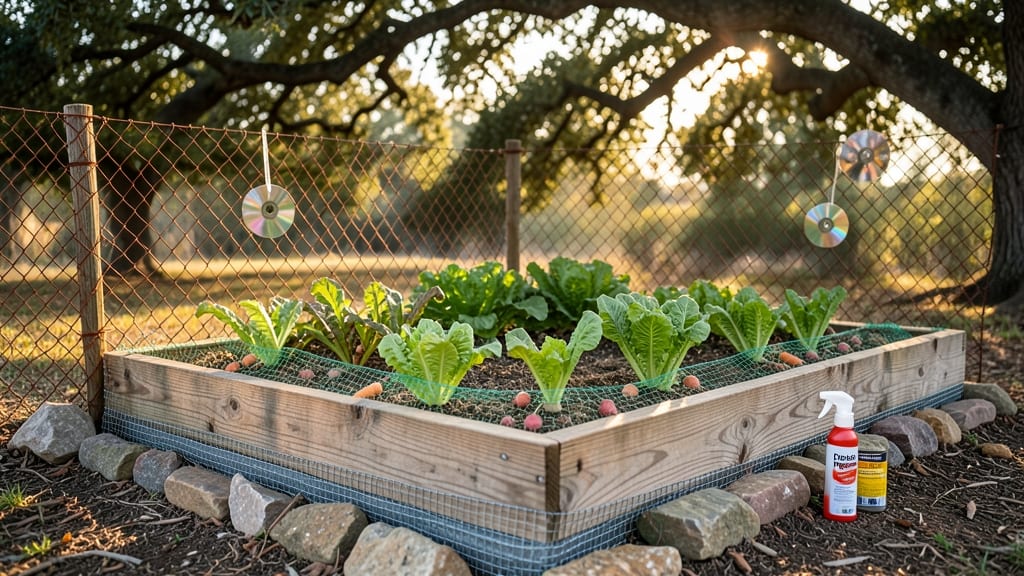
My garden bed went from how to protect garden bed from animals lush to lunchbox overnight—until I learned these predator-defying barriers that actually work. 🌱 The key isn’t just fencing; it’s smart layering of physical protection, natural deterrents, and humane tricks that keep critters out without harming them.
I tried everything from chicken wire to ultrasonic devices, but the real game-changers were buried hardware cloth (rabbits can’t dig through it) and motion-activated sprinklers (deer hate getting sprayed). Even marigolds around the perimeter help—animals avoid the strong scent, and they’re pretty while they work.
By combining these methods, you’ll see results within 24 hours—no more chewed leaves or vanished plants. The best part? Most solutions are DIY-friendly and adaptable to any garden size, whether you’re protecting a single pot or a full raised bed.
Seasonal tweaks matter: heavier mulch in winter, extra netting during berry season. Here’s exactly how to set it up without breaking the bank or the ecosystem.
📚 In This Guide
- What you need
- Instructions
- Tips and common mistakes
- Wrapping up and next steps
What you need
- ● Hardware cloth or wire mesh: 18–22 gauge, ¼"–½" mesh (minimum 3 ft tall, adjust for bed height). Pro tip: 💡 Use galvanized or aluminum-coated for durability.
- ● Sturdy wooden posts or metal stakes: 4–6 per bed (4 ft tall, pressure-treated or cedar).
- ● Heavy-duty zip ties or fencing staples: 50+ for securing mesh.
- ● Garden twine or burlap: 50 ft roll (for temporary or layered barriers).
- ● PVC pipes or metal flashing: 10 ft (for DIY over-the-top cages).
- ● Sharp scissors or wire cutters: For clean cuts on mesh.
- ● Measuring tape & level: Ensure even spacing and height.
- ● Motion-activated sprinklers: 1–2 units (deters deer/rabbits with a surprise spray).
- ● Compost or coffee grounds: Sprinkle around the base to mask scent (confuses burrowing pests).
- ● Reflective tape or old CDs: Hang near beds to scare off birds.
- ● Predator urine (fox/deer):strong> Small bottles (non-toxic, mimics territorial warnings).
- ● Landscape fabric: Lay beneath hardware cloth to block digging.
Step-by-Step instructions for creating animal-proof garden barriers
Here’s how I’ve kept my raised beds predator-free for years—no more chewed leaves or vanished seedlings.
🌱 Step 1: Assess the Threat Level and Choose Barrier Materials
Start by identifying what’s actually raiding your garden. Squirrels, rabbits, and deer require different defenses. For burrowing pests like gophers, you’ll need hardware cloth buried at least 12 inches deep around the perimeter. For above-ground critters, floating row covers or wire mesh with ¼-inch or smaller holes works best.
I always use galvanized steel mesh for permanent installations—it won’t degrade like plastic over time. If you’re dealing with deer, go for 8-foot-tall fencing with no gaps larger than 4 inches. For smaller animals, chicken wire (though less durable) can work temporarily. Measure your bed dimensions first to avoid buying too much.
✂️ Step 2: Install Physical Barriers with Precision
For raised beds, line the inside bottom with hardware cloth before adding soil—this stops moles and voles from tunneling up. Secure it with staple guns every 6 inches along the edges. If you’re protecting in-ground beds, bury the mesh at a 15-degree angle so animals can’t dig underneath. I’ve seen rabbits bypass flat barriers in seconds.
For above-ground protection, drape floating row covers over plants and anchor the edges with bricks or landscape stakes. Leave 6-8 inches of slack at the center to accommodate plant growth. If using wire mesh, bend it into a U-shape around individual plants and secure with zip ties—this prevents rabbits from nibbling through the stems.
💧 Step 3: Layer Repellents for Extra Defense
Combine physical barriers with natural repellents for a multi-layered approach. Sprinkle hot pepper flakes or commercial predator granules (like Bobbex) around the bed’s perimeter—reapply after rain. I also plant strong-scented herbs like rosemary or thyme along the edges; the aroma deters many small pests.
For deer, soapy water sprays (mix 1 tbsp castile soap per gallon of water) work temporarily. Reapply every 2-3 days after rain. Motion-activated sprinklers are another game-changer—I’ve seen them scare off raccoons mid-heist. Place them 10-15 feet from the bed for maximum effectiveness.
☀️ Step 4: Monitor and Adjust Seasonally
Check your barriers weekly for gaps or damage. Animals are resourceful—rabbits will gnaw through weak spots, and squirrels will dig under loose mesh. Reinforce any compromised areas immediately. In late summer, prune plants to reduce hiding spots for pests like mice.
Adjust your strategy based on what’s working. If you notice new holes, bury mesh deeper or switch to a finer mesh. I’ve had to upgrade from ½-inch to ¼-inch holes after seeing voles escape through the larger gaps. Keep a garden journal to track which barriers hold up best in your climate.
Tips & tricks for predator-defying garden barriers
Real talk: I’ve lost entire plantings to determined critters, so I’ve learned these tricks the hard way. These insights will help you build barriers that actually hold up against hungry visitors.
Material Selection Matters: When choosing hardware cloth in Step 1, opt for galvanized steel with ¼-inch or smaller holes—this stops even the most persistent rabbits. I’ve seen voles slip through larger gaps, so don’t skimp on mesh quality. For deer, the 8-foot height is non-negotiable; they’ll jump or climb anything shorter. If you’re on a budget, chicken wire works for temporary protection but needs frequent checks for damage.
Installation Precision Pays Off: In Step 2, that 15-degree angle for buried mesh isn’t just a suggestion—it’s what keeps animals from digging underneath. Use staple guns every 6 inches along edges to prevent gaps where pests can squeeze through. For floating row covers, the 6-8 inches of slack at the center is crucial; without it, your plants will outgrow the protection before they’re fully protected.
Layered Defense is Non-Negotiable: Step 3’s repellents work best when combined with physical barriers. The hot pepper flakes or Bobbex granules create an unpleasant experience for animals that might bypass your mesh. I’ve found that reapplying every 2-3 days after rain is key—one application won’t last. For deer, motion-activated sprinklers placed 10-15 feet away create a psychological barrier that’s often more effective than the barriers themselves.
Seasonal Adjustments Save the Day: The weekly checks in Step 4 catch problems before they become disasters. I’ve had to upgrade from ½-inch to ¼-inch mesh after noticing new holes—don’t wait until your plants are already damaged. Keeping a garden journal helps track which barriers work best in your specific climate, so you can refine your approach year after year.
Pro Tips for Protect Garden Bed From Animals
- Real talk: I’ve lost entire plantings to determined critters, so I’ve learned these tricks the hard way.
- Material Selection Matters: When choosing hardware cloth in Step 1, opt for galvanized steel with ¼-inch or smaller holes—this stops even the most persistent rabbits.
- Installation Precision Pays Off: In Step 2, that 15-degree angle for buried mesh isn’t just a suggestion—it’s what keeps animals from digging underneath.
Frequently asked questions
Got questions? You’re not alone—protecting your garden from critters can feel like a puzzle! Here are some of the most common concerns and straightforward answers to help you keep your plants safe and sound.
What’s the best time of year to install animal deterrents?
Install barriers like fencing or netting before planting season, ideally in early spring. This gives you a head start on preventing burrowing animals (like rabbits) from claiming your garden as their own. For above-ground pests (e.g., deer), set up deterrents in late winter to block access early. Pro tip: Check local wildlife activity patterns—some areas see more activity in fall or winter!
Will chicken wire work to keep animals out of my garden?
Not reliably! Chicken wire has gaps (up to 1 inch) that rabbits, squirrels, and even some snakes can squeeze through. For small critters, opt for hardware cloth (1/4-inch mesh) buried at least 12 inches deep. For larger pests like deer, go for 8-foot-tall fencing with an electric wire at the top. Pair it with motion-activated sprinklers for extra defense!
Are there chemical-free ways to repel animals from my garden?
Try these natural methods:
- Plant deterrents: Marigolds, garlic, or lavender near your garden can repel rabbits and deer.
- Spices: Sprinkle cayenne pepper or crushed red pepper flakes around the bed (reapply after rain).
- Predator urine: Use commercially available fox or coyote urine (safe and effective!).
- Ultrasonic devices: Some gardeners swear by solar-powered emitters that create high-frequency sounds animals dislike.
Just avoid overusing strong scents—animals may just move to a neighboring garden!
How do I fix a hole dug by a burrowing animal in my garden?
First, remove the intruder (humane traps work best). Then:
- Fill the hole with 1/4-inch hardware cloth, bending the edges outward to create a barrier.
- Cover with soil and tamp it down firmly.
- For long-term protection, install a buried fence (at least 2 feet deep) around the perimeter.
If the animal keeps returning, consider adding a motion-activated light or sprinkler to startle them away!
What’s the most budget-friendly way to protect a small garden?
Start with DIY solutions:
- Coffee grounds: Sprinkle used grounds around plants—animals dislike the smell!
- Old CDs or pie tins: Hang them from strings to create noise and visual distractions.
- Egg cartons: Bury them near plants; the scent deters slugs and snails.
- Repurpose materials: Use scrap wood or pallets to build a simple raised bed with hardware cloth sides.
For under $20, you can create a multi-layered defense that works surprisingly well. Combine a few of these with a little creativity!
Wrapping up and next steps
Protecting your garden beds from critters doesn’t have to be a battle—just a smart strategy! 🌱 With the right barriers, deterrents, and a little creativity, you can keep your hard work safe while enjoying a thriving garden.
Start small: test one or two methods, observe what works best for your local pests, and gradually build your defenses.
Ready to reclaim your garden? Pick a solution that fits your space and budget, then roll up your sleeves—your plants will thank you! 💪 For extra peace of mind, combine physical barriers with natural repellents for a foolproof setup. Happy gardening!