
Pruning
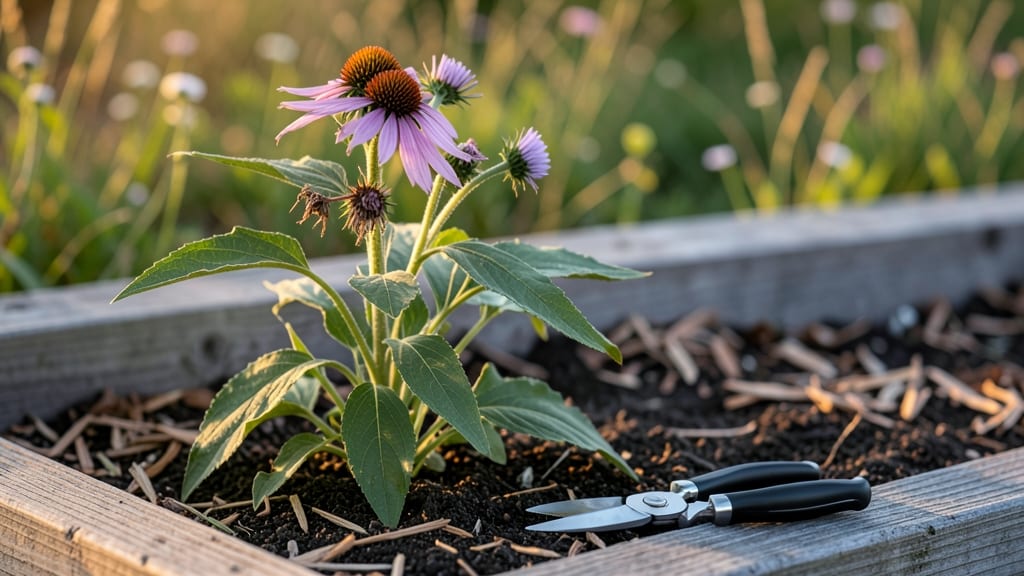
Deadheading perennials isn’t just about tidying up—it’s the secret to keeping your garden in full, vibrant bloom for months instead of weeks. I used to let spent flowers fade, only to watch my coneflowers and black-eyed Susans peter out by early summer.
Then I learned how to snip at the right spots, and suddenly, those same plants thrived into October.
The tools you need are simple: sharp pruners or even clean scissors, and maybe a small pair of gloves if you’re dealing with thorny stems like roses. Timing matters too—deadhead right after blooms fade, but never cut into fresh buds.
For lavender, for instance, you’ll want to trim just above the woody stems, while coneflowers respond best to a clean cut above the next set of leaves.
What you’ll get is a garden that looks like it’s on its second wind. Bushier plants, more flowers, and fewer leggy stems struggling to support themselves. My black-eyed Susans now produce so many blooms they nearly spill over their pots.
The key is consistency—just a few minutes every few days keeps the flowers coming.
Even if you’ve over-pruned before, don’t stress. Perennials are forgiving, and with a little practice, you’ll spot the difference between a light trim and a harsh cut.
Start with one plant, observe how it responds, and soon you’ll be deadheading like a pro. Your garden will thank you with color that lasts.
📚 In This Guide
- What you need
- Instructions
- Tips and common mistakes
- Wrapping up and next steps
What you need
- ● Pruning shears or bypass pruners – Choose sharp, clean tools (4–6" blades) for precise cuts. Dull shears crush stems, stressing plants.
- ● Gloves – Opt for gardening gloves (cactus or heavy-duty) to protect hands from thorns or sap.
- ● Bucket or trash bag – A 5-gallon bucket or heavy-duty bag for spent blooms (prevents pests!).
- ○ Disinfectant (optional but recommended) – Rubbing alcohol (70%+) or bleach solution (1:9 ratio) to sterilize tools between cuts.
- ● Hand pruners – For smaller stems (e.g., petunias, salvias).
- ● Knee pads – If you’re deadheading low-growing perennials (like creeping thyme).
- ● Compost bin – For reusing spent blooms as nutrient-rich soil amendments.
- ● Loppers – For thick-stemmed perennials (e.g., peonies, coneflowers).
Step-by-Step instructions for deadheading perennials
Here’s how I keep my perennials flowering all season long.
Choose the Right Time to Deadhead
Deadhead in the morning when blooms are fully open but still fresh. This timing ensures you’re removing spent flowers at their peak, which signals the plant to redirect energy toward new growth rather than seed production. Avoid deadheading after rain or in the evening—humidity and cooler temperatures can stress the plant.
Look for blooms that have lost their petals or are wilting at the edges. These are your visual cues that the flower has completed its cycle. If you wait until the flower head turns brown or the stem feels woody, you’ve missed the best opportunity for a quick rebound.
Use the Correct Technique for Each Plant Type
For most perennials, pinch or snip just above a set of healthy leaves or a leaf node. This ensures the plant has energy reserves to produce new shoots. For example, with coneflowers or black-eyed Susans, cut the stem at a 45-degree angle about ½ inch above a leaf node—this prevents water from pooling and reduces rot risk.
Some perennials, like lavender or Russian sage, benefit from a slightly different approach. Instead of cutting individual stems, trim back the entire flowering stalk by ⅓ of its height after the blooms fade. This encourages a bushier, fuller plant next season. Always use clean, sharp pruners to avoid tearing stems or leaving jagged edges.
Remove Spent Blooms Consistently
Check your perennials every 2-3 days during peak bloom season. Regular deadheading prevents the plant from wasting energy on seed production, which can shorten the flowering period. If you notice new buds forming but old blooms lingering, prioritize removing the spent flowers first—they’re competing for resources.
Don’t overdo it, though. If you’re removing more than 20% of the plant’s foliage in one session, you might be pruning too aggressively. Focus on spent blooms only, and leave healthy leaves and stems intact. This balance keeps the plant strong while extending its bloom time.
Clean Up and Maintain Tools
After deadheading, wipe your pruners with rubbing alcohol or a 10% bleach solution to prevent the spread of disease. Fungal spores and bacteria can hitch a ride on dirty tools and infect other plants. Store pruners in a dry place or hang them to dry completely between uses.
Collect the spent blooms and dispose of them in the trash or compost—just avoid composting if the plant shows signs of disease (like black spots or powdery mildew). A quick cleanup also keeps your garden looking tidy and encourages new growth by removing old, exhausted plant material.
Monitor and Adjust for Seasonal Changes
In late summer or early fall, reduce deadheading frequency. Many perennials, like sedum or asters, rely on seed heads for winter interest and food for birds. Let a few blooms go to seed unless you’re focusing solely on extending the flowering season.
Watch for signs of stress, like yellowing leaves or stunted growth. If you see these, you might be over-pruning or deadheading at the wrong time. Adjust your approach—sometimes less intervention leads to stronger, hardier plants that rebound better the following year.
Tips & tricks for perfect deadheading perennials
A few simple adjustments can transform your garden from a one-season wonder to a blooming paradise all summer long.
Timing is Everything: Stick to the morning routine mentioned in Step 1, but here's the thing—if you're dealing with plants like coneflowers or black-eyed Susans, the very first thing you should do is check for fully open blooms with no signs of wilting. I've learned this the hard way: waiting until flowers turn brown means you're essentially telling your plant to produce seeds instead of new blooms. The earlier you catch those spent flowers, the quicker your plant will rebound with fresh growth.
The Angle Matters: When you're cutting stems at that 45-degree angle in Step 2, make sure you're actually making a clean cut just above a leaf node. I've seen so many gardeners make the mistake of cutting too close or too far away. The goal is to leave that little bump where new shoots can emerge. For plants like lavender, I like to use my pruners to trim back about a third of the stalk—it sounds aggressive, but trust me, it encourages bushier growth next season.
Consistency Wins: The every 2-3 days check in Step 3 might seem like a lot, but here's what nobody tells you—those old blooms are like little energy vampires. They suck resources that could be going toward new flowers. I set a reminder on my phone for my peak bloom season to make sure I don't miss a day. And remember, that 20% foliage rule is your safety net—if you're removing more than that in one session, you're basically telling your plant to take a nap.
Tool Care Makes All the Difference: After you've done all that work, don't let your tools become disease spreaders. That 10% bleach solution in Step 4 isn't just a suggestion—it's your insurance policy. I keep a small spray bottle with rubbing alcohol in my gardening shed for quick cleanups between plants. And here's a pro move: store your pruners with the cutting edges facing up. It keeps them sharp longer and makes them easier to grab when you're ready to go again.
Pro Tips for Deadhead Perennials
- A few simple adjustments can transform your garden from a one-season wonder to a blooming paradise all summer long.
- I've learned this the hard way: waiting until flowers turn brown means you're essentially telling your plant to produce seeds instead of new blooms.
- The Angle Matters: When you're cutting stems at that 45-degree angle in Step 2, make sure you're actually making a clean cut just above a leaf node.
Frequently asked questions
Got questions about deadheading? You’re not alone!
Here are answers to the most common concerns—so you can keep your perennials thriving with confidence.
When is the best time to deadhead perennials?
Deadhead after a flower fades but before seed pods form—usually mid-morning when blooms are dry. For continuous bloomers (like coneflowers or black-eyed Susans), snip spent flowers weekly. For seasonal bloomers (e.g., peonies), wait until all flowers on a stem are done.
How often should I deadhead my perennials?
Frequency depends on the plant! Weekly checks for prolific bloomers (e.g., zinnias, impatiens) keep them flowering all season. For slower growers (e.g., hostas, lavender), monthly deadheading suffices. Pro tip: If you’re busy, prioritize high-value bloomers first!
Can I deadhead with scissors or just pinch?
Both work! Use clean bypass pruners for thick stems (e.g., daylilies) or your fingers to pinch small blooms (e.g., petunias). For precision, snip just above a leaf node or bud—avoid leaving stubs. Warning: Dirty tools spread disease, so sanitize with rubbing alcohol between cuts.
What if my perennial stops blooming after deadheading?
No blooms? Check these fixes:
- Over-pruning: You might’ve cut too far into the stem. Aim for the next set of leaves.
- Lack of nutrients: Feed with a balanced fertilizer (10-10-10) after deadheading.
- Wrong timing: Some perennials (like hellebores) bloom early—deadhead only after their main flush.
- Leggy growth: Thin crowded stems to improve airflow.
Do I need to deadhead perennials in fall or winter?
Not usually! Most perennials benefit from leaving some seed heads or faded blooms over winter—they provide winter interest and food for birds. Exceptions: Deadhead disease-prone plants (e.g., peonies with botrytis) or those that self-seed aggressively (e.g., mint). Otherwise, wait until spring for a fresh start.
Bonus Tip:
Keep a deadheading schedule with notes on what worked (or didn’t) for each plant. Over time, you’ll spot patterns—like which perennials need more frequent trims or respond best to specific techniques!
Wrapping up and next steps
Deadheading perennials is a simple yet powerful way to keep your garden thriving and bursting with color! By removing spent blooms, you encourage healthier growth, prolong flowering, and save energy for next season. Your efforts will pay off with a lush, vibrant garden that keeps giving all summer long.
Ready to take your gardening skills to the next level? Try deadheading just one perennial this week and watch the difference! For even more tips, explore our gardening guides or share your progress with fellow plant lovers in our community forum. Happy pruning! 🌸✂️