
Flowers
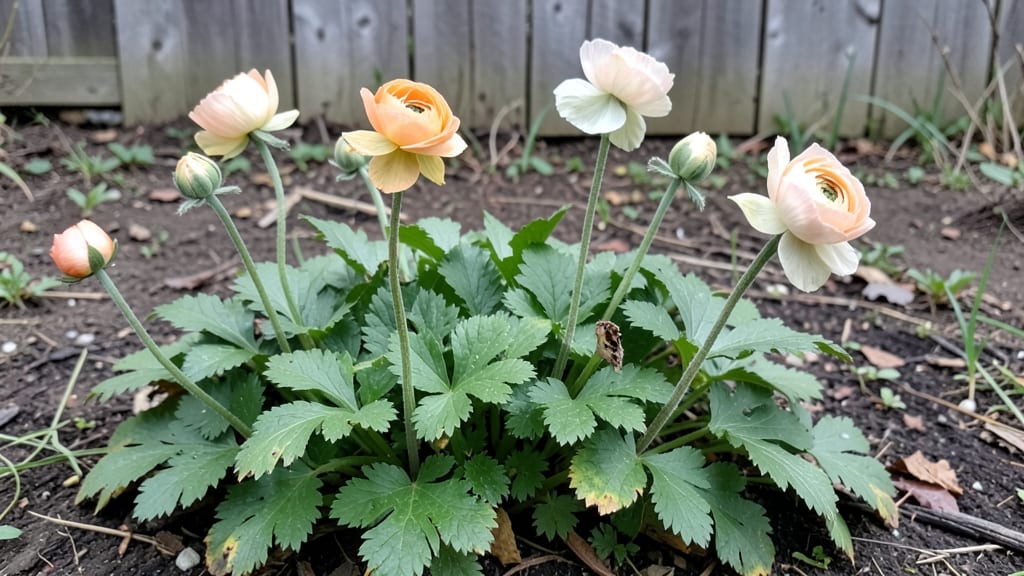
Growing ranunculus flowers as perennials gives you that bold pop of color every spring with almost no fuss—once you know the right tricks. 🌸 I’ve been growing them for years, and the secret isn’t fancy soil or constant watering; it’s timing and a little winter prep that keeps them coming back stronger each season.
The real game-changer is treating them like the tender perennials they are—planting in well-draining soil, giving them full sun to partial shade, and cutting back stems after blooms fade. Most gardeners quit after the first year because they don’t realize how hardy these flowers get with proper care.
With the right approach, you’ll see those layered, papery blooms return year after year.
By late summer, you’ll be snipping back spent blooms to encourage new growth, and by fall, the plants will be storing energy for next spring. The key is protecting the roots in winter—whether with mulch or a light frost cover—and you’ll avoid the heartbreak of losing them to cold snaps.
Before you know it, your garden will be the talk of the neighborhood.
Works in USDA Zones 3-9, though colder climates need extra winter protection. Even in small spaces, these flowers deliver maximum impact with minimal effort. Let’s get those bulbs in the ground!
Why Your Perennials Fade Fast
Ranunculus flowers may seem like low-maintenance divas, but they can quickly lose their luster if key growing conditions aren’t met. Understanding the root causes of their decline helps you fix issues before they wilt away.
Below, we break down the science behind why these bold blooms sometimes struggle—and how to reverse the trend.
Ranunculus thrive in cool-season climates (USDA Zones 3–9) but hate extreme heat or sudden temperature swings. Their delicate petals and shallow root systems make them vulnerable to:
- Heat shock: Temperatures above 85°F (29°C) cause petals to curl, bleach, or drop prematurely. The plant’s metabolic processes slow, leading to stunted growth and weak stems.
- Cold damage: Below 40°F (4°C), ranunculus may suffer blackened leaves or mushy stems due to cold rot (a fungal infection triggered by frozen soil).
- Sunburn: Intense afternoon sun (without acclimation) leads to brown, crispy edges on petals—a sign of oxidative stress from UV rays.
Actionable fix: Plant in partial shade (morning sun, afternoon shade) during peak summer. Use shade cloth (30–50%) if temps soar, and mulch with straw or pine needles to insulate roots.
Ranunculus roots are fibrous but shallow, meaning they need consistent moisture but detest soggy soil. Here’s how water plays a role:
| Problem | Why It Happens | Signs to Watch For |
|---|---|---|
| Underwatering | Cells plasmolyze (shrink) when soil dries out, cutting off nutrient flow. The plant prioritizes root survival over blooms. | Drooping petals, yellowing leaves, dry soil 1–2" below surface. |
| Overwatering | Poor drainage causes root rot (fungus like Phytophthora thrives in waterlogged soil), suffocating roots. | Mushy stems, blackened roots, foul smell, wilting despite wet soil. |
| Inconsistent Watering | Fluctuating moisture stresses the plant, leading to abscission (premature flower drop) as a survival tactic. | Uneven wilting, brown tips on petals, stunted growth. |
Actionable fix:
- Water deeply 2–3 times per week (1–1.5 inches total) rather than daily shallow doses.
- Use well-draining soil (amend clay with perlite/sand) and raise beds if your yard pools water.
- Mulch with gravel or bark to regulate moisture—never let soil dry out completely.
Ranunculus are heavy feeders but hate alkaline or compacted soil. Three key soil issues sabotage their growth:
- pH Imbalance: Prefers 6.0–7.0. Above 7.5, iron and manganese become unavailable, causing chlorosis (yellow leaves with green veins). Below 5.5, aluminum toxicity stunts roots.
- Nutrient Deficiency: Lacks phosphorus (P) or potassium (K)? Buds fail to open, and stems weaken. Too much nitrogen (N) = lush foliage but no flowers.
- Compacted Soil: Poor aeration strangles roots, reducing water/oxygen uptake. Compacted clay soil also traps excess moisture, inviting rot.
Actionable fix:
- Test soil pH with a home kit or send a sample to your local extension office. Adjust with lime (to raise pH) or sulfur/peat moss (to lower pH).
- Fertilize with a balanced 10-10-10 formula at planting, then switch to low-nitrogen, high-phosphorus (5-10-10) when buds form.
- Loosen soil 8–12 inches deep before planting. Mix in compost or aged manure for organic matter.
Ranunculus aren’t pest magnets, but a few common culprits can defoliate or deform them. The worst offenders:
- Slugs & Snails: Leave irregular holes in petals and silver slime trails. They target stressed plants (e.g., after drought).
- Aphids: Cluster on new growth, sucking sap and excreting sticky honeydew (which attracts sooty mold). Infested blooms pucker or fail to open.
- Powdery Mildew: A fungal infection triggered by high humidity + poor airflow. Covers leaves/petals with white powder, blocking sunlight and stunting growth.
- Crown Rot: Fungal (Sclerotinia) or bacterial (Erwinia) infections attack the base of stems in wet conditions, causing soft, mushy tissue and sudden collapse.
Actionable fix:
- Set up beer traps (bury a cup filled with beer) or use iron phosphate baits for slugs. Handpick aphids with a spray of soapy water.
- Prevent powdery mildew with neem oil (apply at dusk) or baking soda spray (1 tsp baking soda + 1 quart water + drop of soap).
- Space plants 12–18 inches apart for airflow. Remove infected foliage immediately and sterilize pruners with rubbing alcohol.
Pro Tip: 💡 Most ranunculus problems stem from one or two of these factors working together. For example, overwatering + poor drainage = root rot, while heat stress + underwatering = bud drop
Quick Fixes for Common Ranunculus Woes
Reviving your vibrant ranunculus perennials doesn’t have to be a struggle—just a few targeted tweaks can turn wilted stems into a lush, blooming spectacle again. Below, we’ll tackle the most common issues with practical, step-by-step solutions and prevention tips to keep your garden thriving.
Fix: Let’s drain the drama and give your ranunculus the right balance of moisture.
- 🔥 Check the Soil Stick your finger 1–2 inches into the soil. If it feels soggy or waterlogged, your plants are drowning. Ranunculus hates wet feet—it’s a recipe for root rot.
- 🍳 Improve Drainage Amend heavy or clay soil with coarse sand, perlite, or gritty compost (like a 50/50 mix of garden soil and perlite). For containers, ensure pots have drainage holes and use a well-draining potting mix.
- ⏰ Water Wisely Water deeply but only when the top inch of soil is dry. In hot climates, this might mean watering every 2–3 days; in cooler weather, once a week is plenty. Morning watering is best—it reduces evaporation and fungal risks.
💡 Prevention Tip: Mulch around plants with 2–3 inches of organic mulch (like straw or shredded bark) to regulate soil moisture and prevent compaction.
Fix: Your ranunculus might be begging for more sunlight—or struggling with nutrient deficiencies.
- 👨🍳 Move to the Light Ranunculus thrives in full sun (6+ hours daily). If leaves are pale or stems stretch tall and weak, relocate them to a sunnier spot. A south- or west-facing garden bed is ideal.
- 🌡️ Boost Nutrients Yellowing leaves can signal nitrogen deficiency. Feed with a balanced, water-soluble fertilizer (like 10-10-10) every 4–6 weeks during the growing season. For a natural boost, mix in compost or worm castings at planting time.
- ✨ Prune for Shape If growth is leggy, trim back overlong stems to encourage bushier, fuller plants. Snip just above a leaf node to promote new growth.
💡 Prevention Tip: Avoid over-fertilizing with nitrogen-heavy feeds—it can lead to lush foliage but fewer blooms. Opt for a phosphorus-rich fertilizer (like 5-10-5) to encourage flowering.
Fix: Keep critters and diseases at bay with these organic, garden-safe solutions.
- 🔪 Identify the Problem
- Aphids or Spider Mites? Look for sticky residue (honeydew) or tiny webs on leaves.
- Powdery Mildew? White, powdery spots on foliage mean it’s time to act fast.
- 🌿 Natural Remedies
- For Pests: Spray plants with a soapy water solution (1 tsp mild dish soap + 1 quart water) or introduce ladybugs (natural aphid predators).
- For Fungus: Apply neem oil spray (1 tsp neem oil + 1 quart water + a drop of dish soap) every 7–10 days until the issue clears.
- 🌡️ Improve Airflow Space plants 12–18 inches apart to reduce humidity and prevent fungal spread. Avoid overhead watering—use a drip irrigation system or water at the base.
💡 Prevention Tip: Rotate crops if you’re growing ranunculus in the same spot yearly—this breaks pest and disease cycles. Also, clean up fallen leaves and debris in autumn to remove hiding spots for pests.
Fix: Sometimes, ranunculus just needs a little coaxing to show off its colors.
- 🍳 Check the Soil pH Ranunculus prefers slightly acidic to neutral soil (pH 6.0–7.0). Test your soil with a DIY kit (available at garden centers). If it’s too alkaline (pH >7.5), amend with peat moss or sulfur.
- 🔥 Deadhead Regularly Snip spent blooms just above the first set of healthy leaves to encourage new flowers. This also prevents self-seeding, which can lead to weaker second-year plants.
- 🌡️ Divide Overcrowded Clumps If your ranunculus hasn’t bloomed in years, it might be root-bound. Dig up the plant in early spring or fall, separate the rhizomes, and replant the healthiest sections.
💡 Prevention Tip: For longer blooming seasons, fertilize lightly with low-nitrogen, high-phosphorus feed (like bone meal) in early spring. This tricks the plant into focusing on flowers, not just leaves!
Fix: Protect your ranunculus from frost and cold snaps with minimal effort.
- 🌿 Mulch Heavily Before the first frost, pile on 4–6 inches of mulch (straw, leaves, or shredded bark) to insulate roots. This prevents freeze-thaw cycles that can damage rhizomes.
- 🏠 Shelter Young Plants If you’re in a Zone 5 or colder, consider covering plants with burlap or frost cloth during hard freezes. Remove the cover once temperatures rise above freezing.
- ⏰ Prune in Late Winter Trim back dead or brown foliage in late winter (February–March) to encourage fresh growth. Avoid cutting into green stems—wait until new shoots appear.
💡 Prevention Tip: Choose hardy ranunculus varieties (like Ranunculus asiaticus) if you live in Zone 4 or below. These varieties tolerate colder climates better than tender types.
Final Thought: With these fixes, your ranunculus should bounce back stronger than ever—bold, blooming, and low-maintenance. The key is observation, quick action, and a little garden TLC. Happy growing! 🌸
Frequently asked questions about ranunculus perennials
Are ranunculus flowers truly perennials, or do they need replanting yearly?
They're tender perennials, meaning they'll return year after year in USDA Zones 7-9 with proper winter care. In colder zones (3-6), treat them as annuals or dig up tubers before frost to replant next spring. The key is protecting the fibrous roots—mulch heavily or lift tubers in fall for overwintering indoors.
Why do my ranunculus blooms look faded or bleached in hot weather?
This is classic heat stress—temperatures above 85°F (29°C) cause petals to bleach or curl. Provide afternoon shade with 30-50% shade cloth and water deeply at soil level (not overhead) to keep roots cool. Mulch with straw to maintain even moisture and reduce soil temperature fluctuations.
Can I grow ranunculus in containers, and what's the best soil mix?
Use 10-inch minimum pots with drainage holes and a mix of 50% potting soil, 30% perlite, and 20% compost. Add a handful of sand or grit to improve drainage—ranunculus roots rot easily in soggy conditions. Place containers where they get morning sun and afternoon shade in hot climates.
How do I know when to deadhead ranunculus for more blooms?
Snip spent blooms just above the first set of healthy leaves when about 30% of petals drop. This redirects energy to new buds. For prolonged blooming, feed with low-nitrogen fertilizer (5-10-5) every 4-6 weeks during spring/summer. Avoid cutting into green stems—always leave foliage to photosynthesize.
What's the secret to getting ranunculus to bloom the second year?
Divide overcrowded clumps in early spring—dig up tubers, separate into 2-inch sections with at least one growth eye, and replant. Ensure they get full sun and well-draining soil. The second year often produces even more dramatic blooms if you protect them from winter cold with 4-6 inches of mulch or frost cloth.