
Shrubs
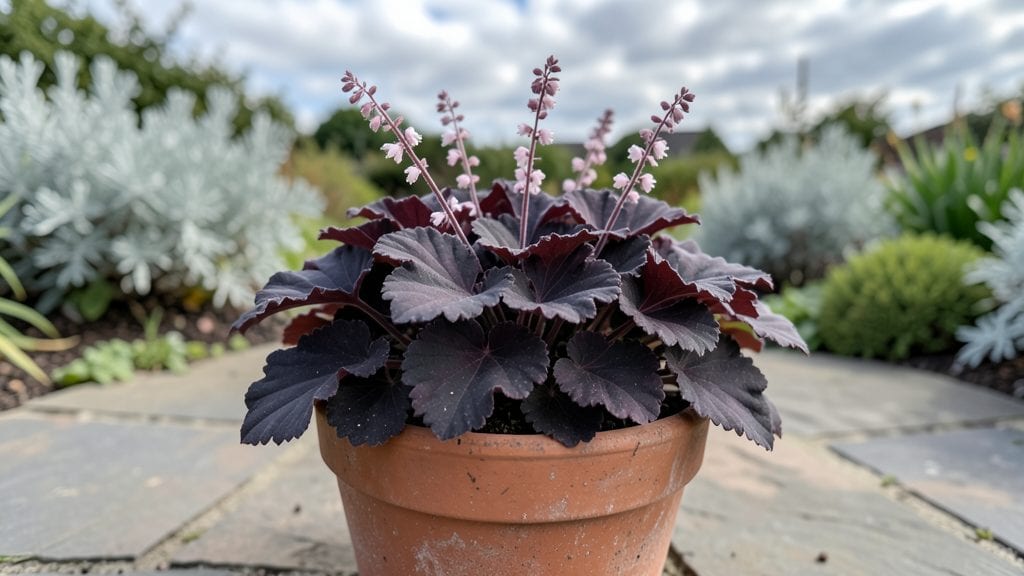
Small flowering perennial shrubs transform bare corners into vibrant showstops with almost no effort. ✨ I’ve filled my own garden’s tricky spots with these low-maintenance plants, and the results—bold blooms from spring to frost—keep neighbors asking for names.
The best part? They thrive in tight spaces, whether tucked into borders, spilled over containers, or layered into mixed beds.
Think hydrangeas with their lush clusters that change color with soil pH, abelia with its fragrant, summer-long blooms, or weigela’s trumpet-shaped flowers that hummingbirds adore.
These shrubs handle neglect like champions: prune once a year (or not at all), water occasionally, and they’ll reward you with seasonal interest—spring flowers, summer foliage, and even winter structure. My go-to trio delivers four months of color with minimal fuss.
You’ll create a garden that looks intentional, not overworked—imagine a cottage garden’s charm in a modern setting or a pollinator-friendly oasis that still fits in a small yard.
Pair them with grasses for texture, annuals for pops of color, or other shrubs for height variation. The combinations are endless, and the impact is instant.
Perfect for beginners and busy gardeners alike, these shrubs prove you don’t need a green thumb to have a garden that turns heads. Let’s pick the perfect plants for your space and style—no pruning shears required.
📚 In This Guide
- What you need
- Instructions
- Tips and common mistakes
- Wrapping up and next steps
What you need
- ● Small flowering perennial shrubs: Choose 3–5 varieties (e.g., Dwarf Butterfly Bush, Abelia, or Weigela) that suit your climate zone (USDA Hardiness Zones 5–9 recommended). Buy 1–3 plants per variety for a balanced look.
- ● High-quality potting soil: 2–3 bags (1–2 cubic feet each) of well-draining, organic soil mix (e.g., Miracle-Gro Potting Mix or FoxFarm Ocean Forest).
- ● Organic compost: 1 bag (40 lbs) to enrich soil and retain moisture.
- ● Slow-release fertilizer: 1 bag (10–20 lbs) of balanced 10-10-10 or 20-20-20 for initial planting.
- ● Mulch: 2–3 bags (2–3 cubic feet each) of pine bark or shredded leaves to suppress weeds and retain moisture.
- ● Garden trowel: 1 medium-sized (Fiskars or Radius Garden brand recommended).
- ● Hand pruners: 1 pair (bypass pruners for clean cuts).
- ● Garden gloves: 1 pair (nitrile-coated for durability).
- ● Watering can or hose with nozzle: 1 (for gentle watering).
- ● Measuring tape: 1 (to space plants 12–36 inches apart, depending on variety).
- ● Wheelbarrow or bucket: 1 (for mixing soil and compost).
- ● Plant stakes or markers: 5–10 (to label varieties and track growth).
- ● Epsom salt: 1 small bag (for magnesium boost in flowering shrubs).
- ● Drip irrigation kit: 1 (for automated watering in dry climates).
- ● Organic pest control: Neem oil spray (pre-mixed bottle) to deter aphids or mites.
- ● Garden kneeler pad: 1 (for comfort during planting!).
How to establish small flowering perennial shrubs for season-long beauty
Here's the straightforward approach I've used to create low-maintenance shrubs that burst with color year after year.
🌱 Step 1: Select and Prepare Planting Sites
Choose 4 locations that receive at least 6 hours of sunlight daily—most flowering perennials thrive in full sun but tolerate partial shade. Test each spot by observing how sunlight moves across it throughout the day. Avoid low-lying areas where cold air settles, as these can damage tender new growth in early spring.
Amend the soil with 2-3 inches of compost mixed into the top 6 inches of native soil. This improves drainage and adds nutrients without overwhelming the plants. Work the compost in gently—you're not baking a cake, just loosening the earth so roots can establish easily. A simple soil test kit will tell you if your site needs extra phosphorus for blooming or potassium for root strength.
🪴 Step 2: Plant at Proper Depth and Spacing
Dig holes twice as wide as the root ball but only as deep as the container's base. This prevents burying the stem, which can cause rot. Gently remove each plant from its container and tease the roots outward if they're circling—this encourages them to spread into the new soil instead of staying compacted.
Space plants 2-3 feet apart, depending on the mature size listed on the tag. Crowding leads to competition for water and nutrients, which weakens flowering. Place each shrub in its hole, then backfill with native soil mixed with a slow-release fertilizer (like 10-10-10). Water deeply to settle the soil and eliminate air pockets around the roots.
☀️ Step 3: Establish Proper Watering Routine
Water deeply once weekly during the first 6-8 weeks to encourage deep root growth. You'll know you've watered enough when 2-3 inches of soil remain moist—stick your finger in to check. Overwatering at this stage suffocates roots, while underwatering stresses plants before they're established.
After the initial period, reduce to every 10-14 days unless you experience drought conditions. Mulch with 2-3 inches of organic mulch (like shredded bark) to retain moisture and regulate soil temperature. Keep the mulch 2 inches away from stems to prevent rot. You'll notice fewer weeds and more consistent soil moisture after applying this layer.
✂️ Step 4: Light Pruning for Shape and Health
Prune once in late winter (just before new growth begins) to remove dead, diseased, or crossing branches. Use clean, sharp pruners to make cuts at a 45-degree angle just above a bud or leaf node. This promotes bushier growth and better flowering. Avoid heavy pruning—the goal is to maintain shape, not reshape dramatically.
After flowering, trim back spent blooms by ⅓ to encourage a second flush of flowers. You'll see new buds forming within 2-3 weeks if the plant is healthy. Never cut into old wood—always prune back to live tissue. This simple habit keeps shrubs looking tidy without sacrificing next year's blooms.
🌿 Step 5: Seasonal Care for Year-Round Interest
In early spring, apply a balanced fertilizer (like 10-10-10) around the base of each plant. Water it in immediately to prevent root burn. This feeds the plant as it breaks dormancy and prepares for the growing season. You'll notice fresh, vibrant foliage within 3-4 weeks of application.
In fall, reduce watering as temperatures drop. Most perennials enter dormancy when nighttime temperatures stay below 50°F. Stop fertilizing entirely at this point—you're letting the plant rest, not forcing new growth. A light layer of winter mulch (like straw) protects roots from freezing and thawing cycles.
Tips & tricks for perfect small flowering perennial shrubs
Transforming your garden into a vibrant, low-maintenance display is easier than you think—these pro tips will help your shrubs thrive with minimal effort.
Site Selection Strategy: Pay attention to microclimates in your yard! The 6 hours of sunlight requirement is non-negotiable for most flowering perennials, but some varieties like hydrangeas tolerate partial shade—always check the tag. I've found that south-facing locations get the most consistent sunlight, while north-facing spots often create cooler microclimates that benefit shade-tolerant varieties.
Root Establishment Hack: In Step 2, when teasing out those circling roots, go one step further by creating small vertical slits in the root ball with your fingers. This encourages roots to grow outward immediately rather than staying compacted. The 2-3 feet spacing gives roots room to breathe and prevents competition, which is especially important during those critical first 6-8 weeks of establishment.
Watering Wisdom: The 2-3 inches of moist soil test is your best friend—it's easier than you think! Just push your finger in about 2 inches deep. If it feels dry, water until moisture reaches that depth. I've seen many gardeners overwater during this phase, thinking more is better. Remember, soggy soil suffocates roots just as effectively as dry soil dehydrates them.
Pruning Precision: When making those 45-degree angle cuts in late winter, always look for the outward-facing bud. Cutting just above this bud ensures new growth will face outward, creating a fuller, more attractive shrub. And here's a secret: the ⅓ trim after flowering doesn't have to be perfect—just remove the obvious deadheads. The plant will thank you with that second flush of blooms within 2-3 weeks.
Pro Tips for Small Flowering Perennial Shrubs
- Transforming your garden into a vibrant, low-maintenance display is easier than you think—these pro tips will help your shrubs thrive with minimal effort.
- Site Selection Strategy: Pay attention to microclimates in your yard!
- Root Establishment Hack: In Step 2, when teasing out those circling roots, go one step further by creating small vertical slits in the root ball with your fingers.
Frequently asked questions
Got questions about adding small flowering perennial shrubs to your landscape? Here are some of the most common ones—and their answers—to help you get started with confidence!
What’s the best time of year to plant small flowering perennial shrubs?
The ideal window is early spring or early fall when soil temperatures are cool but not freezing. This gives roots time to establish before extreme heat or cold. Avoid planting during summer droughts or winter freezes—both can stress young shrubs. Pro tip: Water thoroughly after planting to reduce transplant shock!
How do I keep these shrubs blooming all season long?
Most small flowering perennials thrive with minimal pruning, but deadheading spent blooms (snipping off faded flowers) encourages continuous blooms. For shrubs like Abelia or Weigela, a light trim after flowering keeps them compact. Key trick: Avoid heavy pruning in late summer—it can cut back next year’s flowers!
Are small flowering shrubs prone to pests or diseases?
Generally hardy, but watch for aphids, spider mites, or powdery mildew in humid climates. Improve airflow with proper spacing, and water at the base (not overhead) to prevent fungal issues. Most shrubs bounce back with a neem oil spray or mild fungicide if needed. Prevention tip: Healthy soil = resilient plants!
Can I grow these shrubs in containers or small gardens?
Dwarf varieties like Dwarf Fothergilla or Compact Butterfly Bush thrive in containers (12–18" pots) with well-draining soil. Just ensure they get 6+ hours of sunlight and repot every 2–3 years. Container hack: Mix in perlite for drainage—root rot is a no-go!
What’s a low-maintenance alternative if I forget to prune?
Try Dwarf Ninebark (Physocarpus) or Cotoneaster—they’re forgiving and bloom even with minimal upkeep. These shrubs tolerate irregular pruning and still deliver vibrant flowers and berries. Bonus: They’re deer-resistant too!
Wrapping up and next steps
Small flowering perennial shrubs are the secret weapon for effortless, long-lasting beauty in your garden—no green thumb required! 🌸 From hardy Abelia to cheerful Dwarf Butterfly Bush, these low-maintenance stars deliver vibrant blooms with minimal fuss.
Whether you crave pollinator-friendly blooms or year-round interest, these shrubs make it easy to turn any space into a colorful, thriving oasis.
Ready to transform your yard? Start small—pick one or two shrubs that match your climate and style, then watch your garden effortlessly come alive. Happy planting!