
Planting
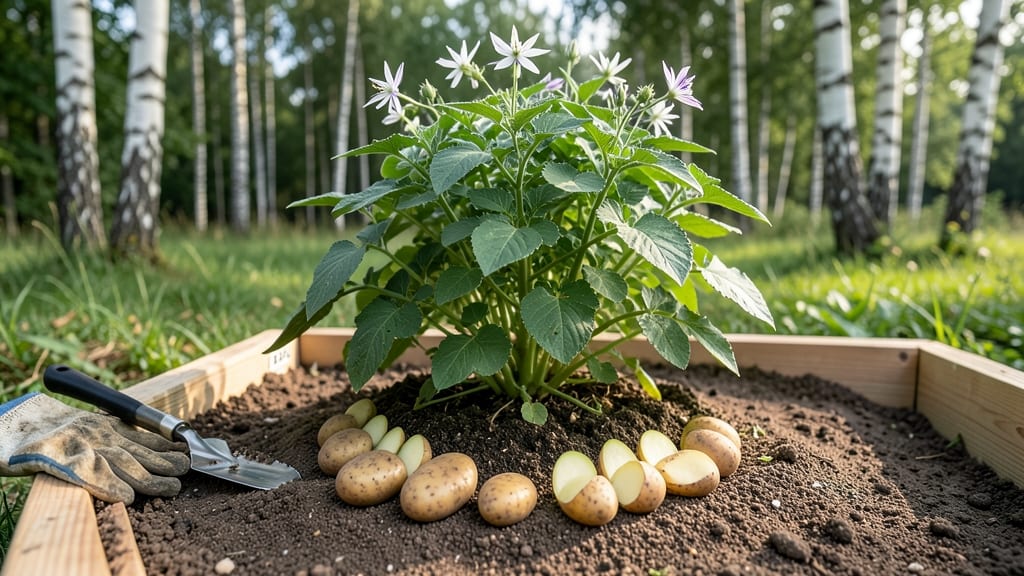
A raised bed for potatoes should be at least 12 inches deep—but many growers miss the mark, leaving tubers crowded and stunted.
Picture this: you’ve spent weeks nurturing your 🥔, only to dig up a handful of small, misshapen potatoes because the bed wasn’t deep enough. That’s not just disappointing—it’s a wasted season.
The right depth isn’t just about space; it’s about giving those tubers room to grow into plump, flavorful harvests.
Most standard raised beds stop at 10-12 inches, but potatoes need 18-24 inches of depth to reach their full potential. Why? Because deeper beds improve drainage, prevent rot, and let tubers develop without competition. Plus, you’ll avoid the hassle of hilling soil as the plants grow.
In this guide, I’ll break down the science behind potato root depth, how to adjust your bed for different varieties, and the 5 mistakes that sabotage even the best-intentioned gardeners. Ready to grow bigger, better potatoes?
Ideal raised bed depth for potatoes: root growth science explained
Potatoes need 12-18 inches of soil depth to produce large, market-sized tubers. While many gardeners use 12-inch raised beds, this often limits root growth and reduces yield. The key is understanding how potato roots and tubers develop below ground—where most of the action happens.
Potato plants send out stolons (horizontal stems) that form tubers at their nodes. These stolons need 6-12 inches of loose soil to develop properly. If your raised bed is too shallow, tubers will grow small or even escape the bed entirely, making harvest difficult.
Here’s the science: Most potato varieties grow tubers 6-12 inches deep, but some—like Russet Burbank—can send stolons deeper. A 18-inch deep raised bed gives roots and tubers the space they need to expand without competition.
Poor soil aeration in shallow beds also stresses plants, leading to smaller tubers and increased disease risk. Loose, well-draining soil is critical—potatoes hate soggy conditions, which can rot tubers before harvest.
| Potato Type | Root Depth | Ideal Bed Depth | Tuber Size Impact |
|---|---|---|---|
| Early Varieties (e.g., 'Red Norland') | 6-10 inches | 12-14 inches | Small tubers if bed <12" |
| Mid-Season (e.g., 'Yukon Gold') | 8-12 inches | 14-16 inches | Optimal for large tubers |
| Late Varieties (e.g., 'Russet Burbank') | 10-16 inches | 18+ inches | Stunted if bed <16" |
| Heirloom (e.g., 'Purple Viking') | 8-14 inches | 16-18 inches | Deep beds prevent tuber escape |
If you’re working with a 12-inch raised bed, focus on early-maturing varieties like 'Red Norland' or 'Kennebec,' which tolerate shallower depths better. For late-season potatoes, invest in a deeper bed or use hilling soil to encourage stolons to grow downward.
Another trick is to plant potatoes in layers—start with seed potatoes at the bottom, then add 4-6 inches of soil, and plant another layer on top. This mimics deeper soil conditions and can boost yields by 30-50% in shallow beds.
Poor drainage is another silent killer. A 18-inch deep bed with gravel or sand at the bottom prevents waterlogging, which causes tuber rot. Always include organic matter (like compost) to improve soil structure and aeration.
Pro tip: If your bed isn’t deep enough, extend it vertically by adding wooden sides or wire mesh. This is cheaper than building a new bed and gives roots the room they need to thrive.
Finally, remember that tuber size isn’t the only goal. Deep beds also reduce pest pressure (like wireworms) and make harvest easier. With the right depth, you’ll enjoy bigger, healthier potatoes with less effort.
🌱
How to adjust raised bed depth for different potato varieties
Not all potatoes are created equal—and neither are their depth requirements. Early varieties like 'Yukon Gold' thrive in shallower beds, while late-season 'Russet Burbank' need deeper soil to develop large tubers. The key is matching your potato variety to the right bed depth to maximize yield and tuber size.
For example, container potatoes like 'Red Norland' can grow in just 12 inches, but heirloom varieties may need 18+ inches to reach their full potential.
Heirloom potatoes often require deeper beds because their tubers grow larger and deeper over time. Commercial varieties, bred for efficiency, typically need less depth but still benefit from at least 12-16 inches of soil.
If you're growing container potatoes, opt for compact varieties like 'Fingerling' types, which can thrive in 10-12 inch deep containers. Even then, adding a soil extension bag can boost yields by 30%.
| Variety Type | Ideal Bed Depth | Growth Cycle | Notes |
|---|---|---|---|
| Early Varieties | 10-12 inches | 60-90 days | Fast-growing, shallow roots. Best for 'New Potatoes'. |
| Mid-Season | 12-16 inches | 90-110 days | Balanced depth for 'Yukon Gold' or 'Red Pontiac'. |
| Late Varieties | 16-24 inches | 110-140 days | Deep roots for 'Russet Burbank' or 'Kennebec'. |
| Heirloom | 18-24 inches | 90-130 days | Large tubers need extra depth. Try 'Adirondack Blue'. |
| Container Potatoes | 10-12 inches | 70-100 days | Use 'Fingerling' varieties in deep pots with drainage. |
For container growing, prioritize well-draining soil and frequent watering since shallow roots compete for moisture. Add compost to the bottom layer to encourage deeper root growth, even in limited space.
If your bed is too shallow for your chosen variety, consider a two-tier system—plant early varieties in the upper layer and late varieties in the lower layer for sequential harvests.
Adjusting bed depth isn’t just about height—it’s also about soil composition. Loose, airy soil encourages roots to expand downward, while compacted soil restricts tuber growth. Mix in perlite or vermiculite to improve aeration, especially in deeper beds where roots may struggle to access oxygen.
For heirloom potatoes, I’ve found that adding a 4-inch layer of straw mulch helps maintain even moisture and prevents soil compaction.
Pro tip: If you’re unsure about your potato variety’s depth needs, start with a 16-inch bed—it’s a safe middle ground for most types. You can always add a soil extension bag later if you switch to deeper-rooted varieties.
The goal is to give your tubers enough space to grow without wasting precious garden real estate.
Experiment with different depths and varieties to see what works best in your climate. For example, 'Kennebec' potatoes thrive in 18-inch beds in cooler regions but may need only 14 inches in warmer zones. Keep detailed notes on your harvest yields to refine your approach year after year.