
Tools
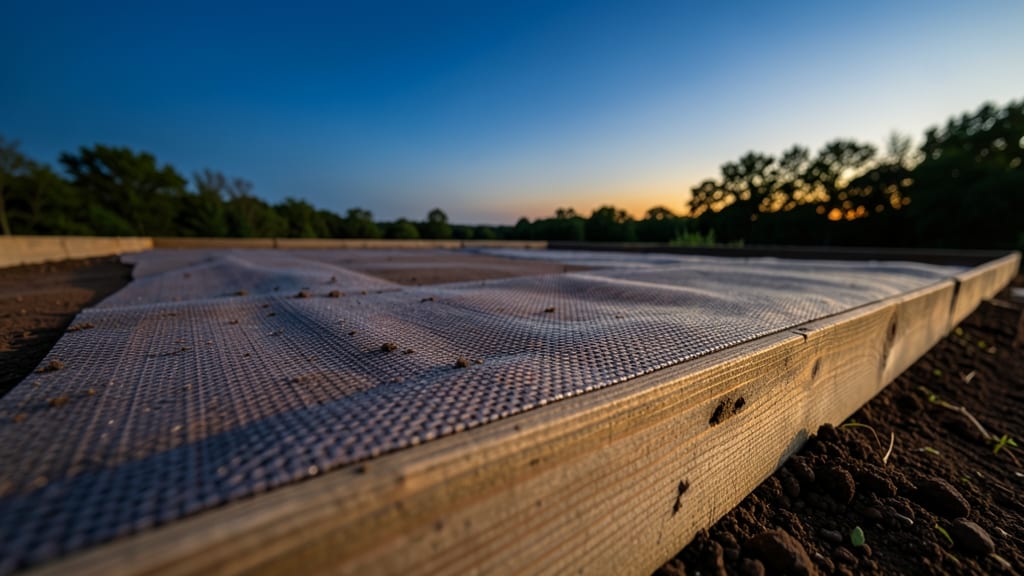
Missouri’s hot, humid summers demand smart protection for raised garden beds to retain moisture, regulate soil temperature, and shield plants from pests. These seven covers—tested for Missouri’s climate—balance heat retention, breathability, and durability for year-round success.
Shade Cloth with 30% Blocking
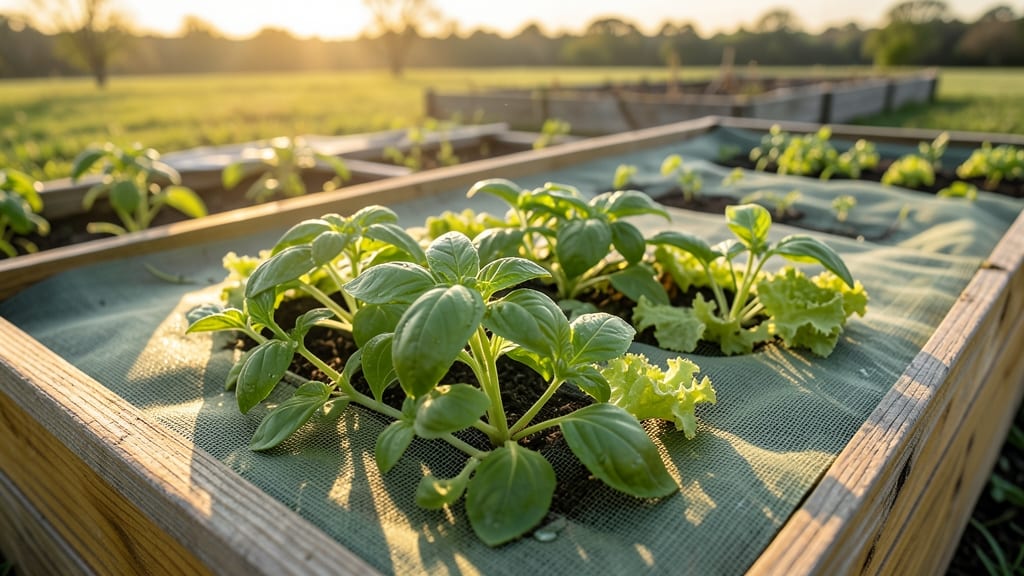
Missouri’s afternoon sun can turn a thriving garden into a wilted mess in hours—but 30% shade cloth strikes the perfect balance. This lightweight fabric blocks just enough heat to protect delicate greens while letting 70% of sunlight through for photosynthesis, making it ideal for lettuce, basil, or cilantro that bolt in summer’s intensity.
Install it over your raised bed when temperatures hit 85°F+, securing edges with U-clips or bricks to prevent wind damage. Unlike heavier covers, this breathable mesh allows airflow, reducing fungal risks while keeping soil 5–10°F cooler than exposed beds. For extra protection, pair it with drip irrigation to maintain moisture without overheating the fabric.
Perfect for beginner gardeners or urban growers with limited space, this cover is a game-changer for extending the season for heat-sensitive crops. Just remove it by late afternoon to let plants harden off naturally. 🌱
Burlap Sacks for Seedling Protection
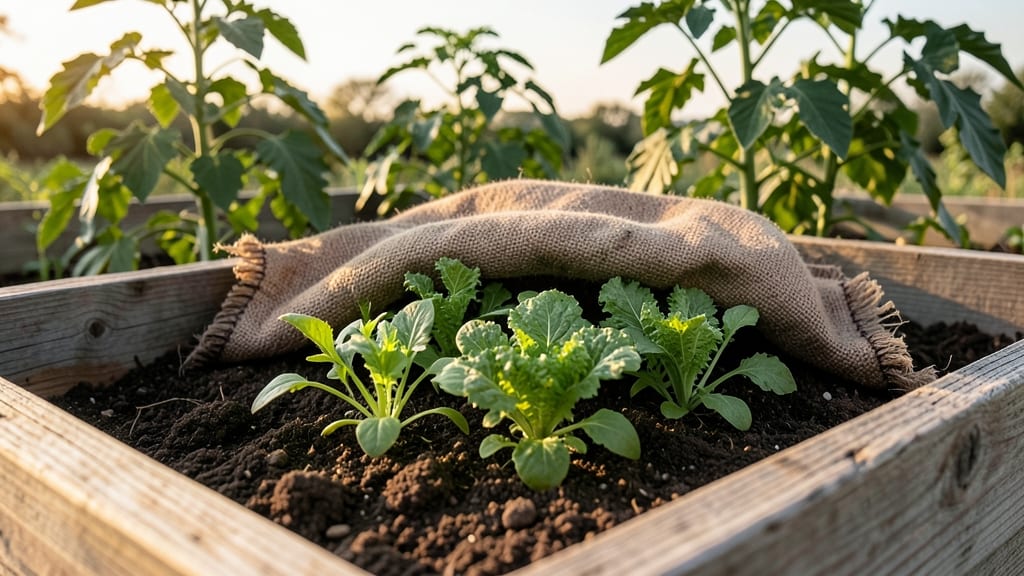
When Missouri’s spring-to-summer weather shifts suddenly, delicate seedlings can become stressed or even scorched before they’re ready. Burlap sacks offer an organic, budget-friendly solution that breathes while shielding young plants from both heat and pests—without trapping moisture like plastic.
Simply drape a lightweight burlap sack loosely over seedlings to create shade while allowing airflow, preventing the overheating that can stunt growth. The natural fibers also deter pests like slugs and cutworms, while the rustic look blends seamlessly into any garden. For best results, use undyed burlap (no chemicals) and secure it with twine or clips to avoid smothering plants as they grow.
This method is perfect for beginner gardeners or those using heirloom seeds, as it’s reusable, compostable, and gentle on tender seedlings. It’s also a great way to repurpose old sacks from garden centers or feed stores. 🌱
Reflective Silver Insulation Blanket
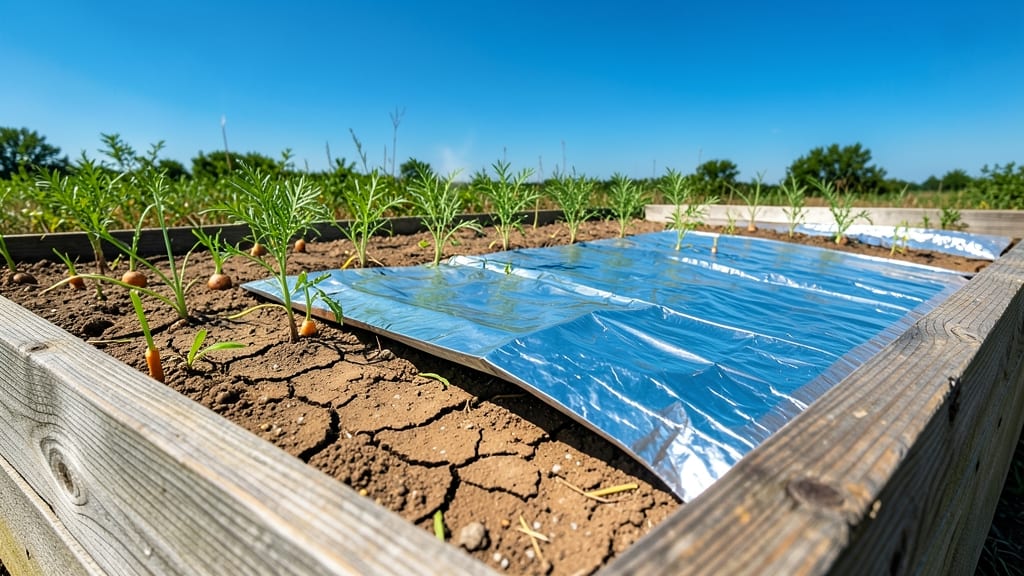
When July and August hit Missouri, your raised bed soil can reach scorching temperatures that stun root crops like carrots and potatoes. A reflective silver insulation blanket acts like a mirror, bouncing back up to 90% of the sun’s radiant heat—keeping soil a steady 10–15°F cooler than uncovered beds.
This lightweight, durable cover works best when draped directly over the soil surface, with edges weighted down to prevent heat loss. For root vegetables, use it during the hottest afternoon hours (12 PM–4 PM) to protect tender young plants while allowing morning sunlight for photosynthesis. The reflective surface also deters pests like Colorado potato beetles without chemicals.
Perfect for gardeners with heat-sensitive crops or those extending their growing season into Missouri’s brutal summer months, this cover is a game-changer for preserving harvest quality. 💡
Heavy-Duty Row Cover Fabric
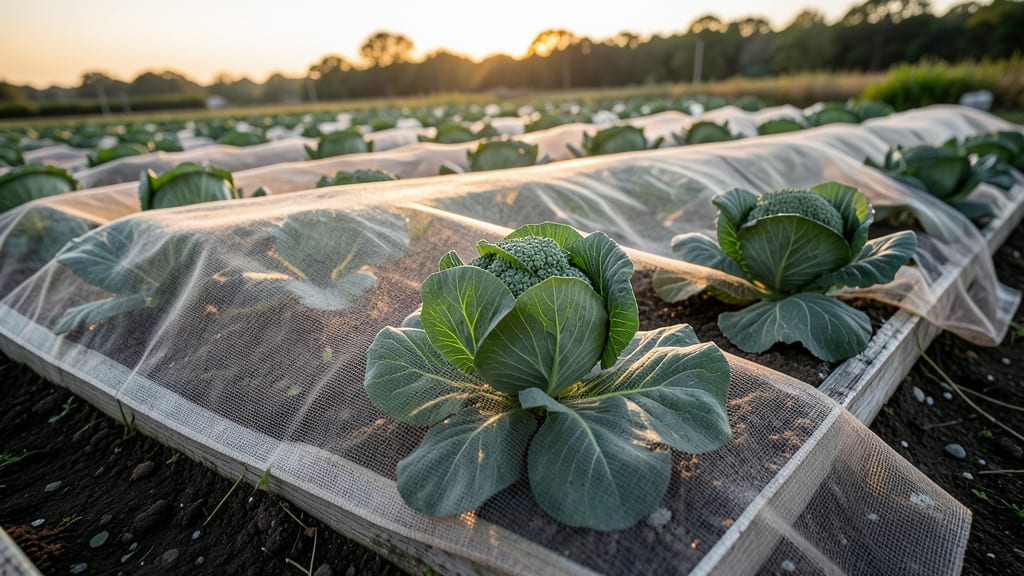
When Missouri’s summer nights stay warm but pests like cabbage moths become relentless, a heavy-duty row cover fabric is your secret weapon. This lightweight yet durable fabric blocks flying insects while letting in 85% of sunlight, making it ideal for brassicas (broccoli, cabbage) or late-summer tomatoes that need protection but full growth potential.
Look for fabrics with 0.6-ounce weight for optimal breathability—enough airflow to prevent overheating while still deterring pests. Secure edges with wooden stakes or bricks to keep it taut, and remove during flowering if pollinators are needed. This cover works especially well from July through September, when Missouri’s humidity spikes but nights remain mild.
Perfect for gardeners who want to avoid pesticides but still protect their crops—especially those growing high-value vegetables in raised beds. 🌱
Straw Mulch Blanket for Heat Retention
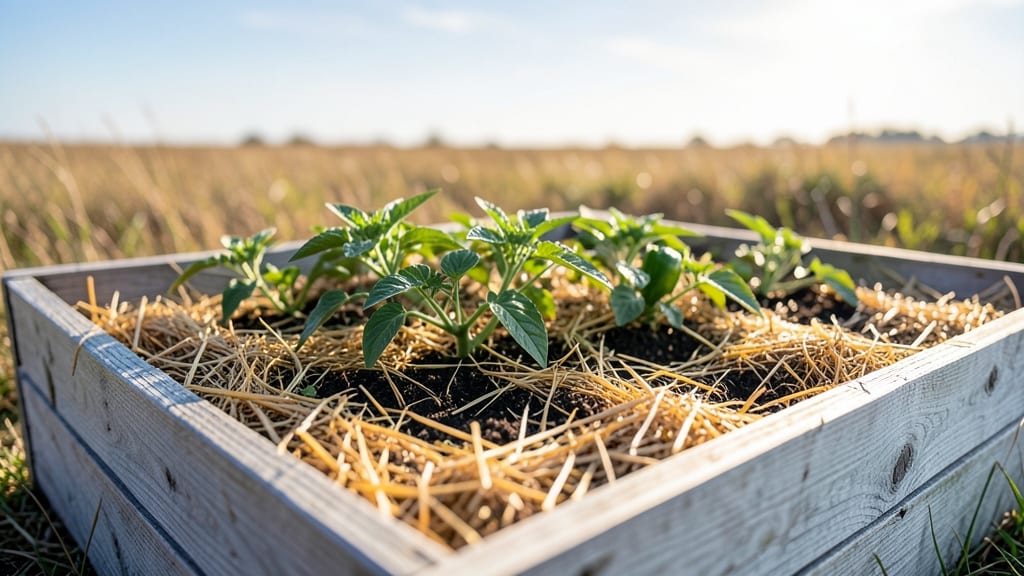
When Missouri’s summer sun turns your raised bed into a sauna, a straw mulch blanket acts as nature’s air conditioner—keeping roots cool, moisture locked in, and weeds at bay. Unlike synthetic covers, straw mimics the soil’s natural insulation, creating a microclimate that protects peppers and squash from the brutal afternoon heat while preserving evening warmth.
Apply a 3-4 inch layer of straw after planting to shield soil from direct sunlight, reducing evaporation by up to 70%. The mulch also breaks down slowly, adding organic matter to your bed—no extra compost needed. For best results, refresh the layer every 4-6 weeks as it decomposes, especially during peak July-August heat.
This low-cost, zero-maintenance solution is perfect for gardeners who prefer organic methods and want to skip synthetic fabrics. It’s especially valuable for warm-season crops that thrive with steady moisture and temperature stability. 🌻
Clear Polycarbonate Hoop House
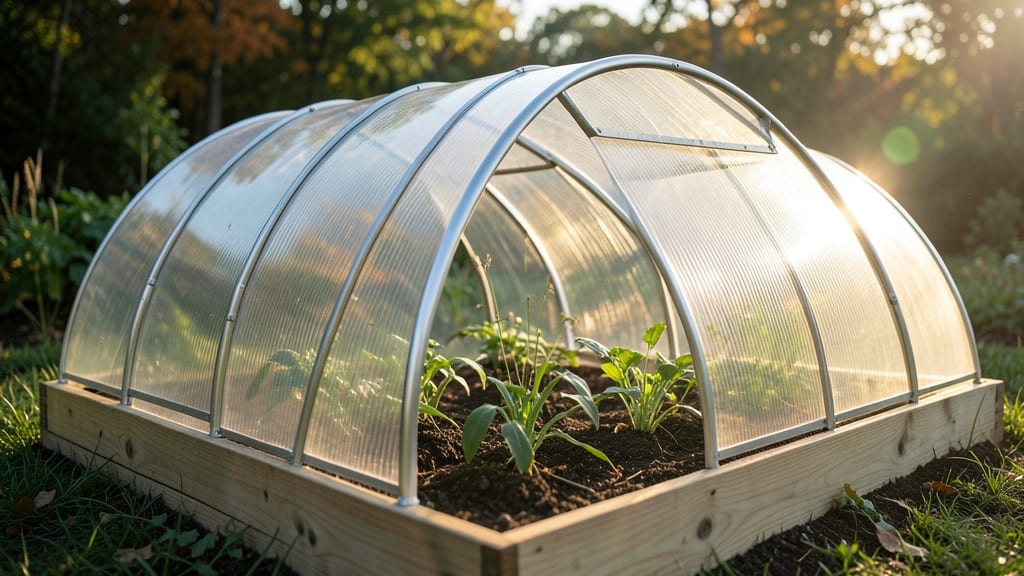
When Missouri’s chilly springs or early autumns threaten your garden plans, a clear polycarbonate hoop house becomes your secret weapon. Unlike temporary row covers, this sturdy structure captures and retains heat during daylight hours while still allowing 90% sunlight penetration, creating a microclimate that can extend your growing season by 4-6 weeks in both directions.
Set up your hoop house over raised beds in late winter for early spring starts or leave it in place through fall for overwintering greens like spinach or kale. The double-walled polycarbonate panels provide insulation while withstanding Missouri’s occasional high winds—unlike flimsy plastic alternatives. For best results, pair it with drip irrigation to prevent condensation buildup on plants.
This solution is ideal for small-scale gardeners who want to maximize space without the complexity of greenhouses, or for those overwintering sensitive crops in unheated beds. 🌿
Mesh Tunnel with UV Protection
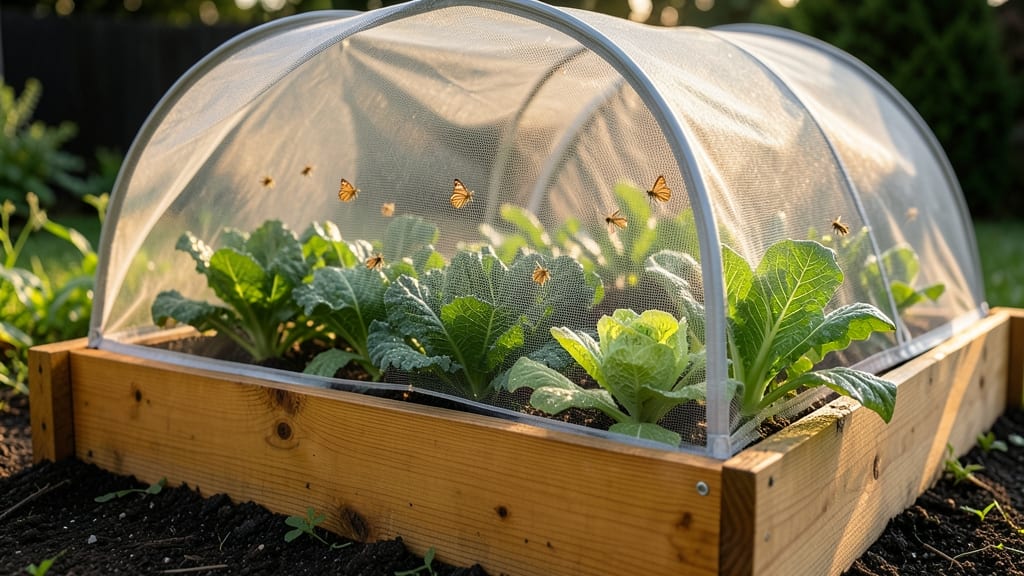
Missouri’s sticky summers can turn your leafy greens into fungal magnets—but a mesh tunnel with UV protection keeps your plants thriving while welcoming bees and butterflies. Unlike solid covers, this lightweight solution lets air circulate while filtering out harsh UV rays that stress plants like cucumbers or beans.
The breathable mesh prevents fungal diseases (like powdery mildew) that flourish in humidity, while the UV-resistant coating protects delicate foliage from sunburn. Secure it with stakes or hoops, and watch your vining plants climb safely—no trellis required! It’s the perfect middle ground for summer gardens where you want both protection and pollinator access.
This cover is ideal for gardeners who grow heat-loving crops but want to avoid the pitfalls of overheating or fungal outbreaks. 🌱