
Flowers
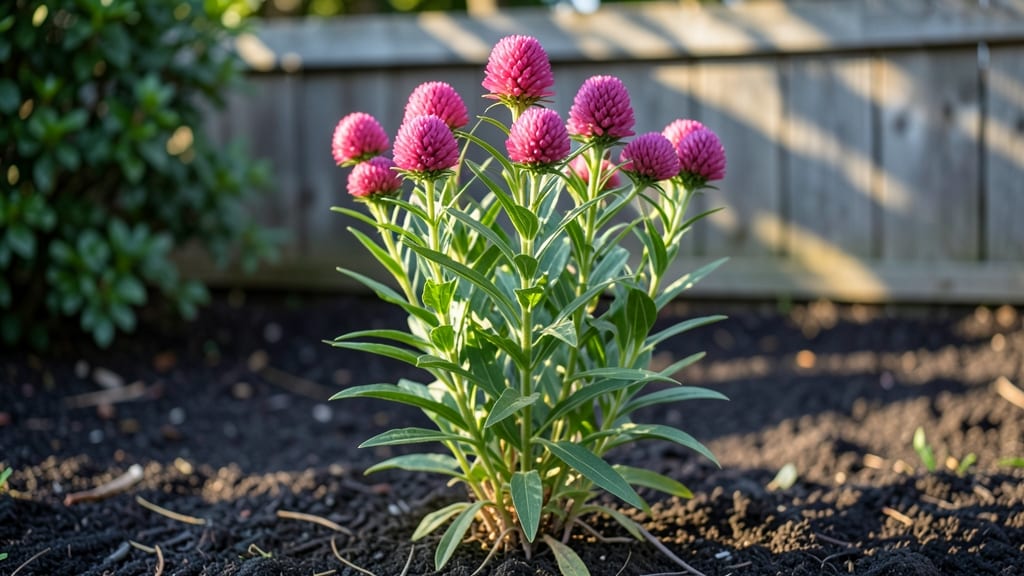
Growing globe amaranth as a perennial might sound tricky, but I’ve kept mine thriving for three years in my Zone 7 garden—here’s how. 🌿 The key isn’t just treating it like an annual; it’s all in the soil prep, watering rhythm, and knowing when to cut back before winter.
Most gardeners give up after the first frost, but with the right approach, you’ll have those papery blooms back next spring.
Start with well-draining soil mixed with compost—globe amaranth hates soggy roots. Plant in full sun (at least 6 hours daily) and space them 12-18 inches apart to avoid crowding. Water deeply once a week unless it rains, and always let the top inch of soil dry out between waterings.
Prune spent blooms to encourage more flowers, but save the heavy cutting for late fall.
Overwintering depends on your zone: in colder areas (Zones 8 and below), mulch heavily and cut back stems to 2 inches. In milder zones, leave the plants be—they’ll surprise you with early spring regrowth.
The payoff? A plant that’s drought-tolerant once established, deer-resistant, and packed with those stunning globe-shaped blooms that last from summer through frost.
Here’s the secret I learned the hard way: globe amaranth’s perennials are tougher than they look, but they need a little extra care in their first year.
With the right prep, you’ll have a low-maintenance stunner that comes back year after year—no replanting required. Let’s get those roots settled for good.
Frequently asked questions
Got questions about growing Globe Amaranth as a perennial? You’re not alone!
Here are answers to the most common queries—from planting to troubleshooting—so you can keep this stunning plant thriving year after year.
Is Globe Amaranth truly perennial, or is it an annual?
Globe Amaranth (Gomphrena globosa) is often treated as an annual in most climates (zones 9-11), but with the right care—like mulching heavily in winter or growing it in containers for overwintering indoors—you can coax it to return the following year. In frost-free zones, it may even self-seed naturally!
How do I protect Globe Amaranth from winter frost?
Use a thick layer of mulch (straw or leaves) to insulate the roots, and wrap the plant in burlap if temperatures drop below 25°F. For container-grown plants, move them to a garage or shed and water sparingly until spring. Pro tip: Prune back dead foliage in early spring to encourage fresh growth!
Can I grow Globe Amaranth from seed every year, or should I transplant?
Starting fresh from seeds each year is easiest—just sow them after the last frost in well-draining soil. If you want to transplant, dig up healthy plants in fall, trim them back, and pot them up for overwintering. Warning: Transplanted plants may struggle if not given enough sunlight or water.
Why are my Globe Amaranth leaves turning yellow or wilted?
Yellowing leaves often signal overwatering or poor drainage. Let the soil dry between waterings, and ensure pots have drainage holes. Wilting can also mean underwatering or heat stress—provide afternoon shade in extreme heat. Check for pests like aphids too!
Are there perennial alternatives to Globe Amaranth with similar flowers?
If you love Globe Amaranth’s bold blooms but want true perennials, try:
- Celosia (Celosia argentea) – Heat-loving and drought-tolerant (zones 2-11).
- Zinnia (Zinnia elegans) – Self-seeds easily (annual but acts like a perennial in mild climates).
- Lantana (Lantana camara) – Perennial in zones 8-11 with vibrant clusters.
Final thoughts
Growing globe amaranth perennial is a rewarding journey that brings vibrant color and resilience to your garden year-round! 🌿 With the right zones (5-11), soil prep, and care tips, you’ll enjoy its drought-tolerant beauty while attracting pollinators.
Whether you’re a seasoned gardener or just starting, this hardy plant offers low-maintenance charm—perfect for adding texture and flair to any landscape.
Ready to transform your garden? Start by selecting healthy plants or seeds, then follow the care guidelines shared here. Before you know it, your space will be bursting with globe amaranth’s striking blooms—one season at a time! 🌸