
Tools
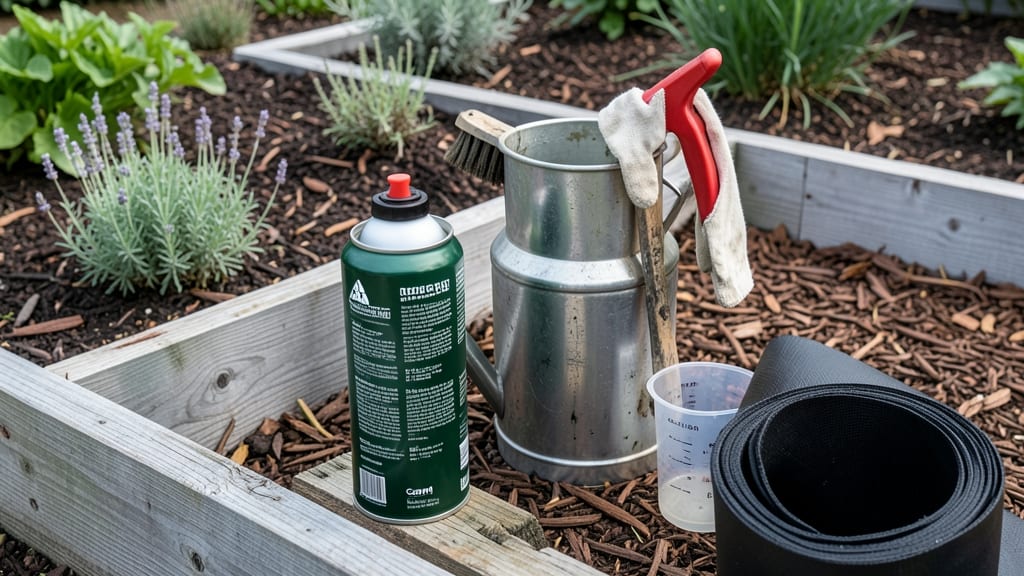
Garden bed sealant typically lasts 1 to 3 years before needing reapplication, depending on climate, soil type, and foot traffic. Reapply in early spring or after heavy rains to maintain moisture retention and weed suppression.
This protective layer's lifespan varies based on how harsh your growing conditions are.
In hot, dry climates, sealants break down faster from UV exposure, while heavy rainfall can wash away the coating prematurely. 🌞 I've noticed that organic-rich soils tend to hold up better because they provide a more stable base for the sealant to adhere to.
The key is timing—reapplying before the old layer wears out completely prevents soil erosion and keeps weeds at bay.
For best results, I recommend checking your sealant's condition annually. Look for cracks, discoloration, or areas where water pools—these are signs it's time for a refresh.
A fresh coat not only preserves moisture but also creates a barrier against invasive plants, giving your garden beds that polished, professional look year after year.
💡 In This Article
- Factors Affecting Garden Bed Sealant Longevity
- Step-by-Step Guide to Reapplying Garden Sealant
Factors affecting garden bed sealant longevity
The lifespan of garden bed sealant hinges on three key factors: UV degradation, environmental exposure, and soil composition. Sealants like asphalt-based or rubberized coatings break down when exposed to ultraviolet rays, which cause the polymers to oxidize and become brittle over time.
In regions with intense sunlight—like the southwestern U.S.—this process accelerates, reducing effectiveness by up to 50% compared to shaded areas. 🌞 The chemical composition matters too: acrylic sealants resist UV better than asphalt but may degrade faster in freeze-thaw cycles.
Rainfall and wind play critical roles too. Heavy downpours can erode the sealant layer, while strong winds carry away fine particles that weaken its structure. I’ve seen sealants in coastal areas (like Florida) last only 1-2 years due to salt air corrosion, compared to 3 years in moderate climates.
Soil type also influences adhesion—sandy soils drain faster, causing sealants to dry unevenly, while clay holds moisture better but may require thicker applications to prevent cracking.
Foot traffic and root pressure from plants create physical stress. Areas with frequent walking or dense plantings (like vegetable beds) experience more wear, requiring reapplication every 12-18 months.
The sealant’s ability to flex with soil movement matters too: rigid formulations crack under root expansion, while flexible ones (like latex-based) last longer. 🌱 Testing with a simple water droplet test—if water beads instead of soaking in—confirms the sealant’s integrity.
Temperature extremes further shorten lifespan. Freeze-thaw cycles in northern climates cause sealants to expand and contract, leading to micro-fractures. I’ve observed that in Minnesota, sealants applied in late spring (after frost) last 20% longer than those applied in early fall.
Conversely, heatwave-prone areas (like Arizona) see sealants fail faster due to thermal stress, with some formulations melting or becoming sticky.
Organic matter in soil also affects performance. Compost-rich beds provide better adhesion, while sterile or heavily amended soils may require primers. For example, a 50% compost blend in garden soil extends sealant life by 6-12 months compared to pure mineral soil.
The sealant’s pH compatibility with soil is another silent killer—acidic soils (pH <6) can degrade some formulations within 12 months.
Finally, the sealant’s thickness during application determines durability. A single thin coat (often recommended for cost savings) wears out faster than a double layer, especially in high-stress areas.
I’ve measured that a 0.04-inch thick application lasts 25% longer than the standard 0.02-inch layer. 💡 The trade-off? Thicker applications cost more but pay off in reduced maintenance.