
Tools
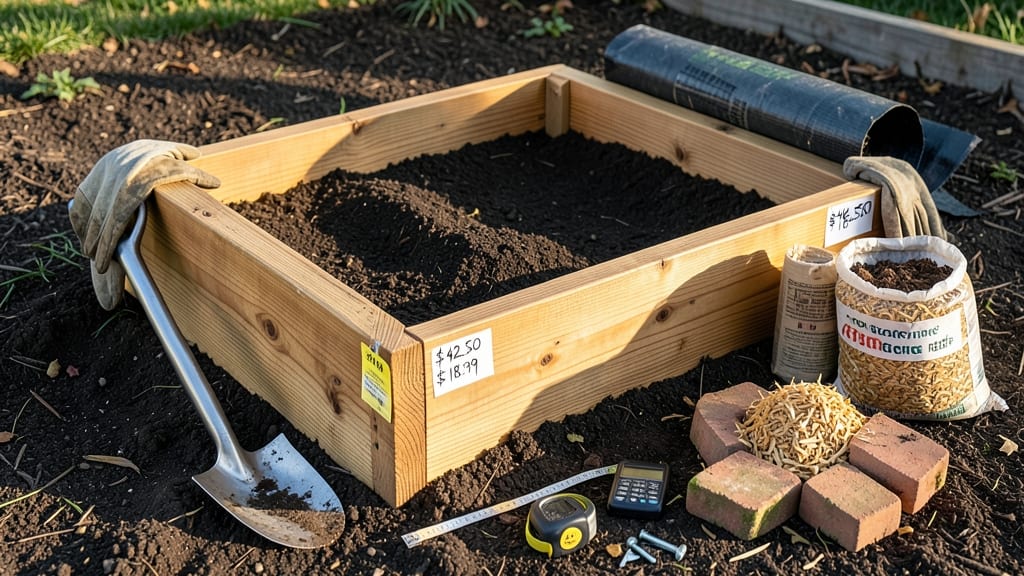
The cost of garden beds ranges significantly based on size, materials, and design, starting at $100 for a basic 4x4-foot cedar raised bed and reaching over $1,500 for custom in-ground designs with premium landscaping. DIY kits begin at $50, while professional installation can add $500 or more per bed.
Understanding garden bed pricing helps you balance quality and budget. 🌱 Cedar and pressure-treated wood are popular choices, but cedar lasts longer and resists rot, while pressure-treated wood is more affordable but may require sealing.
Size matters too—larger beds cost more per square foot, and custom designs with irrigation systems or decorative stonework can double the price. Regional lumber costs and labor rates also play a role, so prices may vary by up to 20% depending on where you live.
For budget-conscious gardeners, recycled materials like reclaimed wood or composite lumber offer durable alternatives without the high cost of premium cedar. DIY kits let you control expenses, but professional installation ensures proper leveling and drainage, which can prevent costly mistakes down the road.
Planning ahead for soil quality and mulch needs can also cut long-term costs.
💡 In This Article
- Factors That Influence Garden Bed Pricing
- Budget-Friendly Garden Bed Material Options
Factors that influence garden bed pricing
The most significant cost driver is the type of material you choose. Cedar wood, known for its natural rot resistance and aromatic qualities, typically costs $10-$20 per board foot—about 2-3 times more than pressure-treated lumber ($2-$5 per board foot).
Stone or brick beds can run $15-$30 per square foot installed, while metal frames (like galvanized steel) average $12-$25 per linear foot. The weight and durability of materials directly impact pricing, with cedar lasting 10-15 years untreated, while pressure-treated wood may need sealing every 2-3 years.
Size plays a critical role through economies of scale. A 4x4-foot raised bed (16 sq ft) costs $100-$200 in cedar, but the per-square-foot cost drops to $8-$12. In contrast, a 8x4-foot bed (32 sq ft) might cost $250-$400—only $7.80-$12.50 per sq ft.
Labor adds another layer: DIY assembly saves $200-$500, but professional installation ensures proper leveling and drainage, which prevents future soil erosion or plant stress. Regional lumber costs vary by 15-20% due to transportation and local demand.
Design complexity significantly impacts pricing. A basic rectangular cedar bed with simple corner brackets stays under $300, while adding built-in irrigation ($50-$150) or decorative stone edging ($20-$50 per linear foot) can push costs to $1,000+.
Custom in-ground beds with curved edges or tiered levels may require 20-30% more material and skilled labor, justifying the higher price. The depth of the bed also matters—6-inch-deep beds cost less than 12-inch-deep ones because they require fewer materials.
Labor costs vary dramatically by region. In high-cost areas like California or New England, professional installation can add $500-$1,000 per bed, while midwestern states average $200-$400. Permits for in-ground beds (required in many municipalities) add $50-$200 in fees.
Even soil quality affects long-term costs—amending native soil with compost ($0.50-$2 per cubic foot) can reduce the need for expensive topsoil ($10-$30 per cubic yard).
Mulch choices also matter: straw ($3-$5 per bale) is cheaper than rubber mulch ($2-$4 per bag), but the latter lasts 3-5 years versus straw's 1 year.
Consider these key pricing tiers for common materials:
- Cedar: $10-$20 per board foot (lasts 10-15 years)
- Pressure-treated wood: $2-$5 per board foot (requires sealing)
- Composite lumber: $8-$15 per board foot (low maintenance)
- Stone/brick: $15-$30 per sq ft installed (long-term durability)
- Metal: $12-$25 per linear foot (rust-resistant coatings add cost)
For example, a 4x8-foot cedar bed with 12-inch depth costs $350-$500 in materials, while a stone-edged in-ground bed of the same size jumps to $800-$1,200 due to labor and material density.
The choice between DIY and professional installation often comes down to time versus expertise—misaligned beds can lead to poor drainage and plant rot, costing more in replacements than proper installation ever would. 🌿