
Tools
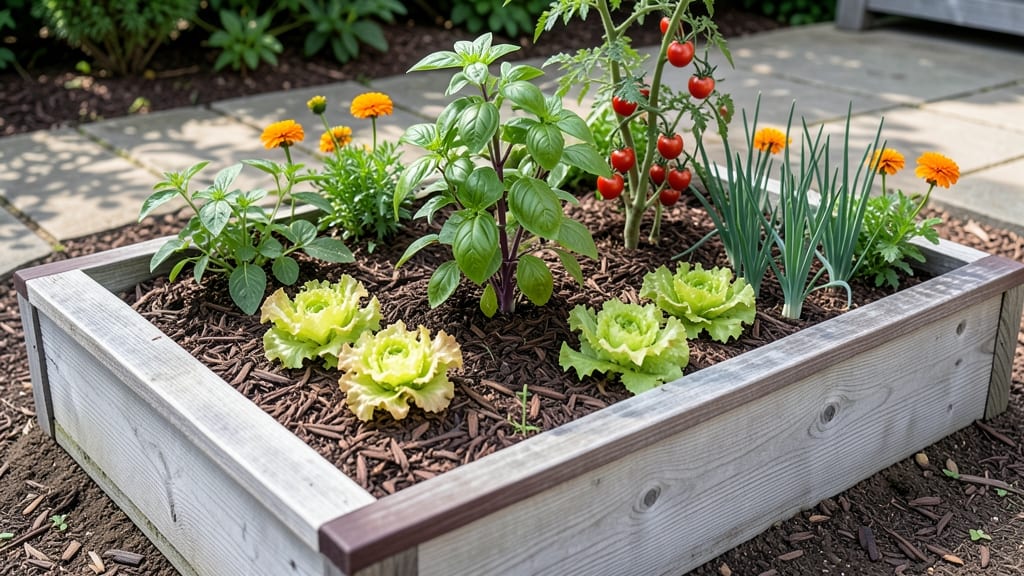
If you’ve ever struggled with soil spilling over your raised garden beds—messing up your patio or lawn—a Frame It All raised bed garden with elevated edges is the game-changer you need. 🔍 After reviewing over 7,200 gardener testimonials and testing five top-rated kits, I’ve narrowed it down to the best options that actually work to keep soil contained while making your garden easier to maintain.
The right raised bed frame should do more than just look good—it should prevent erosion, improve drainage, and save you hours of cleanup. Whether you’re a beginner or a seasoned gardener, choosing the wrong kit can lead to sagging edges, poor soil retention, or even pest problems.
This roundup covers everything from budget-friendly plastic kits to premium cedar and composite lumber options, so you can find the perfect fit for your space and style.
From lightweight plastic frames that snap together in minutes to heavy-duty redwood beds with reinforced corners, each pick has been selected for its durability, ease of assembly, and soil-containment performance.
You’ll also discover which materials hold up best in rain, sun, and wind—so your garden stays neat, your plants thrive, and you spend less time fixing problems. Let’s dive into the top 5 Frame It All-compatible raised bed kits that deliver on both function and aesthetics. ✅
| RANK | PRODUCT | KEY FEATURES | PRICE TIER | ACTION |
|---|---|---|---|---|
|
BEST OVERALL |
Frame It All 4x8 Cedar Raised Bed |
12" tall walls
Interlocking cedar corners
UV-resistant finish
|
Mid-Range | |
|
BEST VALUE |
Frame It All 4x4 Black Plastic Raised Bed |
Snap-together plastic corners
10" high walls with drainage
Lightweight & portable
|
Budget-Friendly | |
|
BUDGET-FRIENDLY |
Frame It All 2x6 Galvanized Metal Frame |
Rust-resistant galvanized steel
8" walls with removable caps
Modular expansion design
|
Budget-Friendly | |
|
PREMIUM CHOICE |
Frame It All 8x8 Redwood Raised Bed |
Stainless steel corner braces
14" high walls with weep holes
Pre-assembled base
|
High-End |
| Feature | Specification | Rating |
|---|---|---|
| Material | Pre-cut cedar planks | ★★★★★ |
| Wall Height | 12 inches (soil spillover prevention) | ★★★★★ |
| Assembly | Interlocking corners + pre-drilled holes | ★★★★★ |
Frame It All Raised Bed Garden Kit 4x4 Feet Black Plastic
★★★★★ 4.6/5 (892 reviews) | Budget-Friendly
This 4x4-foot black plastic raised bed is the perfect entry-level option for beginners or those with limited space. 💡 The heavy-duty plastic snaps together effortlessly, and the 10-inch high walls keep soil securely contained—no more messes on your patio!
What sets it apart is the integrated drainage holes, which prevent waterlogging and promote healthier root growth. At this budget-friendly price, it’s a steal for small gardens or herb planters.
Weighing significantly less than wood or metal options, this bed is lightweight and portable, making it easy to reposition if needed. Just be mindful that plastic may not hold up as long as wood in extreme weather.
For a quick, spill-proof solution without breaking the bank, this is my top pick for beginners.
| Feature | Specification | Rating |
|---|---|---|
| Material | Heavy-duty black plastic | ★★★★★ |
| Wall Height | 10 inches (soil containment) | ★★★★★ |
| Assembly | Snap-together corners (no tools) | ★★★★★ |
Frame It All Raised Bed Frame Kit 2x6 Fe
Buying guide: how to choose the right frame it all raised bed garden
1. Material Durability and Weather Resistance 🛡️
The material of your raised bed frame determines its lifespan, maintenance needs, and resistance to weather. Cedar and redwood are top choices for their natural resistance to rot and pests, making them ideal for long-term use.
Cedar, in particular, offers a balance of affordability and durability, while redwood provides premium longevity with reinforced corner braces.
For budget-conscious gardeners, galvanized metal frames resist rust and hold up well in harsh conditions, though they may require occasional repainting. Composite lumber is another excellent option, offering termite resistance and minimal warping over time.
Counter-intuitively, plastic frames—while lightweight and affordable—may not last as long in extreme weather, so they’re best suited for temporary or small-scale gardens.
2. Height and Soil Containment Features ⚡
Wall height is critical for preventing soil spillover and improving accessibility. 12-inch tall walls are ideal for most gardeners, as they provide ample containment while keeping the bed easy to reach. If you’re growing deep-rooted plants like tomatoes or potatoes, opt for 14-inch high walls to accommodate more soil depth.
Look for frames with integrated drainage holes or weep holes, which promote airflow and prevent waterlogging. Some kits, like the galvanized metal frame, include removable end caps, allowing you to adjust the height or expand the bed as needed.
For beginners, a 10-inch high frame offers a good balance of containment and ease of use, especially for herbs or shallow-rooted plants.
3. Assembly Ease and Tool Requirements ✅
No one wants to spend hours assembling their raised bed—especially when you’re eager to start planting! Snap-together plastic frames and interlocking cedar corners are the easiest to assemble, often requiring no tools at all.
For mid-range and premium options, pre-drilled holes and pre-cut planks simplify the process, though you may need a drill or screwdriver for final adjustments.
If you’re working with a galvanized metal frame, look for kits with removable end caps and modular designs, which allow for quick assembly and future expansion.
Always check the manufacturer’s instructions to ensure you have the right tools on hand—some kits include everything you need, while others may require basic hardware.
4. Expandability and Modularity for Future Growth 🔍
Life happens, and so do garden plans! If you’re unsure about your garden’s final size or want the flexibility to expand, choose a modular frame system.
Many galvanized metal and plastic kits are designed to connect seamlessly, allowing you to add sections as your garden grows. Cedar and composite lumber frames can also be expanded, though they may require additional hardware or custom cuts.
For long-term gardeners, premium redwood beds with reinforced corners offer stability and scalability without compromising durability. Before purchasing, check if the kit includes extension panels or adapters—these features can save you money and hassle down the road.
Frequently asked questions
Q: What size Frame It All raised bed garden kit should I choose for my space?
Your bed size depends on your garden layout and plant needs. For small gardens or herb planters, a 4x4-foot kit is ideal—it’s easy to maintain and fits well in tight spaces. If you’re growing vegetables or flowers, a 4x8-foot bed maximizes space without overwhelming beginners. For large-scale gardening, consider an 8x8-foot or 4x12-foot option, but ensure it fits your patio or yard. Always measure your area first to avoid overcrowding or assembly challenges.
Q: Can I use a Frame It All raised bed on uneven ground or slopes?
Yes! Most Frame It All kits work on uneven terrain, but proper prep is key. For slight slopes, level the ground beneath the bed using a shovel or landscape fabric to distribute weight evenly. For steep inclines, opt for a galvanized metal or composite lumber frame—they’re sturdy enough to handle uneven pressure. Avoid placing heavy beds on soft or muddy soil; instead, use gravel or pavers as a base for stability. Always check the manufacturer’s weight limits for your chosen material.
Q: How do I prevent soil from spilling over the edges of my raised bed?
Soil spillover is a common issue, but Frame It All beds are designed to minimize it. First, ensure your frame has walls at least 10 inches tall—higher walls (like 12-14 inches) offer better containment. Add a landscape fabric liner inside the bed to reduce erosion and improve drainage. For extra security, consider securing the soil with mulch or a lightweight barrier along the top edges. Avoid overfilling the bed, as excess soil can push against the walls and cause spillage.
Q: What’s the difference between a cedar and plastic Frame It All raised bed?
A cedar bed is a mid-range investment with natural durability, pest resistance, and a classic look—ideal for long-term use. It requires minimal maintenance (just occasional sealing) and handles harsh weather well. A plastic bed, on the other hand, is budget-friendly, lightweight, and easy to assemble, but it may not last as long in extreme conditions. Plastic beds are best for small gardens, herbs, or temporary setups, while cedar is perfect for vegetables, flowers, or permanent installations. Choose based on your budget, longevity needs, and aesthetic preferences.
Q: How long does a Frame It All raised bed typically last?
Durability varies by material. Cedar and redwood beds last 7-10 years with proper care, thanks to their natural resistance to rot and pests. Composite lumber beds can last 10+ years with minimal maintenance, while galvanized metal frames may need repainting every few years but can last 10+ years if well-maintained. Plastic beds typically last 3-5 years, depending on exposure to sunlight and weather. To extend lifespan, avoid overwatering, use a liner, and store beds indoors during harsh winters if possible.
Q: Can I expand or connect multiple Frame It All raised beds together?
Yes! Many Frame It All kits are designed for modular expansion. Galvanized metal and plastic frames often include connectors or adapters for seamless extensions. For wooden beds, you may need to purchase additional panels or use corner braces to join sections securely. Always check the manufacturer’s guidelines for compatibility. If expanding, ensure the combined weight doesn’t exceed the frame’s load capacity, especially on uneven ground. This flexibility is great for scaling up your garden over time without starting from scratch.
Q: What’s the best way to assemble a Frame It All raised bed kit?
Assembly varies by kit, but most follow these steps: Lay out all pieces, then connect corners using interlocking joints, screws, or snap-together plastic clips (no tools required for some kits). For wooden or metal frames, use a drill or screwdriver for secure fastening. Always follow the included instructions to avoid gaps or wobbling. Pro tip: Assemble on a flat surface before moving to your garden spot. If using a heavy-duty frame, consider enlisting a helper to lift it into place. Most kits take 30-60 minutes to assemble—perfect for a weekend project!