
Flowers
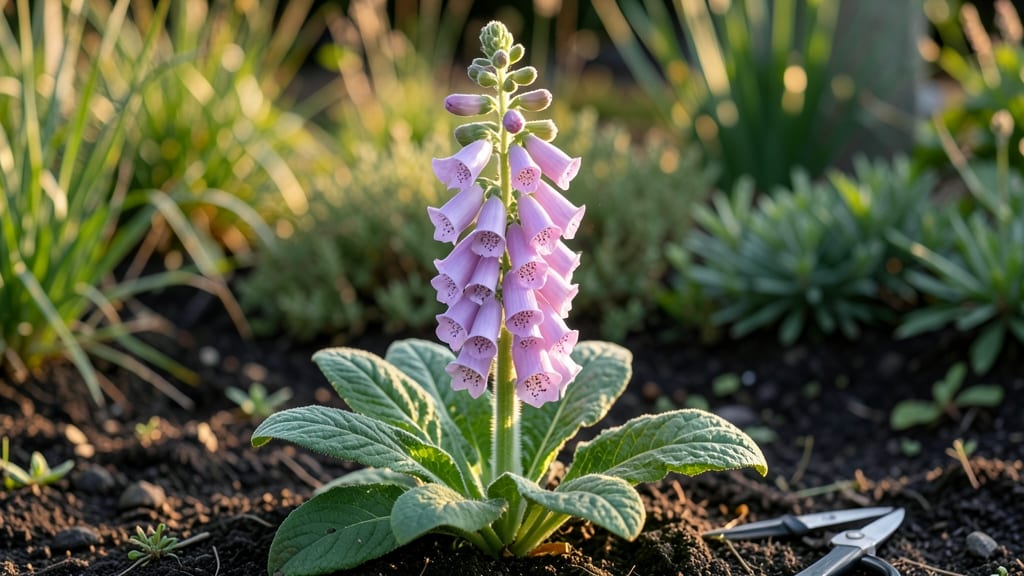
Growing a foxglove flower perennial 🌱 transforms your garden into a towering, fairy-tale landscape—but its striking beauty comes with a hidden danger. This biennial thrives in spots where other plants refuse to grow, yet its leaves pack enough toxins to sicken pets or children.
Picture this: 6-foot spikes of bell-shaped blooms swaying in your shadiest corner, their purple, pink, or white flowers drawing hummingbirds while demanding almost no care. But before you plant, you need to know the one critical rule that keeps your garden safe while letting this drama queen shine.
Foxglove loves poor soil and partial shade—ideal for rocky slopes or under trees—but it refuses rich compost. The secret to its success? Minimal fuss and a few key tricks to coax those iconic blooms year after year without the risks.
In this guide, I’ll walk you through where to plant, how to protect curious paws, and the simple steps to turn your shadiest spot into a foxglove paradise—without the heartbreaking mistakes that trip up even experienced gardeners.
Foxglove flower perennial care: growing tips for thriving in poor soil
Foxglove (Digitalis purpurea) stands out as a low-maintenance perennial that thrives in nutrient-poor soil while delivering striking vertical blooms. Unlike many garden favorites, foxglove doesn't demand rich compost—it actually prefers lean conditions that prevent leggy growth.
This hardy plant adapts to rocky gardens and woodland edges, making it perfect for challenging spaces where other flowers struggle.
The secret to foxglove's success lies in its deep taproot system, which accesses moisture and minerals deep underground. While it blooms best in partial shade, it tolerates full sun in cooler climates. With proper care, your foxglove can re-bloom annually for years, creating a dramatic cottage garden centerpiece.
📋 Quick Reference Summary:
| Category | Details |
|---|---|
| Plant Type | Biennial/Short-lived perennial |
| Sunlight Needs | Partial shade (4-6 hours) |
| Soil Type | Well-draining, average to poor |
| Water Needs | Moderate (1 inch/week) |
| Mature Height | 3-6 feet tall |
| Bloom Season | Mid-summer to early fall |
| Key Tip | Deadhead spent blooms for rebloom |
When planting foxglove, choose a sheltered location with morning sun and afternoon shade to prevent wilting. The plant's bell-shaped flowers come in shades of purple, pink, white, and yellow, attracting hummingbirds and bees.
For longer blooming, plant foxglove in successive batches every 2-3 weeks—this ensures a staggered display from July through September.
One of foxglove's greatest strengths is its drought tolerance once established. While seedlings need consistent moisture, mature plants store water in their thick stems. Water deeply once weekly during dry spells, focusing on the root zone rather than overhead watering to prevent fungal issues.
To encourage second-year blooming, avoid fertilizing—foxglove performs best in low-nutrient conditions. Instead, incorporate organic mulch like straw around the base to suppress weeds and retain moisture. This natural mulch layer also protects roots from temperature swings during winter.
For container growing, select a pot with drainage holes and use a light potting mix combined with perlite. Foxglove in containers may need more frequent watering since roots can't access deep moisture. Place containers where they receive filtered sunlight to prevent leaf scorch.
Deadheading spent blooms by pinching off faded flower spikes encourages reblooming and prevents self-seeding. However, leave some seed pods for natural propagation—foxglove self-sows readily in perennial borders. Collect seeds in late summer for next year's garden or scatter them where you'd like new plants to appear.
Foxglove handles winter conditions well in USDA Zones 3-9, though heavy snow may bend tall stems. Use garden stakes or lightweight twine to support plants before winter. In mild climates, foxglove may bloom year-round with minimal care.
If your foxglove develops yellow leaves, it may signal overwatering or nutrient overload. Adjust care by letting the soil dry slightly between waterings. For pests, watch for aphids on new growth—spray with neem oil if needed.
With proper foxglove care, this easy-to-grow perennial will reward you with years of dramatic blooms.
Foxglove varieties and colors: choosing the safest non-toxic options
When selecting foxglove varieties for your garden, you’ll find stunning options like 'Giant Candelabra' with its towering 6-foot spikes or 'Dalmatian' with its spotted foliage. But here’s the catch: all foxgloves contain cardiac glycosides, making them toxic to pets and children.
The good news? Some cultivars are less appealing to curious pets due to their bitter taste or less accessible height.
For pet-friendly gardens, focus on taller varieties like 'Pam's Choice' or 'Excelsior', which grow 5-6 feet tall and keep their toxic leaves out of reach. Pair them with ground covers like heuchera or ajuga to create a safe barrier while maintaining that fairy-tale aesthetic.
PROS-CONS BOX
Foxglove Varieties: Pet Safety & Growing Pros/Cons
✅ Pros
- Towering height (5-6 ft) keeps leaves out of reach
- Low-maintenance thrives in poor soil and shade
- Long bloom season (summer to fall)
- Attracts pollinators like hummingbirds
❌ Cons
- Highly toxic to pets and children
- Self-seeds aggressively (can spread uncontrollably)
- No true non-toxic varieties exist in Digitalis genus
- Biennial lifespan (dies after 2 years unless reseeded)
If you’re worried about pet safety, consider alternative plants with similar vertical drama, like canna lilies or tall bee balm. These offer non-toxic options while still providing height and color.
For foxglove lovers, deadheading spent blooms encourages more flowers and reduces seed spread, keeping your garden neat and controlled.
Color-wise, white foxglove like 'Alba' is a classic choice for cottage gardens, while deep purple varieties like 'Black Prince' add dramatic contrast. Bicolor options like 'Peach Melba' bring a soft, romantic touch. Remember: darker colors often hide dirt, making them ideal for shady spots.
For maximum safety, combine foxglove with pet-safe companions like lamium or heuchera. These ground covers create a living barrier while adding texture and color to your foxglove borders. Always supervise pets near foxglove, even in containers, as chewing habits can change.
My top recommendation? Grow foxglove in a dedicated bed away from high-traffic areas, surrounded by pet-friendly plants. This way, you get the magical height and color without the heartbreaking risks—and your garden stays both beautiful and safe.