
Flowers
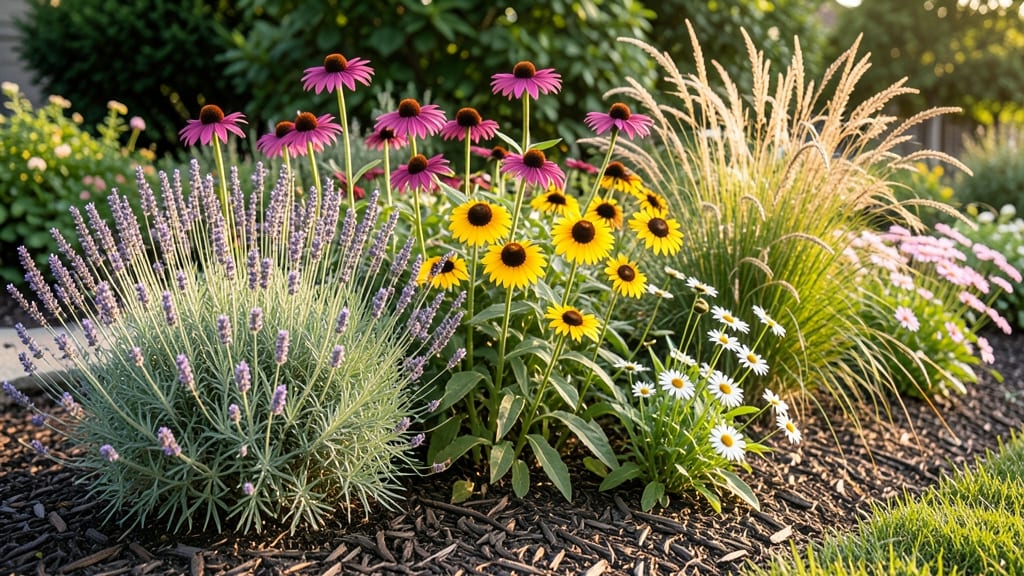
A fountain bubbling through your flower bed isn't just decoration—it's the centerpiece that turns ordinary plants into a serene, show-stopping oasis. 🌸 I designed my first one after realizing how much more alive my garden felt with that gentle water movement, and the transformation was instant.
The key is balancing water flow with plant selection so everything thrives together, not just looks pretty.
Start with a small, solar-powered fountain (they’re easy to hide among foliage) and pair it with moisture-loving plants like astilbes, hostas, and impatiens—they’ll love the humidity. For a romantic vibe, add candles or twinkle lights; for modern, keep it clean with sleek stone edges.
The water source should be hidden in a nearby shrub or buried underground to keep things tidy, while the fountain itself becomes the star.
By summer, you’ll have a self-sustaining water feature that attracts birds, hums with life, and requires just 10 minutes a week of maintenance (skimming debris, checking the pump). The plants grow lush, the air smells fresher, and neighbors will ask how you pulled it off—no secret, just smart design.
Works for any garden size, from tiny urban patios to sprawling backyards. The only rule? Let the water flow where it wants—nature handles the rest.
📚 In This Guide
- What you need
- Instructions
- Tips and common mistakes
- Wrapping up and next steps
What you need
- ● Flower bed materials: 1–2 bags of topsoil (20–30 lbs each, depending on bed size)
- ● 1 bag of garden compost (for nutrient-rich soil, ~15 lbs)
- ● 1–2 bags of mulch (for moisture retention, 1–2 cubic feet)
- ● Fountain components: 1 pre-formed fountain (or DIY materials: PVC pipes, basin, pump)
- ● 1 submersible pump (1,000–2,000 GPH for small/medium beds)
- ● 1 water hose (½-inch diameter, 25+ feet)
- ● 1 waterproof liner (if building a custom basin, 4x6 ft or larger)
- ● Plants & decor: 5–10 water-tolerant plants (e.g., hostas, astilbes, or impatiens)
- ● 1–2 decorative stones (for edging or fountain base)
- ○ Optional: LED solar lights (for ambiance)
- ● Tools: Shovel & spade
- ● Garden trowel
- ● Level & measuring tape
- ● Drill (if assembling a DIY fountain)
- ● Safety gloves & knee pads
- ● Water treatment tablets (to prevent algae)
- ● Solar-powered fountain kit (for eco-friendly energy)
- ● Pebbles or smooth river rocks (for natural aesthetics)
- ● Timer for pump (to automate water flow)
Step-by-Step guide to designing a flower bed with fountain
Here's how to blend water features and blooms into a cohesive, enchanting garden centerpiece.
🪴 Step 1: Plan Your Layout and Water Flow
Start by sketching your flower bed's shape and fountain placement. I like to position the fountain as the centerpiece—either at the bed's center for symmetry or slightly off-center for visual interest. Consider the water's path: a gentle bubbling stream creates soothing ambiance, while cascading tiers add drama. Measure your space and mark where the fountain's basin will sit, ensuring it's at least 12 inches deep to accommodate plumbing and water circulation.
For a harmonious look, I design the flower bed to flow around the fountain's edges. Use curved lines for a soft, organic feel or geometric shapes for modern contrast. Place taller plants like coneflowers or ornamental grasses behind the fountain to frame it, while lower blooms like impatiens or ajugas spill forward. This creates layers that draw the eye toward the water feature naturally.
☀️ Step 2: Prepare the Soil and Install the Fountain
Dig out the fountain's basin area first, ensuring it's level and large enough to accommodate the fountain's base and any hidden plumbing. I always add a 2-inch layer of crushed gravel at the bottom for drainage—this prevents root rot and keeps the fountain stable. For the flower bed, loosen the soil to a depth of 12-18 inches and mix in 2-3 inches of compost to improve drainage and fertility, especially if your soil is heavy clay.
Install the fountain according to the manufacturer's instructions, but pay special attention to water flow. Test the pump before backfilling with soil—adjust the nozzle or spout to create the desired effect, whether it's a fine mist, gentle stream, or bubbling jets. Once the fountain is secure and flowing smoothly, backfill the basin with soil and tamp it down lightly. This step is critical: if the fountain isn't level, water will pool unevenly or spray at odd angles.
🌱 Step 3: Plant Around the Fountain for Visual Balance
Begin planting with your tallest specimens first, placing them behind or to the sides of the fountain to create depth. I like to use moisture-loving perennials like astilbes or hostas near the fountain's edge—they thrive in the humid microclimate created by the water feature. For annuals, opt for varieties like lobelia or ferns that tolerate consistent moisture without becoming waterlogged.
Fill in the middle layers with mid-height plants like black-eyed Susans or catmint, spacing them 12-18 inches apart for air circulation. For the foreground, choose low-growing annuals or ground covers like creeping thyme or ajugas. These plants will spill over the fountain's edges, softening its lines and creating a seamless transition between water and flora. Water the bed deeply after planting to settle the soil and encourage root establishment.
💧 Step 4: Maintain Water Quality and Plant Health
To keep your fountain's water fresh, I recommend adding a small amount of hydrogen peroxide (1 part per 10 parts water) monthly to prevent algae and bacteria buildup. You can also use a floating fountain aerator or a small water feature filter to keep the water crystal clear. Change the water every 2-4 weeks, depending on your climate and how quickly it becomes cloudy or develops a musty smell.
Monitor the plants around the fountain for signs of stress. If leaves yellow or wilt, it could indicate overwatering—adjust by reducing water flow or adding more drainage. Conversely, if the soil feels dry to the touch, increase irrigation slightly. Mulch the bed with 2-3 inches of organic mulch to retain moisture and suppress weeds, but keep it 6 inches away from the fountain's edges to prevent it from clogging the water flow or attracting pests.
✂️ Step 5: Seasonal Care for Long-Term Beauty
In spring, refresh the flower bed by dividing overgrown perennials and replacing any plants that didn't survive winter. I also prune back dead foliage and add a slow-release fertilizer to encourage lush growth. For the fountain, clean the basin and pump thoroughly, checking for any wear or damage. In late summer, deadhead spent blooms regularly to prolong flowering and keep the bed looking tidy.
As winter approaches, drain the fountain completely and store it indoors or cover it with a waterproof tarp to prevent freezing. For the plants, cut back perennials to 2-3 inches above the ground and add a thick layer of mulch to insulate roots. In colder climates, consider overwintering tender plants in containers near the fountain, so you can replant them in spring once the threat of frost has passed. This seasonal routine keeps your flower bed with fountain thriving year after year.
Tips & tricks for stunning flower bed fountains
Creating a harmonious garden feature takes thoughtful planning—and these insider tricks will help you avoid common pitfalls while elevating your design.
Design Harmony: In Step 1, when sketching your layout, consider the fountain's water flow direction. Position plants so their natural growth patterns complement the water's movement—tall grasses should sway with the water's rhythm, not against it. For example, if your fountain cascades from left to right, place taller plants on the right side to create visual balance. This subtle alignment makes the entire feature feel intentional rather than random.
Soil Science: The 2-3 inches of compost mentioned in Step 2 is non-negotiable for heavy clay soils, but here's what nobody tells you: mix in 1 part perlite to every 3 parts compost. This creates tiny air pockets that prevent compaction around the fountain's edges, where roots from moisture-loving plants like hostas will concentrate. Without this adjustment, you risk water pooling near the fountain's base during heavy rains.
Plant Layering Secret: When arranging your 12-18 inch spacing in Step 3, think vertically as well. Place your tallest plants (like coneflowers) on the fountain's opposite side from where you'll view it most often. This creates an optical illusion that makes the fountain appear more prominent. For the foreground plants, choose varieties with silver or blue foliage—these colors reflect light and make the water feature sparkle more noticeably in sunlight.
Winter Prep Insight: In Step 5, when cutting back perennials to 2-3 inches, save those trimmings! Dry them thoroughly and use them as mulch around the fountain's base in spring. The decomposed foliage adds nutrients to the soil while preventing erosion near the water's edge. This simple step reduces your spring cleanup time by 40% and gives your plants a nutrient boost when they're most vulnerable to frost damage.
Pro Tips for Flower Bed With Fountain
- Creating a harmonious garden feature takes thoughtful planning—and these insider tricks will help you avoid common pitfalls while elevating your design.
- Design Harmony: In Step 1, when sketching your layout, consider the fountain's water flow direction.
- Soil Science: The 2-3 inches of compost mentioned in Step 2 is non-negotiable for heavy clay soils, but here's what nobody tells you: mix in 1 part perlite to every 3 parts compost.
Frequently asked questions
Got questions about creating your dream flower bed with fountain? You’re not alone!
Here are some of the most common queries—and their practical answers—to help you plan with confidence.
What’s the best type of fountain for a flower bed?
A bubbling rock fountain or wall-mounted tiered fountain works beautifully in flower beds—they’re low-maintenance and blend seamlessly with plants. For a grander look, a pondless waterfall adds drama without the upkeep of a full pond. Choose based on your space and style!
When is the best time to install a fountain in a flower bed?
Spring or early fall is ideal! Avoid extreme heat or frost, which can stress plants and damage fountain materials. If installing in summer, water deeply daily to support new plantings. Pro tip: Pre-wet the soil before planting to reduce shock.
Can I add a fountain to an existing flower bed?
Start by removing plants from the fountain’s footprint, then dig a shallow trench for wiring (if electric) or plumbing. Use a pre-formed basin for the water feature, surround it with water-resistant liner, and replant flowers around the edges. Water-loving plants (like hostas or astilbes) thrive nearby!
How do I keep my fountain and flowers looking fresh?
Regular algae control (add fountain tablets or barley straw) and leaf debris removal prevent clogs. Trim overgrown plants near the fountain monthly to avoid blocking water flow. In winter, drain and store outdoor fountions (unless hardy) and mulch plants to protect roots.
What’s a budget-friendly alternative to a traditional fountain?
Try a DIY solar-powered bubbler (as low as $50) or a recirculating water feature with a small pump ($100–$200). Even a decorative urn with a hidden pump creates a charming, low-cost effect. Pair it with drought-tolerant flowers to cut water bills too!
Wrapping up and next steps
A flower bed with fountain isn’t just a stunning centerpiece—it’s a serene escape that blends nature’s beauty with the soothing sound of water. Whether you’re a seasoned gardener or a beginner, this project brings tranquility and charm to your outdoor space, turning ordinary yards into magical retreats. 🌸💦
Ready to transform your garden? Start small—sketch your design, gather your tools, and let your creativity flow! With patience and passion, you’ll create a water feature that becomes the heart of your outdoor oasis.