
Pruning
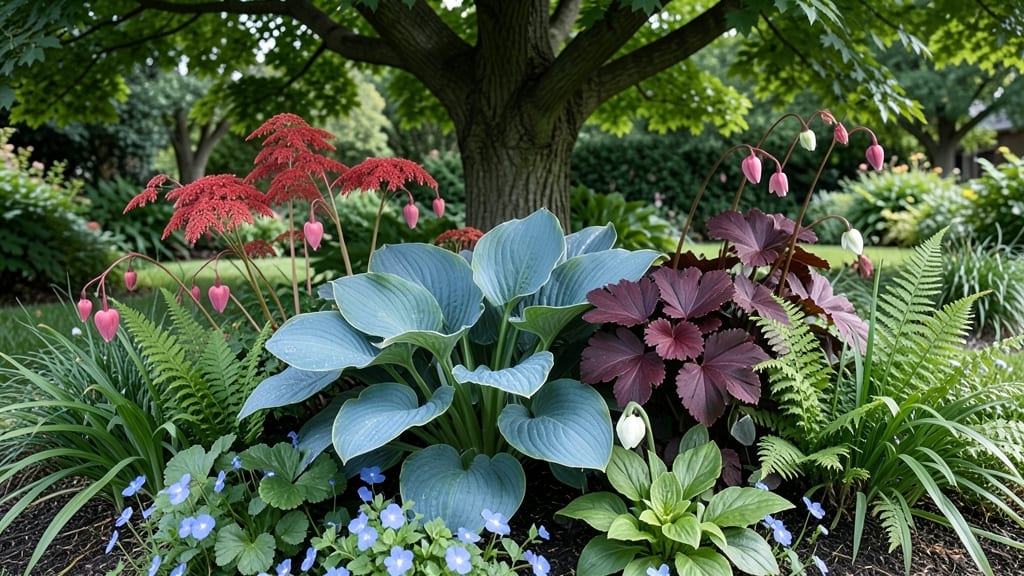
Creating a flower bed under tree isn’t just possible—it’s a chance to turn a tricky spot into a lush, low-maintenance oasis. 🌿 The key? Choosing shade-tolerant plants that love dappled light and won’t compete with the tree’s roots for water or nutrients.
My first attempt failed when I picked sun-loving annuals, but this time, I’m sharing the plants and layout tricks that actually work.
Start with hostas, ferns, and bleeding hearts—they thrive where sunlight filters through leaves. Add heucheras for their striking foliage and astilbes for airy plumes.
Mulch heavily with shredded bark to suppress weeds and keep roots cool, and avoid planting too close to the trunk (at least 2–3 feet away) to protect the tree’s health. The result? A bed that looks intentional, not neglected.
You’ll end up with a space that feels like a secret garden—vibrant even in summer shade, with textures that shift as the tree’s canopy moves. The best part?
Once established, these plants need almost no extra care beyond seasonal trimming. Think of it as a “plant once, enjoy forever” solution for that often-wasted corner of your yard.
For extra drama, layer in evergreen ground covers like sweet woodruff or spring bulbs like snowdrops for early color. Just avoid anything too aggressive—like mint or bamboo—that might strangle the tree’s roots.
This isn’t just a flower bed; it’s a low-stress, high-impact way to make the most of your yard’s natural shadows.
📚 In This Guide
- What you need
- Instructions
- Tips and common mistakes
- Wrapping up and next steps
What you need
- ● Soil amendments: Compost (2–3 bags, ~4–6 cubic feet total)
- ● Peat moss or coconut coir (1–2 bags, ~1–2 cubic feet)
- ● Perlite or sand (1 bag, ~1 cubic foot) for drainage
- ● Mulch: Shredded bark or pine straw (2–3 bags, ~1–2 cubic feet)
- ● Shade-tolerant plants: 5–10 plants (e.g., hostas, ferns, bleeding hearts, or impatiens)
- ● Garden gloves (1 pair)
- ● Watering can or hose with a gentle spray nozzle
- ● Garden trowel or spade
- ● Pruners (for trimming plants or tree roots if needed)
- ● Measuring tape (to plan spacing)
- ● Wheelbarrow or large bucket (for mixing soil)
- ○ Optional: Landscape fabric (to suppress weeds)
- ○ Optional: Decorative stones or edging (for borders)
- ● Clear the area under the tree of debris (leaves, branches, weeds).
- ○ Test your soil’s pH (optional but helpful for shade plants).
- ● Check the tree’s root zone—avoid planting too close to the trunk (keep ~1–2 feet away).
Step-by-Step guide to creating a thriving flower bed under a tree
Here's how I transform shady spots into vibrant displays using the right plants and prep work.
🌱 Step 1: Assess Light Conditions and Prepare the Soil
First, observe your tree's canopy during different times of day. Most trees cast dappled light—patches of filtered sun that change throughout the day. Mark areas that receive 2-4 hours of direct sun with flags or stakes; these spots can handle sun-loving shade plants like astilbe or bleeding heart. The deeper, darker areas under dense branches will need true shade lovers like hellebore or ferns.
Once you've mapped your light zones, clear away existing weeds and debris from a 3-foot diameter area (or larger if planting multiple plants). Use a garden fork to loosen the soil to a depth of 12 inches, breaking up any compacted layers. If your soil feels heavy or clay-like, mix in 2-3 inches of compost to improve drainage and fertility. I always rake the surface smooth afterward—this prevents water from pooling and keeps the bed looking neat.
🪴 Step 2: Choose the Right Plants for Your Light Zones
For dappled light areas, select plants that tolerate some sun but won't scorch in direct rays. My go-to choices are astilbe (with their feathery plumes), hosta (for lush foliage), and lungwort (which spreads beautifully). In deep shade zones, focus on hellebore, ferns like Japanese painted fern, and foamflower for delicate white blooms. I like to group plants with similar light needs together—this creates a cohesive look and ensures each plant thrives.
When selecting plants, check their mature size to avoid overcrowding. For example, hostas can spread 2-3 feet wide, while hellebore stays more compact at 1-2 feet across. Space larger plants 18-24 inches apart and smaller ones 12 inches apart. Dig holes twice as wide as the root ball but only as deep as the container—planting too deep suffocates roots.
💧 Step 3: Plant and Mulch for Long-Term Success
Gently remove plants from their containers and loosen any circling roots with your fingers. Place each plant in its hole so the top of the root ball sits just below soil level—this prevents rot while allowing roots to expand. Backfill with native soil, pressing lightly around the edges to eliminate air pockets. Water deeply right after planting to settle the soil and encourage root contact.
Spread a 3-inch layer of mulch over the entire bed, keeping it 2 inches away from plant stems to prevent rot. I prefer shredded bark or wood chips because they break down slowly and improve soil structure over time. Mulch helps retain moisture, suppresses weeds, and regulates soil temperature—critical for shade plants that often struggle in hot, dry spells. Replenish the mulch layer annually as it decomposes.
☀️ Step 4: Maintain with Minimal Effort
Water your new flower bed deeply once a week during the first growing season, allowing the top 2 inches of soil to dry out between waterings. Shade plants often suffer from overwatering, so I check moisture by sticking my finger into the soil—if it feels damp, hold off on watering. Once established, most shade-loving plants tolerate drought-like conditions better than too-wet soil.
Fertilize lightly in early spring with a balanced, slow-release fertilizer (10-10-10 or similar). I avoid high-nitrogen feeds—they encourage leafy growth at the expense of flowers. Instead, I focus on phosphorus and potassium to support blooming and root development. Deadhead spent flowers regularly to encourage more blooms, and divide crowded perennials every 3-4 years to keep them vigorous.
⏰ Step 5: Monitor and Adjust Over Time
Keep an eye on how your plants perform throughout the season. If leaves yellow or plants look leggy, they might need more light—consider thinning the tree canopy or moving some plants to sunnier spots. Conversely, if flowers don't open or growth stalls, they may need more shade or protection from afternoon sun. I always take notes after the first year to refine my plant choices for future beds.
Every 2-3 years, refresh the mulch and check for weeds. Pull any invasive plants immediately—they compete aggressively with your shade lovers. In late fall, trim back any dead or damaged foliage, but leave seed heads for winter interest. With minimal effort, your under-tree flower bed will become a lush, low-maintenance oasis that brightens up shady corners year after year.
Tips & tricks for perfect shade garden beds
Transforming shady spots into vibrant flower beds takes strategy—here's what I've learned from years of trial and error.
Light Mapping Matters: The 2-4 hours of direct sun rule is your starting point, but timing is everything. Observe your tree's shadow patterns at different times of day—morning sun behaves differently than afternoon sun. I mark my zones with colored flags (blue for morning sun, red for afternoon) to visualize where to place sun-tolerant plants like astilbe versus true shade lovers like hellebore. This simple visual cue prevents planting mistakes that waste money and effort.
Soil Prep Secret: That 12-inch soil loosening in Step 1 isn't just about breaking up compacted layers—it's about creating a sponge-like structure. I always add a handful of perlite to the compost mix when amending heavy clay soils. This improves aeration and drainage without changing the soil's natural composition. Think of it as giving your shade plants a breathing space where their roots can thrive.
Plant Placement Pro Tip: When spacing plants 18-24 inches apart, remember that mature size matters more than initial dimensions. I sketch a rough layout on graph paper first, using the mature spread measurements from plant tags. This prevents overcrowding later when plants fill out. For example, that hosta you love might only be 12 inches wide now, but it'll spread to 2 feet—plan accordingly!
Mulch Maintenance: The 3-inch mulch layer is non-negotiable, but here's what nobody tells you: Refresh it annually in early spring before new growth begins. I use a mix of shredded bark and pine needles—this creates a natural-looking layer that breaks down slowly. The key is keeping that 2-inch clearance from stems to prevent rot while still protecting roots from temperature swings.
Pro Tips for Flower Bed Under Tree
- Transforming shady spots into vibrant flower beds takes strategy—here's what I've learned from years of trial and error.
- Light Mapping Matters: The 2-4 hours of direct sun rule is your starting point, but timing is everything.
- Soil Prep Secret: That 12-inch soil loosening in Step 1 isn't just about breaking up compacted layers—it's about creating a sponge-like structure.
Frequently asked questions
Got questions about creating a stunning flower bed under tree? You’re not alone! Here are some of the most common concerns—and their solutions—to help you grow a thriving, low-maintenance garden in dappled shade.
What are the best flowers for a flower bed under tree?
Opt for shade-tolerant perennials like heuchera (coral bells), hostas, astilbes, ferns, and impatiens. These thrive in dappled light and add texture and color. Bulbs like daffodils and crocuses also work well, blooming early before the tree fully leafs out.
When is the best time to plant a flower bed under a tree?
Plant in early spring or fall when soil is workable but not frozen. Avoid summer heat, which stresses plants. If planting bare-root perennials, do it in late winter or early spring for the best root establishment.
Will my flower bed compete with the tree’s roots?
Yes, but mulch heavily (3–4 inches) with organic material to protect roots and retain moisture. Avoid planting too close to the trunk—keep flowers at least 3–5 feet away from mature trees. Dwarf varieties or ground covers work best near the base.
How often should I water a flower bed under a tree?
Water deeply 1–2 times per week (more in extreme heat). Dappled shade can create dry pockets, so check soil moisture 2 inches down. Mulch retains moisture, reducing watering needs. Drip irrigation is ideal for even distribution.
What if my flowers aren’t thriving under the tree?
Check for compacted soil (aerate if needed) or overcrowding. If leaves yellow, it may be too much shade—try moving sun-loving plants. Fungal issues? Improve airflow and avoid overhead watering. Adjust mulch depth if it’s smothering roots.
Wrapping up and next steps
Creating a flower bed under a tree is a rewarding way to bring life and color to shady spots in your garden—without the fuss! 🌿 With the right plants, soil prep, and a little patience, you’ll transform dappled-light zones into vibrant, low-maintenance havens.
Whether you’re a seasoned gardener or just starting out, this project is totally doable with the tips you’ve learned.
Now that you’re armed with the how-tos, why not take the next step? Sketch a rough design of your flower bed, pick out your favorite shade-loving plants, and start digging!
Before you know it, your garden will be bursting with beauty—all while keeping your tree happy and healthy. Happy planting! 🌸