
Flowers
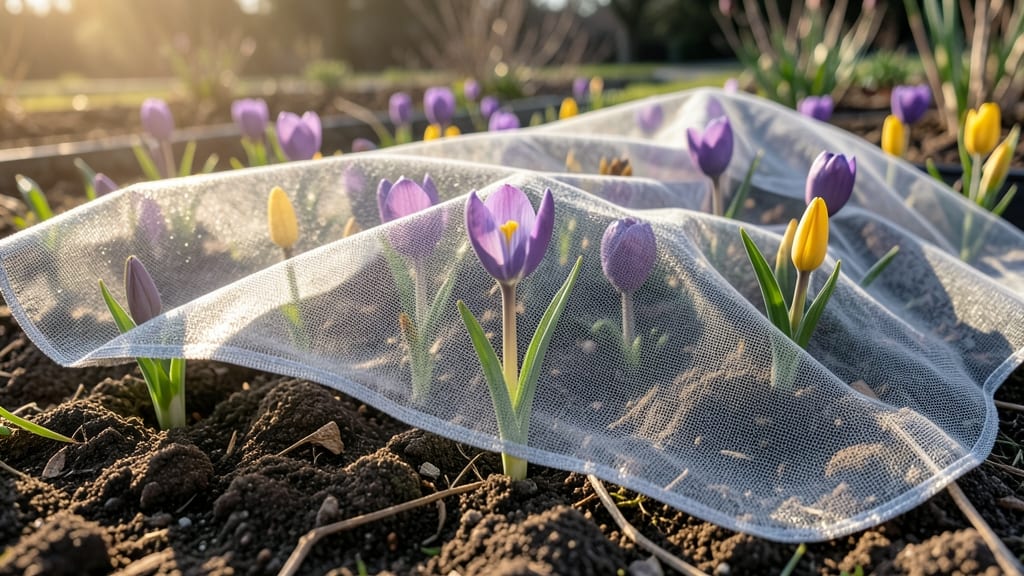
Protecting your flower beds from harsh weather, pests, and weeds is key to keeping blooms vibrant year-round. These ten flower bed coverings offer tailored solutions for every gardener's needs—from organic mulches to high-tech barriers—while enhancing soil health and reducing maintenance.
Straw Mulch for Seasonal Flower Beds
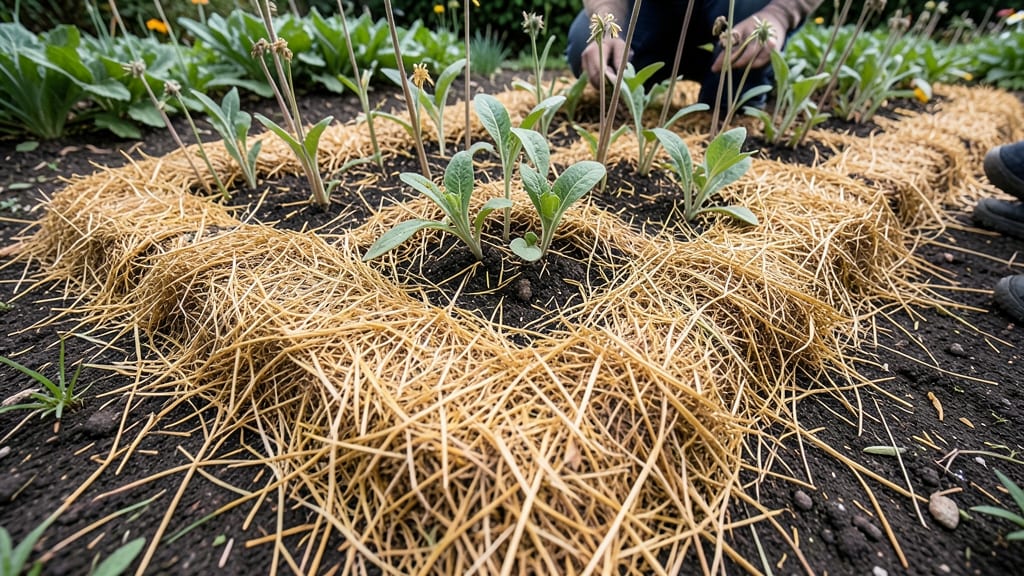
If you're looking for a zero-waste, cost-effective way to protect your seasonal flower beds, straw mulch is the answer. Unlike synthetic options, straw breaks down naturally, feeding your soil while keeping weeds at bay—all without breaking the bank.
Apply a 2-3 inch layer of straw around your annuals and perennials (like marigolds or coneflowers) to lock in moisture and regulate soil temperature. Straw’s light color reflects sunlight, preventing overheating, while its fibrous texture blocks weeds from sprouting. Best of all, it decomposes into nutrient-rich compost, giving your plants a slow-release boost.
This makes straw mulch perfect for budget-conscious gardeners or those with shallow-rooted plants that need consistent moisture. Just avoid using treated straw (like hay with seeds) to prevent unwanted volunteers. 🌱
Shredded Bark Mulch for Long-Lasting Protection
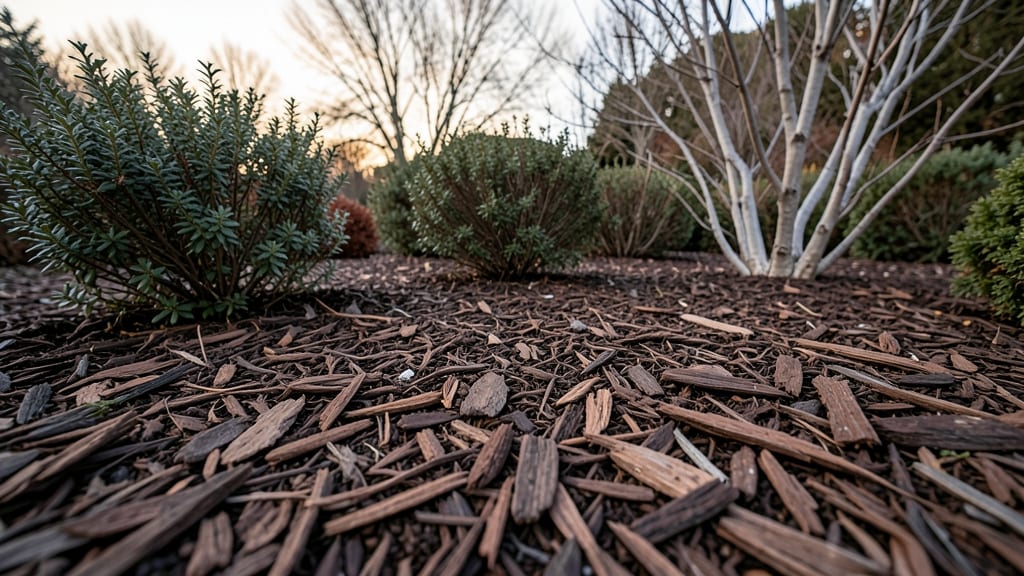
When your shrubs and woody perennials need year-round protection without the hassle of frequent replacements, shredded bark mulch is the answer. Unlike faster-decomposing options, this slow-releasing mulch stays in place for 2-3 years, insulating roots from extreme temperatures while suppressing weeds.
Made from finely ground tree bark, it creates a consistent soil temperature—critical for plants like hydrangeas and boxwoods—and improves soil structure as it breaks down. Apply a 3-4 inch layer around shrubs, keeping it 2-3 inches away from stems to prevent rot. It’s especially useful in hot climates or areas with freeze-thaw cycles.
Perfect for gardeners who want low-maintenance, long-lasting coverage, shredded bark mulch keeps your woody plants thriving without the upkeep. 🌿
Landscape Fabric for Weed Barrier Solutions
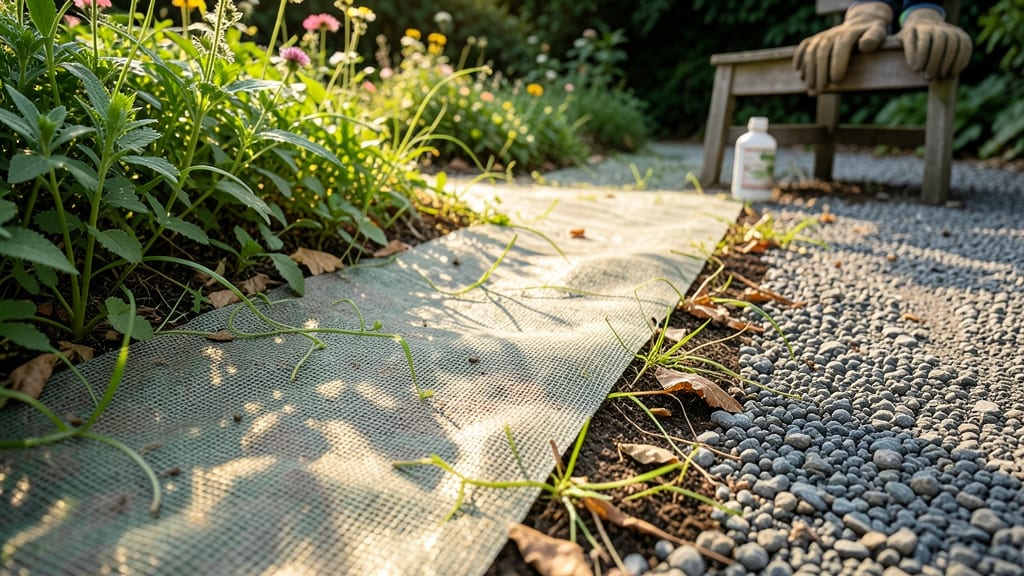
Tired of battling weeds in your high-traffic garden paths or invasive weed-prone beds? Landscape fabric is the unsung hero that blocks unwanted growth while keeping your plants happy—no more digging or herbicides needed.
This woven material comes in synthetic (polypropylene) or organic (jute/coconut fiber) options, both designed to suppress weeds while letting water and air reach your plants' roots. For high-traffic areas, opt for thicker synthetic fabric (3-4 oz per square yard) that lasts 5+ years, while organic versions break down in 1-3 years, enriching soil as they decompose. Cut fabric to fit your bed, overlap edges by 6 inches, and secure with landscape staples or rocks.
Perfect for gardeners with busy paths, invasive weeds like bindweed, or areas where mulch gets trampled. It’s also a game-changer for container gardens or raised beds where weeds love to invade. 💚
Pine Needle Mulch for Acid-Loving Plants
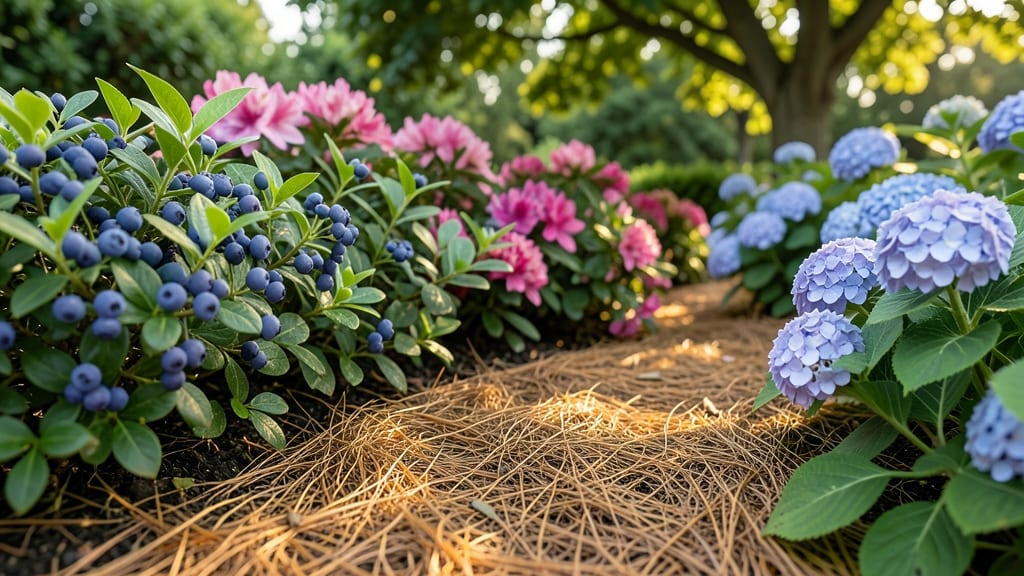
If your flower beds feature blueberries, azaleas, or hydrangeas, pine needle mulch is your secret weapon for happy, thriving plants. Unlike other mulches, pine needles slowly release acids into the soil, creating the perfect low-pH environment these acid-loving plants crave—without the need for harsh amendments.
Simply spread a 2-3 inch layer of fresh or aged pine needles around your plants in early spring or fall. The needles break down gradually, releasing beneficial organic matter while maintaining moisture and suppressing weeds. This mulch also resists compaction, making it ideal for containers or raised beds where other materials might degrade too quickly.
Gardeners with acidic soil needs will love how pine needle mulch eliminates the guesswork of pH testing. Plus, it’s a free or low-cost option if you have access to pine trees or local suppliers. 🌿
Geotextile Fabric for Erosion Control
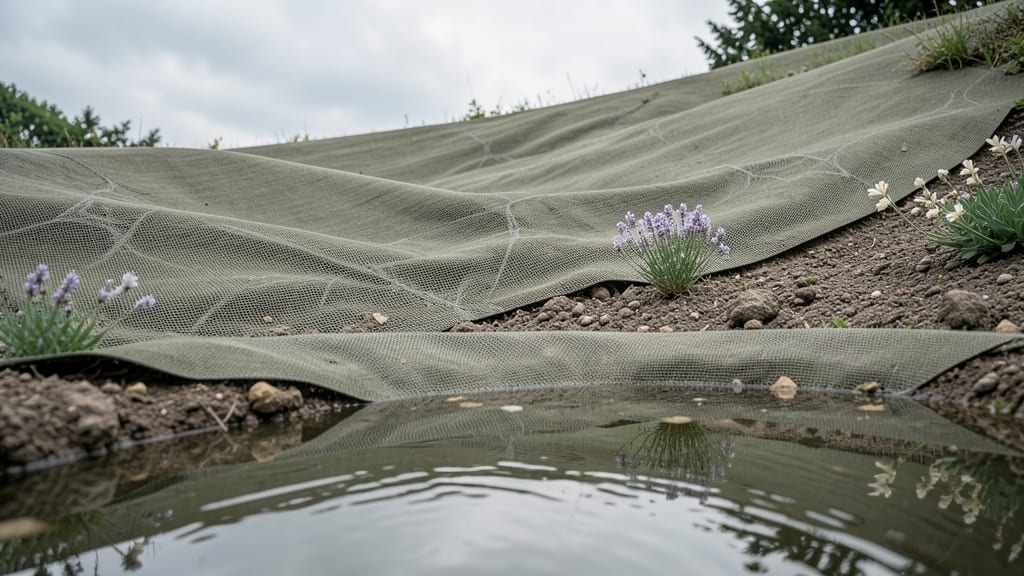
If your garden battles sloping terrain or sits near water features, geotextile fabric is your secret weapon against erosion. Unlike basic landscape fabric, this heavy-duty material is designed to stabilize soil while remaining permeable—letting water drain through while holding hillsides in place.
Made from woven synthetic fibers (often polypropylene), geotextile fabric prevents topsoil loss during heavy rains or irrigation while allowing roots to breathe. It’s ideal for newly graded slopes, retaining walls, or areas where water runoff threatens your plants. Simply lay it over bare soil, anchor the edges with landscape staples, and plant directly into the stabilized surface.
This solution is a game-changer for urban gardeners with limited flat space or anyone maintaining water garden edges. It’s also reusable—unlike organic mulches, geotextile fabric lasts for years with proper installation. 💪
Living Mulch with Ground Covers
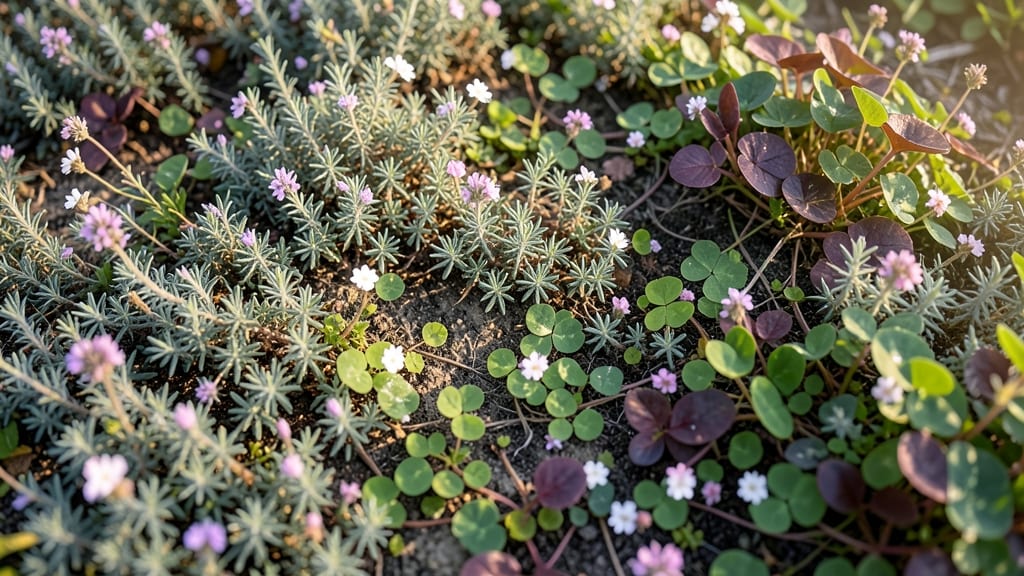
Skip the plastic and synthetic fabrics—your flower beds can get their own living, breathing cover with ground covers like creeping thyme, clover, or vinca. These hardy plants act as natural mulch, suppressing weeds while adding vibrant greenery and attracting pollinators.
Plant them between taller blooms to create a lush, low-maintenance layer that thrives in full sun to partial shade. Creeping thyme releases a pleasant aroma and repels pests, while clover fixes nitrogen in the soil. Vinca, with its glossy leaves, adds year-round interest. All three require minimal water once established.
This eco-friendly solution is perfect for gardeners who want to reduce maintenance while supporting local wildlife. 🌿
Burlap for Temporary Winter Protection
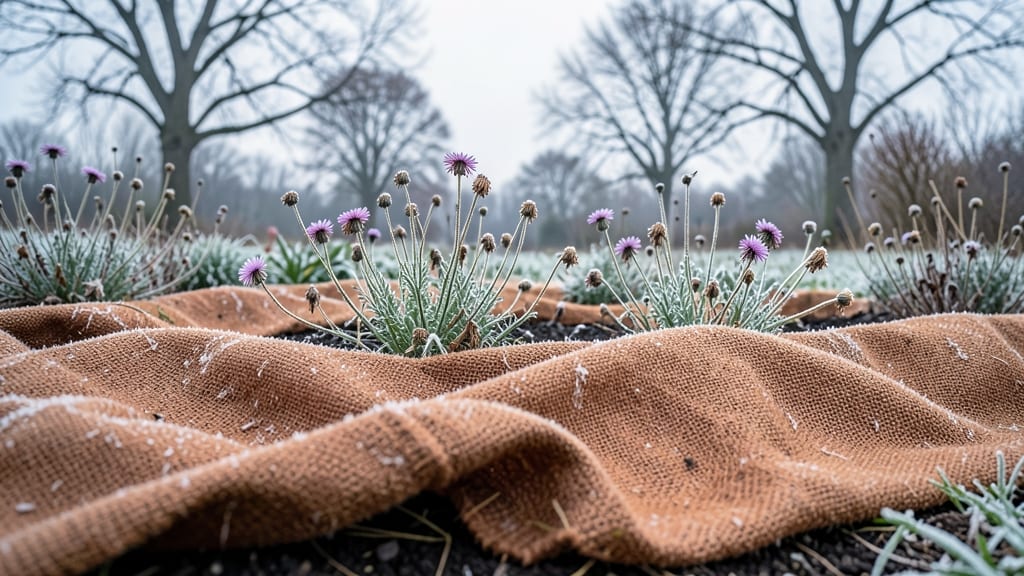
When the first frost threatens your prized perennials, don’t panic—burlap is your secret weapon for affordable, effective winter protection. This natural fiber breathes better than plastic while shielding plants from harsh winds and light freezes, making it ideal for cold-climate gardens where delicate blooms need extra care.
Simply drape burlap loosely over dormant plants like peonies, daylilies, or hostas in late fall, securing it with stakes or bricks. The material’s rough texture also deters pests like voles while allowing snow to accumulate naturally for insulation. Remove it in early spring once frost risks pass—no residue left behind! This low-cost solution is perfect for gardeners who want to avoid synthetic materials but still need reliable winter coverage.
Burlap’s simplicity makes it a favorite among beginner gardeners and seasoned pros alike, especially in regions with unpredictable winters. Just one layer can mean the difference between thriving plants and frost-damaged stems next spring. 🌱
Black Plastic Mulch for Heat Retention
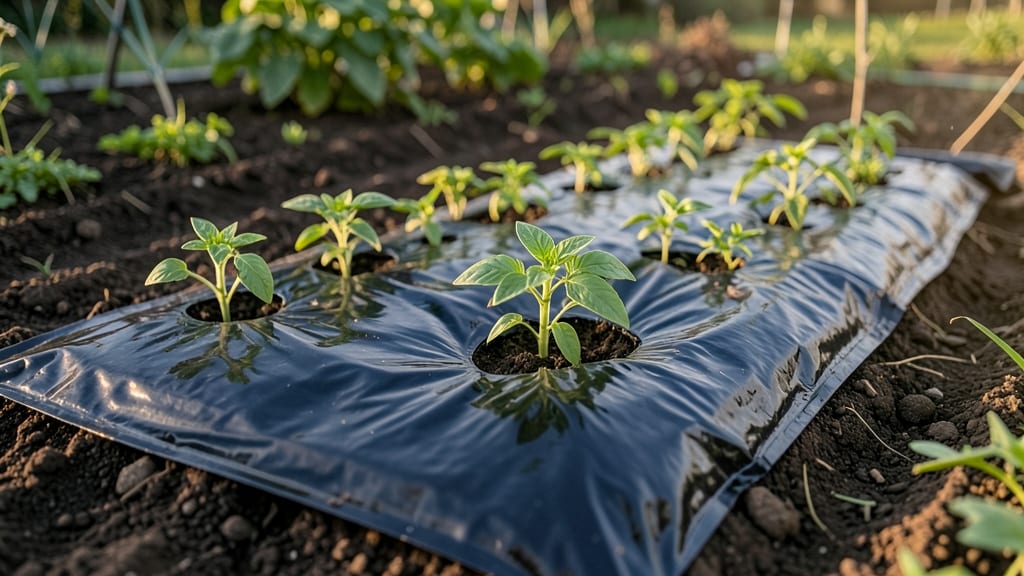
Want to jumpstart your garden in cooler climates or give heat-loving plants a head start? Black plastic mulch is your secret weapon—it absorbs sunlight like a solar panel, raising soil temperatures by 10-15°F within days. This makes it perfect for early spring planting of tomatoes, peppers, or basil, or extending fall harvests in regions with short growing seasons.
Lay the plastic 2-4 weeks before planting to warm the soil, then cut X-shaped slits for seedlings. The dark surface also suppresses weeds by blocking light while retaining moisture—ideal for drought-prone areas. Just remember to remove it after the growing season to avoid overheating next year’s soil. It’s especially useful for gardeners in USDA Zones 3-6 who want to push seasonal limits.
This low-cost solution is a game-changer for urban gardeners with limited space or those dealing with late frosts. Just pair it with drip irrigation to maximize efficiency. 🌻
Coconut Coir Mulch for Moisture Retention
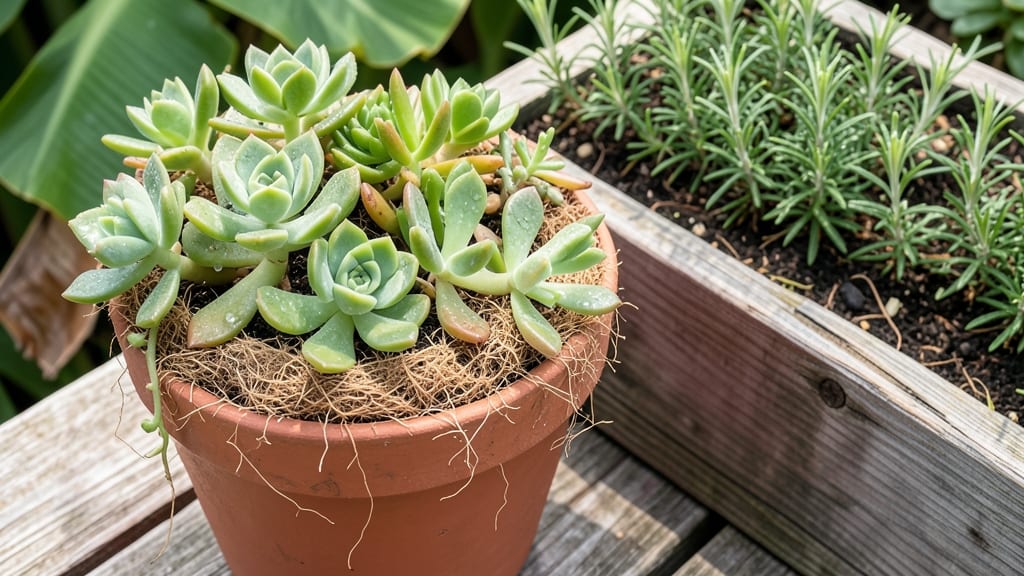
If you struggle to keep containers or drought-prone beds hydrated, coconut coir mulch is your game-changer. Made from the fibrous husks of coconuts, this renewable resource holds three times its weight in water, releasing moisture gradually to roots—ideal for succulents, herbs, or tropical plants that despise dry spells.
Unlike traditional mulches that decompose quickly, coir retains its structure for 12-18 months, reducing watering frequency by up to 50%. It also resists mold and pests, making it safer for edible gardens than wood-based options. For containers, mix coir with potting soil to create a self-watering medium that mimics tropical humidity.
Urban gardeners and eco-conscious growers will love this zero-waste solution—it’s biodegradable, sustainable, and even helps regulate soil temperature. Perfect for balconies, raised beds, or desert landscapes! 🌿
Frost Blankets for Delicate Spring Blooms

When your tulips and crocuses are just peeking through the soil but the forecast warns of late frosts, a frost blanket becomes your secret weapon. Unlike heavy mulches or plastic sheets, these lightweight fabrics shield tender blooms while letting sunlight filter through—keeping your spring garden on schedule.
Made from breathable materials like spunbond polypropylene or fleece, frost blankets trap heat radiating from the soil while allowing air and light to reach your plants. Simply drape them over emerging shoots in the evening and remove them during the day. They’re especially effective for early spring bloomers that can’t handle temperatures below 28°F, giving you a 2-4 week window to protect delicate foliage without smothering growth.
Perfect for beginners or urban gardeners with limited space, these blankets are reusable for years and can even double as shade cloth in summer. Your daffodils will thank you with vibrant blooms—no frost damage in sight! 🌷