
Flowers
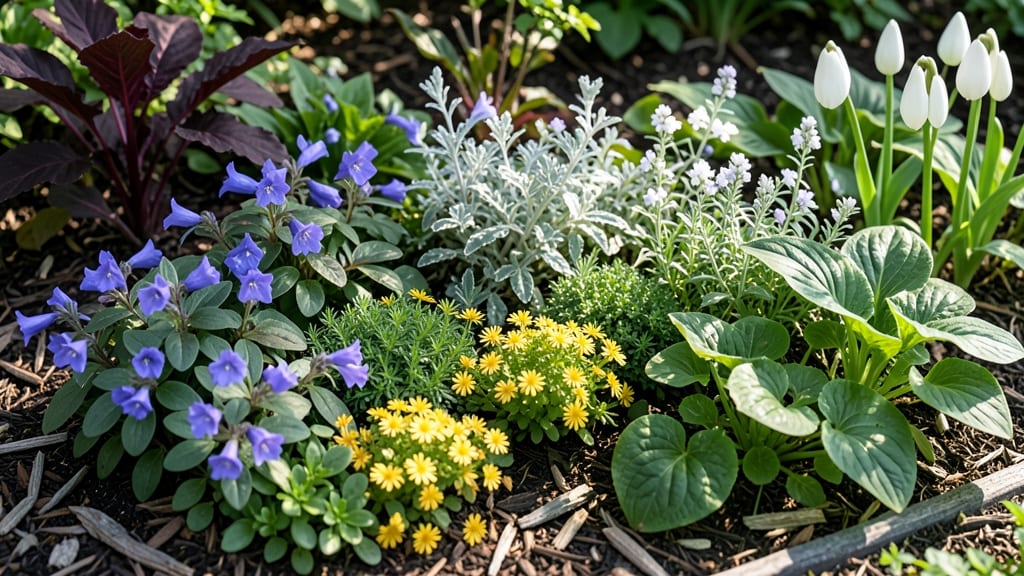
Creating flower bed coverage means using mulch to shield soil from erosion, lock in moisture, and block weeds while supporting plant vitality. Organic options like wood chips break down over time, enriching soil, while inorganic choices such as pebbles or rubber mulch stay put longer. Your selection should align with your local climate, the specific needs of your plants, and the look you're going for.
Mulching isn't just about looks—it's a game-changer for plant longevity. Organic mulches like shredded leaves or straw not only feed the soil as they decompose but also improve its structure over time. Inorganic mulches, on the other hand, like black plastic or landscape fabric, focus on weed control and temperature regulation without breaking down.
I've seen firsthand how a 3-inch layer of mulch can keep soil temperatures stable, reducing watering needs by up to 50% in hot climates. The key is matching your mulch to your goals: moisture retention for thirsty blooms or weed suppression for low-maintenance beds. 🌱
Don't forget that mulch types affect more than just moisture—some, like pine straw, acidify soil over time, making them perfect for azaleas or blueberries. Others, like cocoa hulls, add a decorative touch while slowly enriching the soil.
The right choice depends on your plants' pH needs, your local rainfall patterns, and even how much time you want to spend maintaining the bed. For example, shredded bark lasts longer than straw but costs more upfront. It's all about balancing your priorities!
💡 In This Article
- How Different Mulch Types Protect Flower Beds
- Best Mulch Choices for Year-Round Flower Bed Care
How different mulch types protect flower beds
Organic mulches like wood chips or straw work like a living blanket for your soil. They break down over time, releasing nutrients that feed your plants while improving soil structure. This decomposition process also creates tiny air pockets that enhance root respiration—critical for healthy growth.
The breakdown rate varies: straw decomposes in about 6-12 months, while hardwood chips can last 2-3 years. This gradual nutrient release is why organic mulches are ideal for long-term flower bed health, especially for perennials that need consistent feeding.
Inorganic mulches take a different approach by focusing on physical protection rather than nutrient enrichment. Materials like gravel or rubber mulch reflect sunlight, keeping soil temperatures 10-15°F cooler during summer heatwaves. They also create a barrier that blocks weeds from germinating, reducing competition for water and nutrients.
The downside? These materials don't decompose, so they don't improve soil quality over time. For example, black plastic mulch can raise soil temperatures by 5-10°F in spring, accelerating plant growth but potentially stressing heat-sensitive flowers.
The real magic happens in how mulch interacts with soil moisture. Organic mulches absorb and slowly release water, reducing evaporation by up to 70% in dry conditions. This moisture regulation is especially crucial for annuals that need consistent hydration.
In contrast, inorganic mulches like stones primarily prevent water loss by shading the soil surface. I've noticed that beds with 3-inch layers of organic mulch maintain moisture for 2-3 weeks longer between waterings compared to bare soil.
Seasonal performance varies dramatically between types. Organic mulches like leaves or grass clippings are excellent insulators in winter, protecting roots from freezing temperatures. In summer, they cool the soil by providing shade. Inorganic options, however, excel in high-maintenance areas where you want to minimize weed growth without organic decomposition.
For instance, landscape fabric under inorganic mulch creates a nearly weed-proof barrier that lasts 5-7 years, perfect for low-maintenance perennial beds.
Consider how mulch affects plant roots differently. Organic mulches encourage beneficial microbial activity near the soil surface, creating a thriving ecosystem that supports root health. Inorganic mulches, however, can sometimes create a barrier that restricts root penetration if applied too thickly.
The ideal depth is 2-4 inches—thick enough to suppress weeds but not so deep it smothers plant stems. For example, a 4-inch layer of wood chips works well for shrubs, while 2 inches is better for delicate annuals like impatiens.
One often-overlooked factor is how mulch affects soil pH over time. Pine straw, for instance, slowly acidifies the soil, making it perfect for acid-loving plants like hydrangeas or azaleas. Meanwhile, limestone chips raise pH levels, benefiting plants that prefer alkaline conditions.
This chemical interaction means your mulch choice isn't just about protection—it's also about tailoring the growing environment to your specific flowers. For example, mixing 10% pine straw with 90% bark mulch can create a balanced environment for most garden flowers.