
Plants
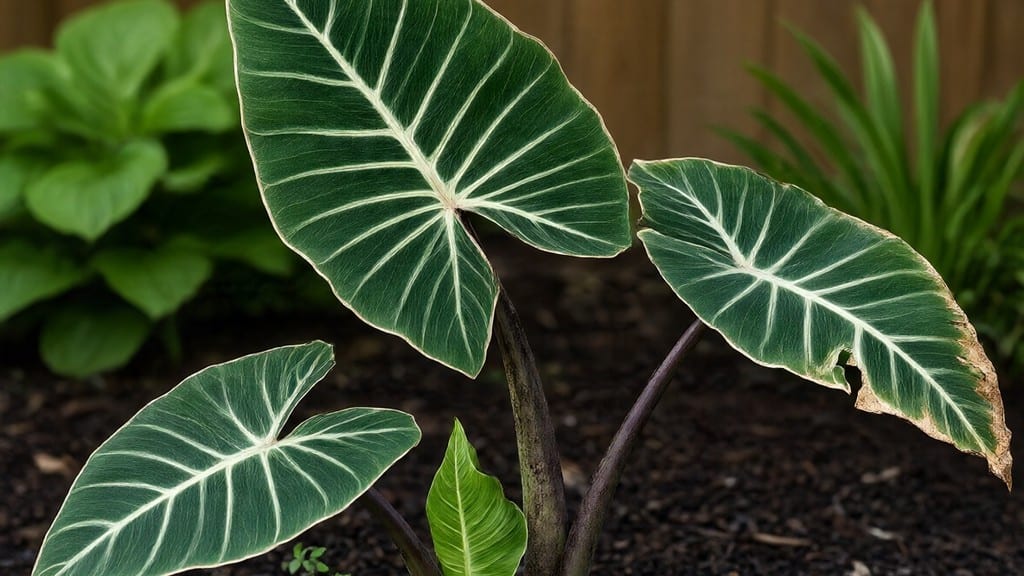
Elephant ears perennials thrive in cold climates when planted in late spring after frost danger passes, using hardy varieties like Alocasia or Colocasia hybrids that tolerate temperatures down to 20°F. Mulch heavily in fall and protect crowns with straw or leaves to ensure winter survival.
These tropical-looking plants are surprisingly resilient when given the right care.
The key to their survival in colder zones lies in their underground storage structures—thick rhizomes or tubers that store energy for regrowth. 🌱 Varieties like Colocasia esculenta (the classic elephant ear) can handle brief freezes better than their delicate cousins, while Alocasia species need extra protection.
I've seen gardeners in USDA Zone 5 successfully overwinter these plants by combining proper planting timing with thick mulch layers (at least 4-6 inches of straw or leaves). The secret isn't just about the cold—it's about preventing moisture buildup around the roots during freeze-thaw cycles.
For those in marginal climates, container growing offers flexibility—you can move potted plants to sheltered spots before winter or bring them indoors entirely. Just remember: the earlier you plant in spring (after last frost), the more time the roots have to establish before cold weather hits.
And when it comes to mulching, don't skimp—the extra insulation can make the difference between a thriving plant and a sad, wilted one next spring.
💡 In This Article
- Cold Tolerance in Elephant Ear Varieties
- Step-by-Step Planting and Winter Prep Guide
Cold tolerance in elephant ear varieties
Elephant ear plants survive cold through specialized underground structures that act like natural insulation systems. The Colocasia esculenta variety stores energy in thick, starchy tubers that can withstand temperatures down to 20°F when properly protected.
These tubers contain high levels of starch (up to 30% dry weight), which acts as an antifreeze agent by lowering the freezing point of cellular fluids.
The plant's leaves, meanwhile, enter dormancy through a process called abscission, where they naturally detach and die back, reducing moisture loss and metabolic demands during winter.
The key difference between cold-hardy varieties lies in their root systems. Colocasia species develop deep, fibrous roots that anchor them firmly and prevent frost heave (when soil expands and contracts, damaging roots).
In contrast, Alocasia species like Alocasia zebrina have more delicate rhizomes that need extra protection—think of them like a tropical plant wearing a heavy winter coat.
The rhizomes of cold-hardy varieties also produce a natural antifreeze protein similar to what you'd find in cold-resistant crops like winter wheat, which prevents ice crystal formation within cells.
USDA zone compatibility reveals where these plants thrive naturally. Colocasia esculenta varieties can reliably overwinter in USDA Zones 7-11, while some hybrid varieties extend this range to Zone 6 with proper mulching.
In Zone 5, gardeners often use a combination of 6-8 inches of straw mulch plus a protective layer of burlap over the crown to survive winters.
The mulch works by creating an insulating air pocket that maintains soil temperatures 5-10°F warmer than ambient air, which is crucial during freeze-thaw cycles that can damage emerging shoots in spring.
What most gardeners don't realize is how moisture management becomes the real challenge in cold climates. While mulch provides insulation, it must also be non-compacting (like straw or pine needles) to prevent waterlogging, which can cause root rot.
The ideal winter mulch setup creates a three-layer system: a bottom layer of coarse material (like leaves) for drainage, a middle layer of straw for insulation, and a top layer of evergreen boughs to deflect snow and wind.
This mimics how these plants would naturally survive in their native tropical swamps—where they experience seasonal droughts but still thrive.
For those pushing the limits in Zone 4 or colder, container growing becomes essential. Potted elephant ears can be moved to unheated garages or sheds where temperatures stay between 32-40°F, preventing the tubers from freezing solid.
The secret here is using well-draining potting mix with perlite or sand (at least 20% by volume) to prevent moisture buildup during winter storage. When spring arrives, these container plants often emerge 2-3 weeks earlier than ground-planted ones because their roots aren't struggling with cold, compacted soil.
The most cold-resistant varieties actually go dormant differently than their tropical cousins. While most tropical plants die back completely, hardy elephant ears maintain a small, protected growth point at the base of their tubers.
This growth point contains specialized cells that remain metabolically active at temperatures down to 15°F, allowing them to "wake up" as soon as soil temperatures rise above 50°F in spring. It's like having a built-in alarm clock that only activates when conditions are perfect for regrowth.
Here's what actually happens when you get the winter prep right: In late fall, the plant's leaves yellow and die back, but the tuber continues producing energy reserves through a process called respiration—even at cold temperatures.
By spring, these tubers can weigh 20-30% more than they did in fall, giving the plant a head start on growth. The result? Plants that emerge with larger leaves and stronger stems compared to those that struggled through winter. 🌿