
Flowers
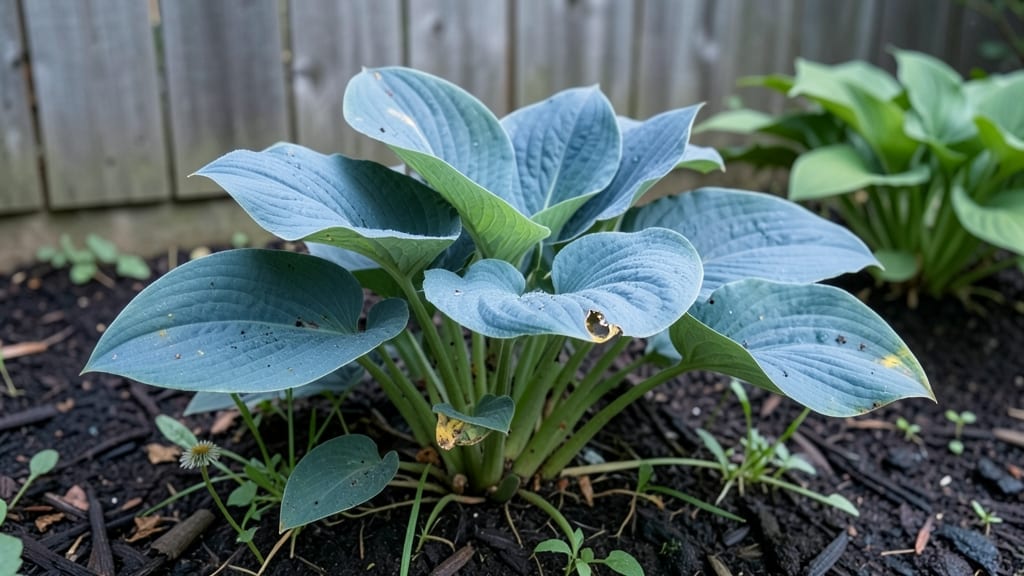
Perennial plants are defined by their ability to regrow, but "every year" isn't guaranteed. 💫 The key is understanding their natural cycles—some, like peonies, go dormant in winter but survive underground, while others, such as tender perennials, may not recover from extreme cold.
Cold-hardy varieties (like coneflowers) thrive in zones 3-7, but even they need proper soil and mulching to make it through harsh winters. I've seen gardeners extend perennial life by adding compost and insulating roots with straw—simple tweaks that make a big difference.
What trips up many gardeners is assuming all perennials are equal. For example, hostas return reliably in zone 4, but cannas (often labeled perennials) act more like annuals in cold areas—they won't survive without protection.
The trick is matching plants to your climate zone and giving them the right winter care. A little prep in fall can mean the difference between a blank garden spot and a lush comeback next spring.
💡 In This Article
- How Cold Climates Affect Perennial Plant Survival
- Choosing Perennials That Thrive Year After Year
How cold climates affect perennial plant survival
Here's what's actually happening underground during winter: true perennials enter a state of dormancy where growth slows dramatically to conserve energy. Their roots and crowns (the thickened base where stems meet roots) become storage organs packed with starches that fuel regrowth.
For example, peonies can store enough energy in their massive roots to survive 20°F temperatures—far colder than most gardeners realize. The key factor is the plant's hardiness zone rating, which predicts its survival threshold based on average winter lows.
The science behind this involves specialized cells that produce antifreeze proteins, similar to those in cold-hardy fish.
These proteins lower the freezing point of water in plant tissues, preventing ice crystal formation that would rupture cell walls. 🌱 However, when temperatures drop below a plant's tolerance—like -10°F for many perennials—these protective mechanisms fail.
That's why you might see hostas return in zone 4 but not in zone 3 without mulch. The difference comes down to how deep the cold penetrates: bare soil can reach 15-20°F colder than air temperatures.
What most people don't realize is that soil moisture plays a critical role. Wet soil conducts cold more efficiently, while dry soil acts as an insulator.
This is why gardeners in cold climates often use 4-6 inches of straw mulch—it creates an insulating air pocket that can raise soil temperatures by 5-10°F.
The texture matters too: coarse mulches like wood chips allow moisture to drain while retaining warmth, whereas fine mulches can compact and reduce insulation.
I've seen cannas (often mislabeled as perennials) survive winters in zone 7 with 12 inches of leaves piled over their crowns, while the same plants die back in zone 6 without protection.
There's also the concept of "cold acclimation," where perennials gradually adjust to winter conditions over weeks. This is why late fall frosts are often less damaging than sudden freezes. Plants like coneflowers develop thicker cell walls and higher sugar concentrations in their tissues as temperatures drop, acting like natural antifreeze.
But when winter arrives unexpectedly early or stays unseasonably warm before plunging, these adaptations aren't fully developed—leading to winterkill even in supposedly hardy species.
The hardiness zone system explains why some perennials thrive where others fail. Zone 3 plants (like Siberian bugloss) handle -40°F winters, while zone 7 plants (like butterfly bush) struggle below 0°F.
The transition zones (like 4b) are where gardeners see the most variability—some years plants return, others they don't. This inconsistency is why many gardeners in marginal zones treat perennials more like annuals, replacing them every few years despite their technical classification.
Consider these biological realities when selecting plants: the most reliable perennials for cold climates are those with thick, fleshy roots (like peonies) or extensive underground rhizomes (like daylilies). These structures store more energy and water, giving them a survival advantage.
Tender perennials, meanwhile, often have shallow root systems that freeze solid in winter—a classic case of form following function. 💫